 Save
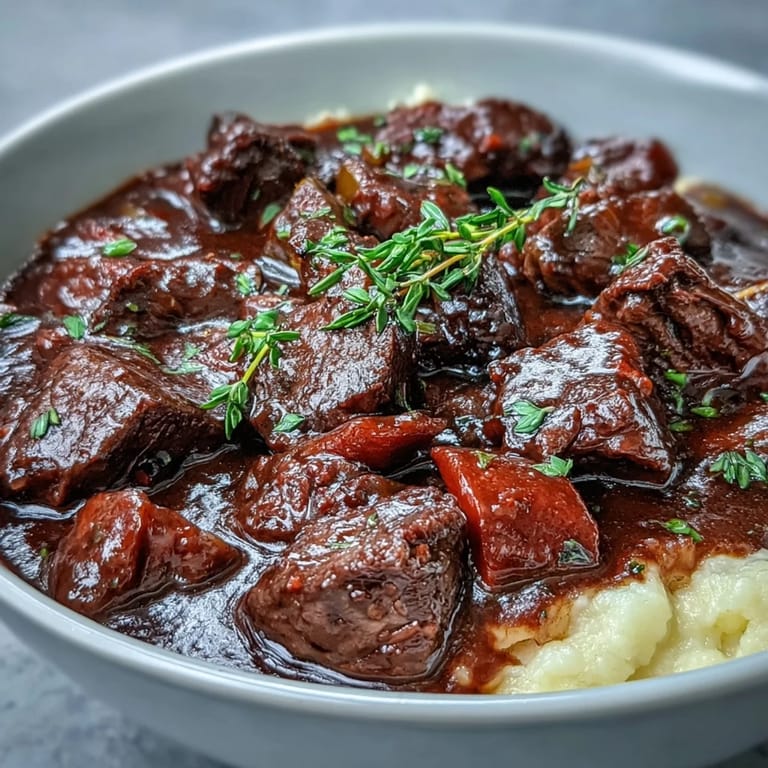
Save My neighbor brought me a bottle of homemade sloe gin one October, deep purple and slightly sweet, and I had no idea what to do with it. I'd been given venison from a friend's hunt that same week, dark and lean, sitting in my freezer wrapped in butcher paper. On a cold Sunday afternoon, I decided to throw them together in a pot with whatever vegetables I had on hand. The kitchen filled with this fruity, earthy smell that made me realize I'd stumbled onto something worth repeating.
I made this for a small dinner party once, and everyone went quiet after the first bite. One friend, who usually talks nonstop, just pointed at her bowl and nodded. The venison had braised for over two hours, and the meat fell apart under the fork. I served it in wide, shallow bowls with the polenta underneath, and we finished two bottles of red wine without realizing it. It's the kind of meal that makes people linger at the table.
Ingredients
- Venison shoulder or stewing venison (800 g): Look for well-marbled pieces if possible, venison can dry out if it's too lean, but slow braising in liquid keeps it moist and tender.
- Olive oil (2 tbsp): Use this to brown the meat in batches, don't crowd the pan or the venison will steam instead of caramelize.
- Onion, carrots, celery: The classic base for building flavor, I chop them roughly so they hold their shape during the long simmer.
- Garlic (2 cloves): Minced and added just before the tomato paste so it doesn't burn.
- Tomato paste (2 tbsp): This deepens the color and adds a savory backbone to the sauce.
- Sloe gin (150 ml): The heart of this recipe, it brings berry sweetness and a floral note that balances the gamey meat.
- Beef or game stock (400 ml): Homemade is lovely, but a good quality store-bought works just fine.
- Redcurrant jelly (1 tbsp): A traditional British trick for adding a glossy finish and gentle tartness.
- Bay leaves, thyme, juniper berries: These aromatics make the stew smell like a forest walk, earthy and warm.
- Polenta (150 g): Quick-cooking polenta saves time, but traditional polenta has a better texture if you can stir it for longer.
- Butter and Parmesan: Stirred in at the end, they turn plain polenta into something silky and indulgent.
Tired of Takeout? 🥡
Get 10 meals you can make faster than delivery arrives. Seriously.
One email. No spam. Unsubscribe anytime.
Instructions
- Brown the venison:
- Heat olive oil in a heavy casserole over medium-high heat and sear the venison cubes in batches until deeply browned on all sides. Don't rush this step, the caramelization adds serious flavor to the final stew.
- Soften the vegetables:
- Add the onion, carrots, and celery to the same pan, scraping up any browned bits stuck to the bottom. Cook for 5 to 7 minutes until the onion turns translucent, then stir in the garlic and tomato paste for another minute.
- Deglaze with sloe gin:
- Return the venison to the pot and pour in the sloe gin, letting it bubble and reduce for about 2 minutes. The alcohol will cook off, leaving behind a sweet, fruity depth.
- Add stock and aromatics:
- Pour in the stock, then stir in the redcurrant jelly, bay leaves, thyme, and crushed juniper berries. Season generously with salt and pepper.
- Simmer low and slow:
- Bring everything to a gentle simmer, cover the pot, and reduce the heat to low. Let it cook for 2 hours, stirring occasionally, until the venison is fork-tender and the sauce has thickened.
- Make the polenta:
- About 20 minutes before serving, heat the milk and water in a saucepan until just simmering. Gradually whisk in the polenta and cook over low heat, stirring constantly, for 5 to 10 minutes until thick and creamy.
- Finish the polenta:
- Stir in the butter and Parmesan, then season with salt. It should be smooth and pourable, not stiff.
- Serve:
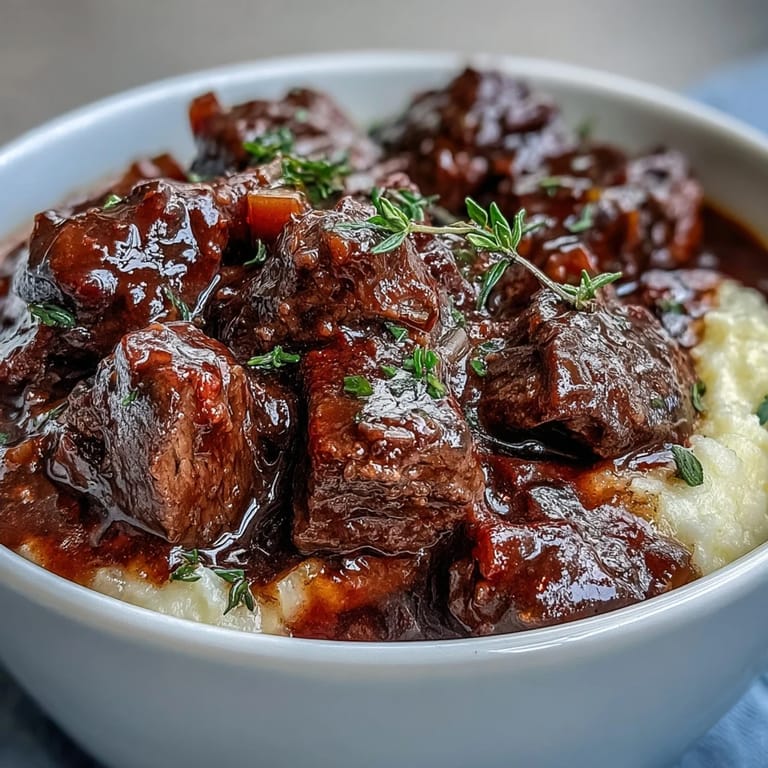
- Remove the bay leaves and thyme sprigs from the stew. Spoon the polenta into wide bowls and ladle the venison stew over the top.
 Save
Save The first time I made this, I served it on a night when snow was starting to stick to the windows. My partner came into the kitchen, looked into the pot, and said it smelled like Christmas. We ate it slowly, with thick slices of bread to mop up the sauce, and I realized this was the kind of recipe I'd make every winter from now on. It's become one of those dishes that marks the season for us.
What to Do If You Can't Find Sloe Gin
Sloe gin isn't always easy to track down, especially outside the UK. I've used a good port in its place with excellent results, it adds sweetness and body without the berry notes but still works beautifully. You could also try a berry liqueur like cassis or even a splash of red wine mixed with a teaspoon of blackberry jam. The goal is to balance the gamey venison with something fruity and slightly sweet, so don't be afraid to improvise.
How to Store and Reheat Leftovers
This stew tastes even better the next day after the flavors have had time to meld. I store it in an airtight container in the fridge for up to three days, and it reheats gently on the stovetop with a splash of stock to loosen the sauce. The polenta, on the other hand, thickens as it cools, so I usually make it fresh when I'm ready to eat. If you do have leftover polenta, you can slice it, pan-fry it in butter, and serve the stew on top of crispy polenta cakes.
Pairing and Serving Suggestions
This dish begs for a bold red wine, something with enough weight to match the richness of the stew. I've served it with Shiraz, Malbec, and a northern Rhone Syrah, all of them worked beautifully. A simple green salad with a sharp vinaigrette cuts through the richness, and crusty bread is non-negotiable for mopping up every last bit of sauce.
- Garnish with fresh parsley or a few thyme leaves for a pop of color.
- Serve with roasted root vegetables if you want to make it a bigger spread.
- Leftovers freeze well for up to two months, just thaw overnight and reheat gently.
 Save
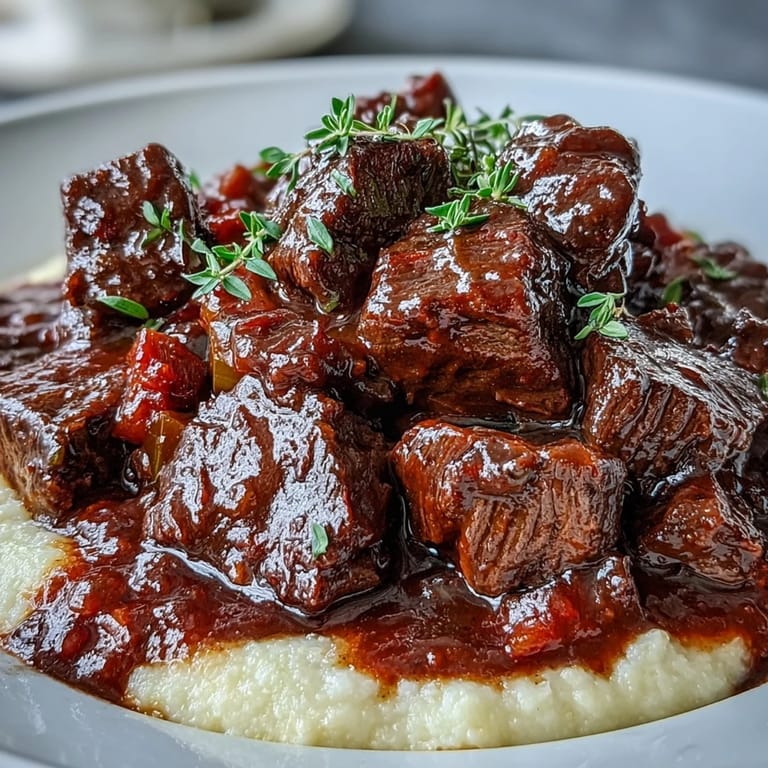
Save This is the kind of meal that makes your kitchen smell like a cozy pub in the countryside. I hope it becomes one of your cold-weather favorites, too.
Recipe FAQs
- → Can I substitute sloe gin with another ingredient?
Yes, you can substitute sloe gin with a good-quality port, berry liqueur, or red wine. These alternatives will provide similar depth and richness to the stew while complementing the venison beautifully.
- → What cut of venison works best for this stew?
Venison shoulder or stewing venison is ideal as these cuts become tender and flavorful during the slow braising process. The meat should be cut into 3 cm cubes for even cooking.
- → How do I prevent the polenta from becoming lumpy?
Gradually whisk the polenta into simmering liquid while stirring constantly. Use a steady stream and keep whisking throughout the cooking process to ensure a smooth, creamy consistency without lumps.
- → Can I make this stew ahead of time?
Yes, the stew actually improves in flavor when made ahead. Cook it completely, let it cool, and refrigerate for up to 3 days. Reheat gently and prepare fresh polenta just before serving.
- → What makes this dish gluten-free?
Polenta is naturally gluten-free, and venison contains no gluten. Just ensure your stock and any other packaged ingredients are certified gluten-free, as some stocks may contain gluten-based thickeners.
- → What wine pairs best with venison stew?
Robust red wines like Shiraz or Cabernet Sauvignon pair excellently with this dish. Their bold flavors complement the rich, gamey venison and can stand up to the sloe gin and juniper notes.