 Save
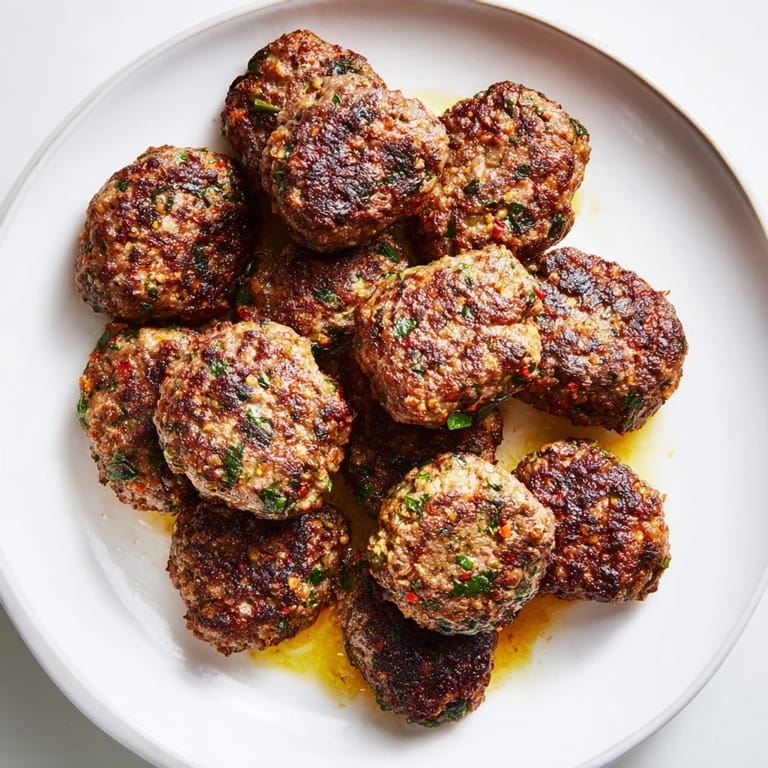
Save There's something magical about the moment when you bite into a köfte and that warm bulgur-meat mixture bursts with herbaceous flavor. I discovered these Turkish meatballs at a neighborhood gathering where someone brought a platter still steaming from the grill, and one taste sent me straight to the kitchen to figure out how to recreate them. What makes them truly special isn't just the meat, but the careful balance of fresh herbs and that unexpected texture from bulgur that keeps them impossibly tender inside while they develop a gorgeous golden crust. Now they're my go-to when I want something that tastes like a proper meal but comes together faster than you'd think.
I remember my friend bringing her grandmother's approach to making these, insisting that damp hands were the secret to getting the shape right without the mixture sticking everywhere. She was absolutely right, and watching her form those perfect ovals with such casual ease while telling stories about family dinners in Istanbul made me understand that these aren't just meatballs, they're a way of bringing people together. That day, we grilled them outdoors on a late summer evening, and everyone came back for seconds before they'd even cooled.
Ingredients
- Ground beef or lamb (500 g): Lamb gives a deeper, slightly gamier flavor that feels more authentic, but beef works beautifully too, or mix them for complexity without overwhelming your palate.
- Fine bulgur (100 g): This acts as both binder and texture agent, absorbing moisture to keep the meatballs tender rather than dense, so don't skip it or substitute with breadcrumbs.
- Onion (1 small, finely grated): Grating rather than mincing releases the juices that keep everything moist and adds a subtle sweetness.
- Garlic (2 cloves, minced): Fresh garlic is non-negotiable here because it becomes almost sweet and mellow when cooked, melting into the meat.
- Fresh parsley and mint (3 tbsp combined): These aren't garnishes, they're the soul of the dish, so use fresh and chop them right before mixing or they'll blacken.
- Cumin and paprika (1 tsp each): Cumin adds earthiness while paprika brings a gentle warmth and a hint of smoke that echoes the grill.
- Black pepper and chili flakes (½ tsp each): The pepper should be freshly cracked for a cleaner bite, and chili flakes are optional but add a pleasant prickle at the end.
- Salt (1 tsp): Taste as you go because the amount depends on how salty your meat is to begin with.
- Egg (1 large): This binds everything without making the texture rubbery, but make sure it's well mixed through.
- Olive oil (2-3 tbsp): Use something you wouldn't be upset tasting directly because it's not just a cooking medium here, it's building flavor.
Tired of Takeout? 🥡
Get 10 meals you can make faster than delivery arrives. Seriously.
One email. No spam. Unsubscribe anytime.
Instructions
- Soften the bulgur first:
- Pour warm water over the bulgur and let it sit for exactly 10 minutes while you prep everything else, stirring once halfway through so it hydrates evenly.
- Combine everything with gentle hands:
- Add the meat, aromatics, and seasonings to the bulgur and use your clean hands to mix until the texture becomes slightly sticky and everything is evenly distributed, which usually takes about 2 minutes of light kneading.
- Shape with damp hands:
- Dampen your hands with cool water and form the mixture into walnut-sized ovals or rounds, rewetting your hands between batches so nothing sticks and you get smooth surfaces.
- Pan-fry for golden crust:
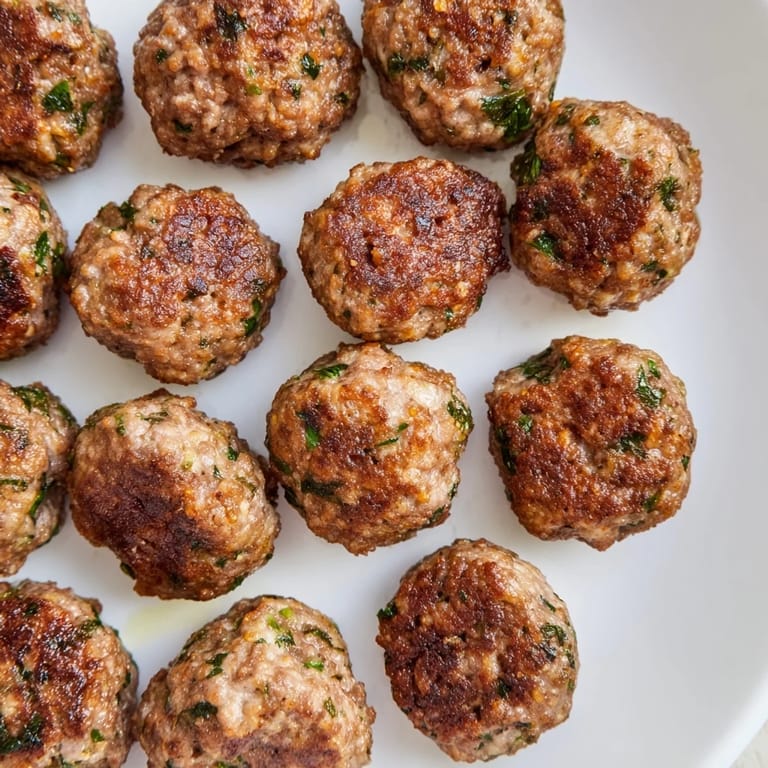
- Heat olive oil in a large skillet over medium heat until it shimmers, then add the meatballs in a single layer without crowding, letting them sit untouched for 3-4 minutes until the bottom is deep golden before flipping.
- Or grill for char:
- Preheat your grill to medium-high and lightly oil the grates, then place meatballs directly on heat, letting them develop those gorgeous dark spots before turning once and finishing on the other side.
- Finish and rest briefly:
- Transfer cooked meatballs to a warm plate and let them rest for a minute so the juices redistribute back into the meat instead of running all over your flatbread.
 Save
Save What struck me most was realizing these köfte became my comfort food in the unexpected way that happens when you cook something enough times. There was one night when I made them for my partner after a long day, just wanting something warm and familiar, and they asked why I didn't make them more often. That question made me understand that food has its own kind of quiet intimacy, especially when it's made with intention and comes together on a table where people actually want to linger.
The Texture Secret
The bulgur is what separates forgettable meatballs from köfte that people actually remember. It hydrates and softens, acting like a sponge that holds all the meat's natural juices in while you cook, keeping the inside almost creamy while the outside crisps up. This is why you see traditional köfte recipes calling for it specifically rather than relying on breadcrumbs, which tend to dry everything out or turn mealy.
Cooking Method Matters
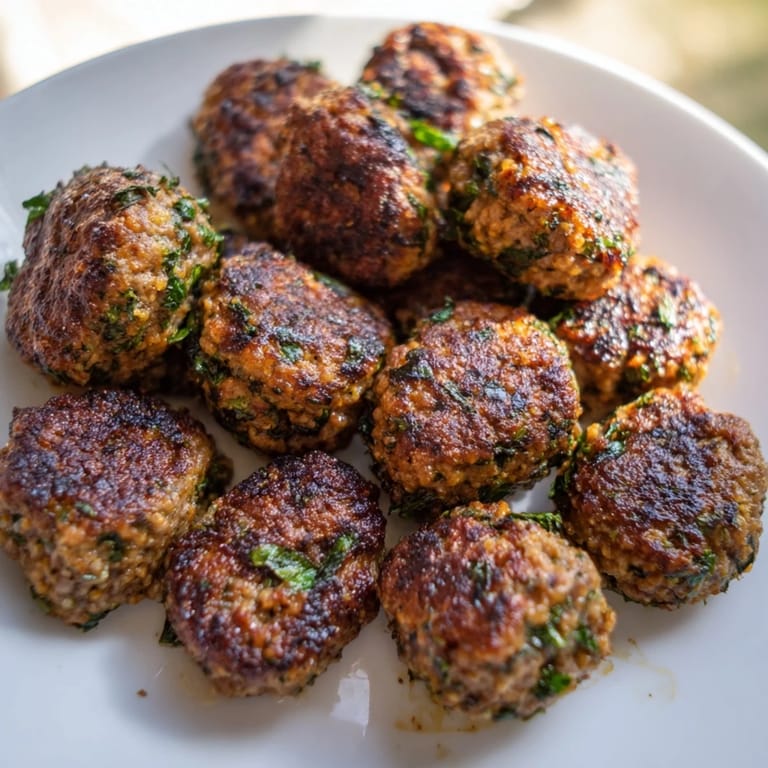
Pan-frying gives you more control and a beautiful, even golden color with less mess, while grilling introduces a subtle char and smoky flavor that tastes like you've gone to some effort. I've found that grilling works best when your meatballs are slightly chilled because they hold their shape better on the grates, and you can do a whole batch at once instead of working in shifts. Pan-frying is forgiving and quicker, so choose based on what your evening calls for rather than stressing about which is more authentic.
Serving and Storing
These shine served hot with fluffy rice, warm flatbread torn into pieces, or alongside a bright tomato and cucumber salad that cuts through the richness. A dollop of garlicky yogurt sauce or even just lemon squeezed over the top transforms them into something that feels special without any extra work. For storage, these keep beautifully in the fridge for three days and reheat well in a skillet with a splash of water to keep them moist, while raw shaped meatballs freeze for up to three months.
- If you want deeper flavor, add a tiny pinch of cinnamon or ground allspice to the meat mixture, which is how some regional versions do it.
- Serve them warm rather than piping hot so the flavors have room to breathe and you can actually taste the herbs.
- Make a double batch and freeze the extras because these become a weeknight hero when you just need something comforting and quick.
 Save
Save These köfte remind me why simple food done well never goes out of style. Make them and you'll understand why they've been a staple across Turkish tables for generations.
Recipe FAQs
- → What type of meat is best for köfte?
Ground beef or lamb, or a combination of both, work best to achieve traditional flavor and texture.
- → How does bulgur affect the texture?
Bulgur softens the mixture, adding slight chewiness and helping bind the meatballs while keeping them tender.
- → Can köfte be grilled instead of pan-fried?
Yes, grilling adds a smoky char and is a popular method, but pan-frying results in a golden crisp crust.
- → What herbs and spices enhance the flavor?
Fresh parsley, mint, cumin, paprika, and optional chili flakes create the aromatic and savory profile typical of Turkish köfte.
- → How should I serve these meatballs for best taste?
Serve hot alongside rice, flatbread, or fresh salad, with optional yogurt sauce or grilled vegetables to complement the flavors.
- → Are there tips for freezing köfte?
Shape the meatballs raw, freeze on a tray, then transfer to a bag; cook directly from frozen when ready.