 Save
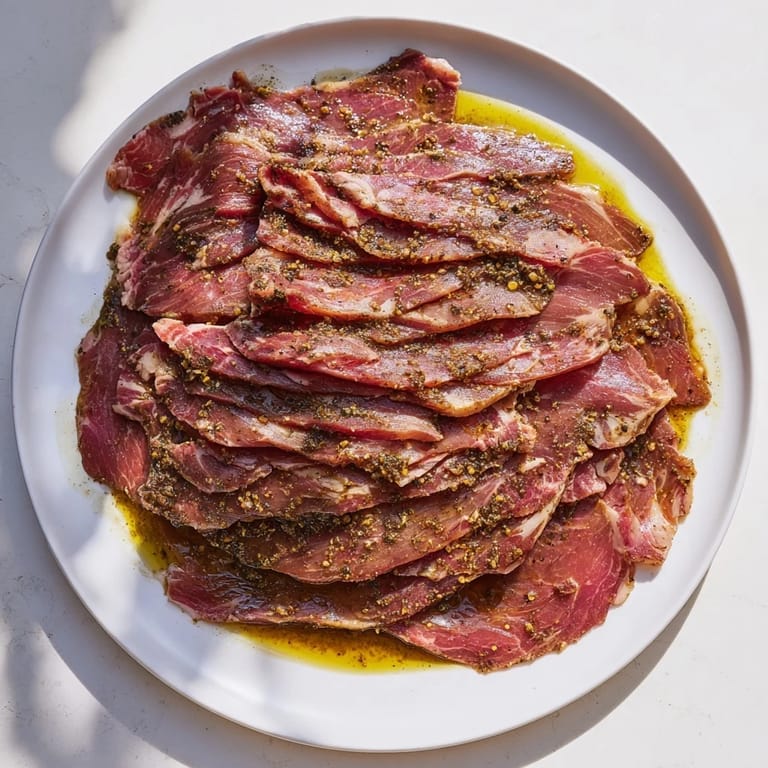
Save The first time I truly understood döner was standing in a tiny kebab shop in Istanbul at midnight, watching the meat spinner rotate hypnotically under heat lamps while the owner carved off paper-thin slices with practiced flicks of his wrist. Years later, I realized I could recreate that magic at home—not the vertical spit, but the layered, spiced meat that tastes like it spent all day spinning. This recipe captures that essence through patient marinating and careful layering, delivering meat so tender it melts on your tongue.
I made this for a dinner party once when someone mentioned they'd been craving döner but couldn't justify the cost of ordering out every week. Watching them take that first bite and close their eyes in recognition—that moment made the overnight marinating worth every second.
Ingredients
- Boneless lamb shoulder or beef sirloin (1 kg, thinly sliced): This is your foundation; ask the butcher to slice it thin or partially freeze it yourself for easier slicing, as the meat needs to layer tightly.
- Lamb fat or beef fat (100 g, thinly sliced, optional): Skip this if you prefer leaner results, but it's what gives authentic döner that rich, glossy finish.
- Plain Greek yogurt (150 g): The secret weapon—it tenderizes while adding subtle tang that deepens the spice flavors.
- Olive oil (3 tbsp): Carries the spices into the meat fibers and keeps everything moist through cooking.
- Garlic (3 cloves, minced): Mince fine so it distributes evenly and doesn't burn on the edges.
- Grated onion with juice squeezed out (1 large): The enzymes in onion help break down muscle fibers; squeeze out excess juice to avoid watery marinade.
- Ground cumin (2 tsp): Warm and earthy, this is the backbone of döner's signature flavor.
- Ground coriander (2 tsp): Adds subtle sweetness and prevents the spices from feeling one-note.
- Sweet paprika (2 tsp): Gives color and gentle warmth without heat.
- Smoked paprika (1 tsp): Mimics the char you'd get from a rotisserie spit.
- Ground black pepper (1 tsp): Toast it yourself if you can—pre-ground loses potency sitting in your cabinet.
- Salt (1 ½ tsp): Seasons deep into the meat during marinating, not just on the surface.
- Ground cinnamon (½ tsp): Just a whisper—it rounds out the spices with warmth and complexity.
- Chili flakes (½ tsp, optional): Add only if you like gentle heat lingering on your lips.
Tired of Takeout? 🥡
Get 10 meals you can make faster than delivery arrives. Seriously.
One email. No spam. Unsubscribe anytime.
Instructions
- Build your marinade base:
- Whisk Greek yogurt, olive oil, minced garlic, grated onion, and all the spices together until it looks like a thick, fragrant paste. This is where patience pays off—let your spoon drag through it and watch the colors blend into deep mahogany streaks.
- Coat the meat completely:
- Add your meat slices and any fat to the marinade, using your hands to massage it in so every surface glistens with the yogurt mixture. This tactile moment matters—you're not just coating, you're beginning the transformation.
- Let time do the work:
- Cover the bowl and refrigerate for at least 4 hours, though overnight is when the real magic happens. The meat will darken slightly and smell so good you'll be tempted to cook it early.
- Preheat and prepare your cooking vessel:
- Heat your oven to 200°C (400°F) if using one. If threading onto skewers, wet your hands first so the meat doesn't stick as you compress each slice tightly, creating a compact, layered tower.
- Build your stack with intention:
- Whether on skewers or in a loaf pan, layer the meat so it's tightly pressed—gaps mean uneven cooking and dry spots. The compression is what helps it hold together as it cooks and shrinks.
- Roast low and slow, then blast with heat:
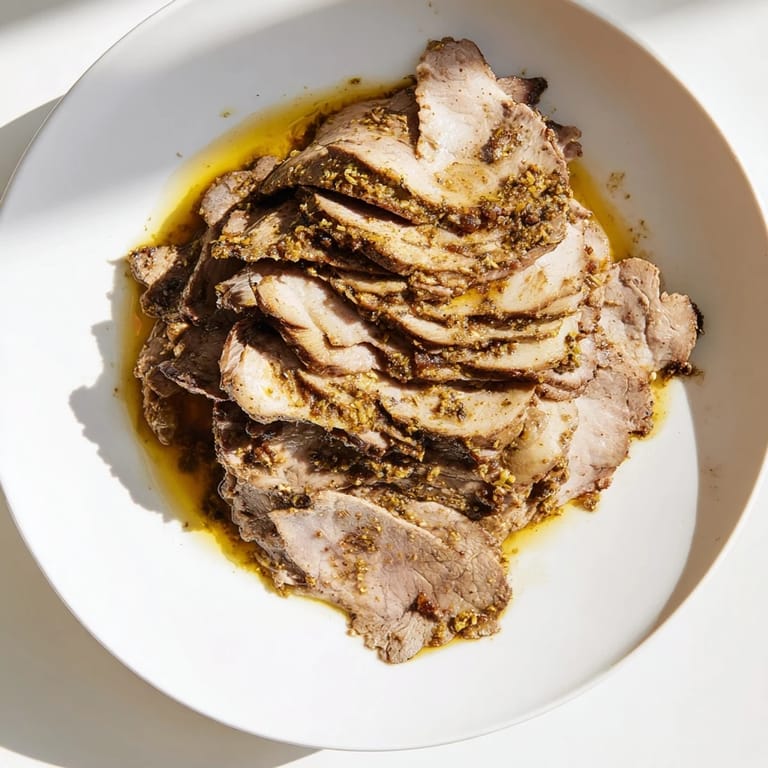
- Roast for 1 hour, basting with pan juices every 20 minutes so the exterior stays glossy and the flavors concentrate. In the final 15 minutes, bump the temperature to 220°C (430°F) for golden-brown edges that crackle slightly when you slice.
- Rest and slice with respect:
- Let the meat rest for 10 minutes—this keeps the juices from running onto your plate. Use your sharpest knife and slice at a slight angle, letting the blade do the work rather than pressing down hard.
 Save
Save My neighbor came over during a cook session and asked why I was making such a fuss over layering meat in a pan. After one taste, he understood—it's the compression and the contact between layers that keeps everything tender, the way they baste each other as they cook. That's when döner stopped being just dinner and became a small lesson in patience.
The Spice Story Behind Döner
Every spice in this marinade earns its place through centuries of Turkish kitchen wisdom. The cumin and coriander are what you smell first, warm and inviting; the paprikas add depth and visual appeal without aggressive heat; the cinnamon is barely there, working in the background to make everything feel rounded and complete. I once made this with only paprika and garlic, thinking less would be better, and the result tasted flat and one-dimensional. The full spice blend is what separates döner from simple roasted meat.
Why the Yogurt Marinade Matters
Yogurt isn't just flavor—it's a tenderizer. The lactic acid and enzymes in Greek yogurt gently break down the protein structure, making even tougher cuts yield to the gentlest bite. I discovered this by accident when I used sour cream instead and noticed the difference immediately; the meat stayed slightly firmer, less yielding. Greek yogurt is thicker than regular yogurt, which means it clings to the meat better during that long marinade, delivering consistent tenderness throughout.
Serving and Storage Secrets
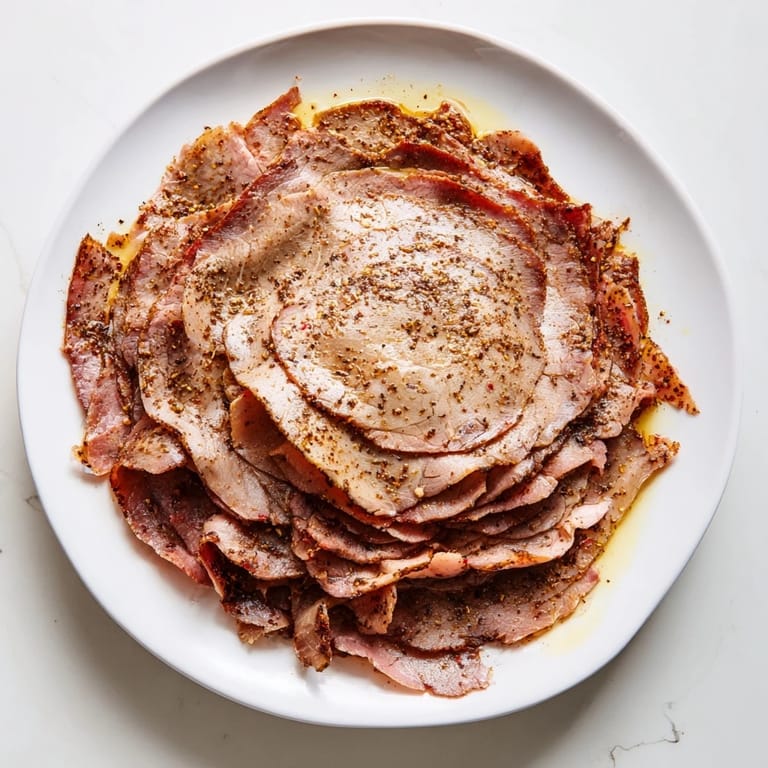
Serve this while it's still warm, nestled into pita bread with cool, crisp toppings—the temperature contrast is part of the pleasure. Leftover döner keeps beautifully in the fridge for three days, and reheates perfectly in a low oven, emerging almost as good as fresh. I've also shredded cold leftovers and tossed them into grain bowls for lazy lunches.
- Warm your flatbread directly over a gas flame or in a hot pan for just ten seconds per side to add a soft char that echoes the spit-roasted flavor.
- Mix your yogurt sauce with grated garlic and a squeeze of lemon instead of plain—it cuts through the richness beautifully.
- Set out all your toppings in small bowls and let people build their own, which always feels more celebratory than plating it yourself.
 Save
Save There's something deeply satisfying about making döner at home—it feels like a small act of defiance against convenience, a choice to spend time on something that matters. The smell alone is worth it.
Recipe FAQs
- → What type of meat works best for Turkish döner?
Boneless lamb shoulder or beef sirloin, thinly sliced, provide ideal tenderness and flavor for this preparation.
- → How long should the marinade rest before cooking?
Marinate the meat for at least 4 hours, preferably overnight, to allow the spices and yogurt to deeply penetrate.
- → Can this dish be cooked without a vertical spit?
Yes, layering the marinated meat tightly on skewers or in a loaf pan and roasting in the oven achieves similar results.
- → What spices are essential in the marinade?
Cumin, coriander, sweet and smoked paprika, black pepper, salt, cinnamon, and optional chili flakes create the signature flavor.
- → How should the cooked meat be served?
After resting, slice the meat paper-thin and serve with warm flatbreads, fresh vegetables, and sauces like yogurt or garlic sauce.
- → Are there any common allergens to note?
This dish contains dairy from the yogurt; check accompanying bread or sauces for gluten or milk allergens.