 Save
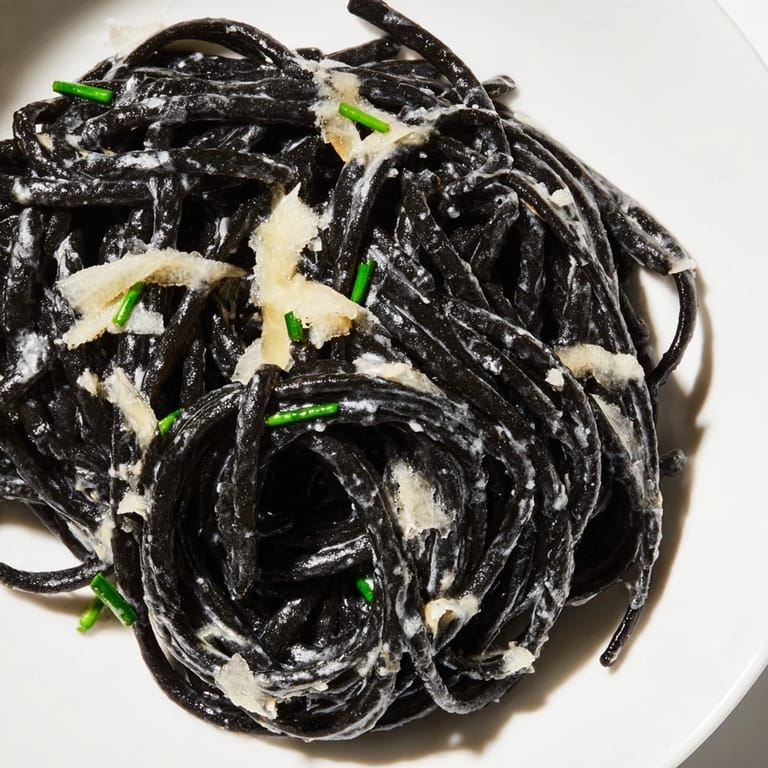
Save The first plate of squid ink pasta I ever made turned my kitchen counter into what looked like a crime scene. My hands were black, the cutting board was stained, and I had somehow managed to smear ink on my forehead. But when I twirled that first forkful and tasted the briny sweetness against the cream, I didn't care one bit. That dramatic black tangle on a white plate became my secret weapon for nights when I wanted dinner to feel like an event.
I learned to make this the week before my sister's birthday dinner, when she mentioned wanting something that felt fancy without the fuss. She walked into my dining room, saw those glossy black noodles coiled on her plate, and actually gasped. We ate slowly that night, savoring each bite and laughing about how something so simple could feel so indulgent. Now she requests it every year, and I never say no.
Ingredients
- Squid ink pasta: The star of the show, this pasta brings a subtle briny flavor and that stunning inky color that makes everyone at the table pause before digging in.
- Unsalted butter: I always use unsalted so I can control the seasoning, and it creates the silkiest base for building the sauce.
- Shallot: Milder and slightly sweeter than onion, it melts into the sauce without overpowering the delicate squid ink.
- Garlic: Just enough to add warmth and depth without competing with the ocean notes in the pasta.
- Dry white wine: It cuts through the richness of the cream and adds a bright acidity that keeps each bite interesting.
- Heavy cream: This is what transforms the dish into something luxurious, coating every strand in velvety richness.
- Lemon zest: A little secret that wakes up the whole dish, adding a citrus brightness that balances the cream.
- Salt and black pepper: Simple but essential for bringing all the flavors into focus.
- Parmigiano-Reggiano: Freshly grated is the only way to go, it melts into the hot pasta and adds that nutty, salty finish.
- Chives: Their mild onion flavor and pop of green against the black pasta make the plate look as good as it tastes.
- Lemon wedges: Optional but wonderful for anyone who wants an extra squeeze of brightness at the table.
Tired of Takeout? 🥡
Get 10 meals you can make faster than delivery arrives. Seriously.
One email. No spam. Unsubscribe anytime.
Instructions
- Cook the pasta:
- Bring a large pot of generously salted water to a rolling boil and cook the squid ink pasta until it still has a slight bite. Don't forget to scoop out half a cup of that starchy pasta water before you drain, it's liquid gold for adjusting the sauce later.
- Start the sauce base:
- While the pasta bubbles away, melt butter in a large skillet over medium heat and add the finely chopped shallot, letting it soften and turn translucent for a few minutes. The kitchen will start smelling sweet and inviting, that's your cue to add the garlic.
- Add garlic:
- Toss in the minced garlic and stir for just 30 seconds until it releases that unmistakable fragrance. Any longer and it risks turning bitter, so keep your wooden spoon moving.
- Deglaze with wine:
- Pour in the white wine and let it simmer, scraping up any flavorful bits from the bottom of the pan as the alcohol evaporates. You'll notice the liquid reduce and the raw wine smell mellow into something more refined after a few minutes.
- Build the cream sauce:
- Lower the heat and stir in the heavy cream and lemon zest, letting it all simmer gently until it thickens just enough to coat the back of a spoon. Season with salt and pepper, tasting as you go because the pasta water and cheese will add more later.
- Combine pasta and sauce:
- Add the drained pasta directly to the skillet and toss everything together, adding splashes of reserved pasta water if the sauce feels too thick. You want it glossy and clingy, hugging each strand without pooling at the bottom of the bowl.
- Serve:
- Take the skillet off the heat and plate immediately, topping each serving with a generous handful of grated Parmigiano-Reggiano, a sprinkle of chives, and a lemon wedge on the side. The contrast of textures and colors is half the magic.
 Save
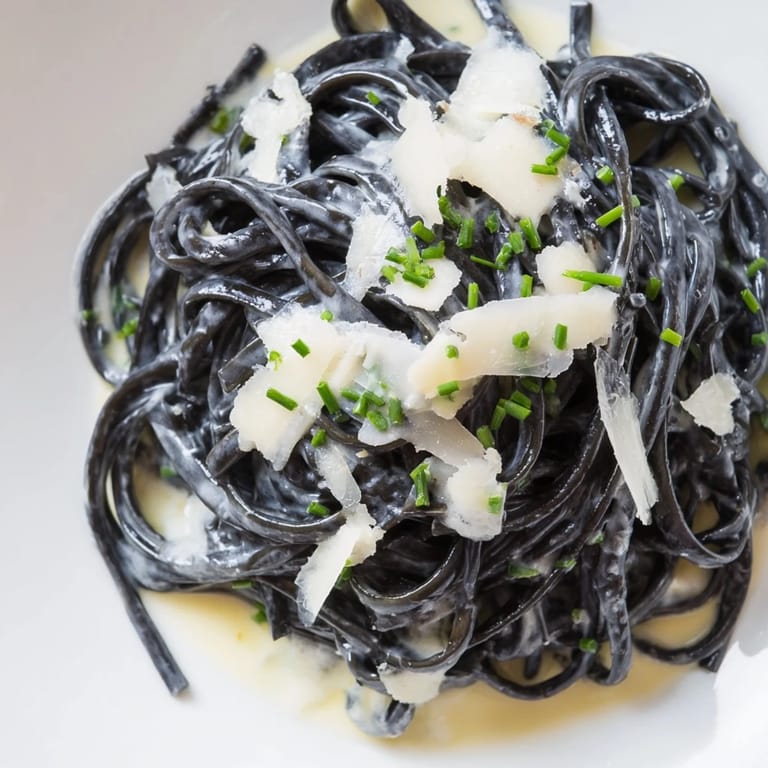
Save There was a rainy Saturday evening when I made this for myself, no guests, no occasion, just me and a glass of wine. I lit a candle, put on some jazz, and ate slowly at my little kitchen table. That's when I realized this dish doesn't need a celebration to justify it, sometimes it is the celebration. It reminded me that cooking something beautiful for yourself is a quiet act of love.
Making It Your Own
If you want to lean into the seafood element, toss in some sautéed shrimp or tender calamari rings just before you add the pasta. I've also stirred in a pinch of red pepper flakes when I wanted a gentle kick of heat, and it played beautifully against the cream. Sometimes I swap the chives for fresh parsley when that's what I have, and honestly, no one has ever complained.
What to Serve Alongside
I usually keep the sides simple since the pasta is already so rich and dramatic. A crisp arugula salad with lemon vinaigrette cuts through the cream perfectly, and a warm baguette for mopping up any sauce left on the plate is non-negotiable. A chilled Pinot Grigio or Vermentino makes the whole meal feel like you're dining on the Italian coast, even if you're just in your kitchen on a weeknight.
Storage and Reheating
This dish is best enjoyed fresh, but if you have leftovers, store them in an airtight container in the fridge for up to two days. Reheat gently in a skillet over low heat, adding a splash of cream or milk to bring the sauce back to life. The pasta may soften a bit, but the flavor will still be there, rich and comforting.
- Add a little extra pasta water or cream when reheating to restore the silky texture.
- Taste and adjust seasoning after reheating, flavors can dull when chilled.
- If the sauce separates, a quick whisk over low heat usually brings it back together.
 Save
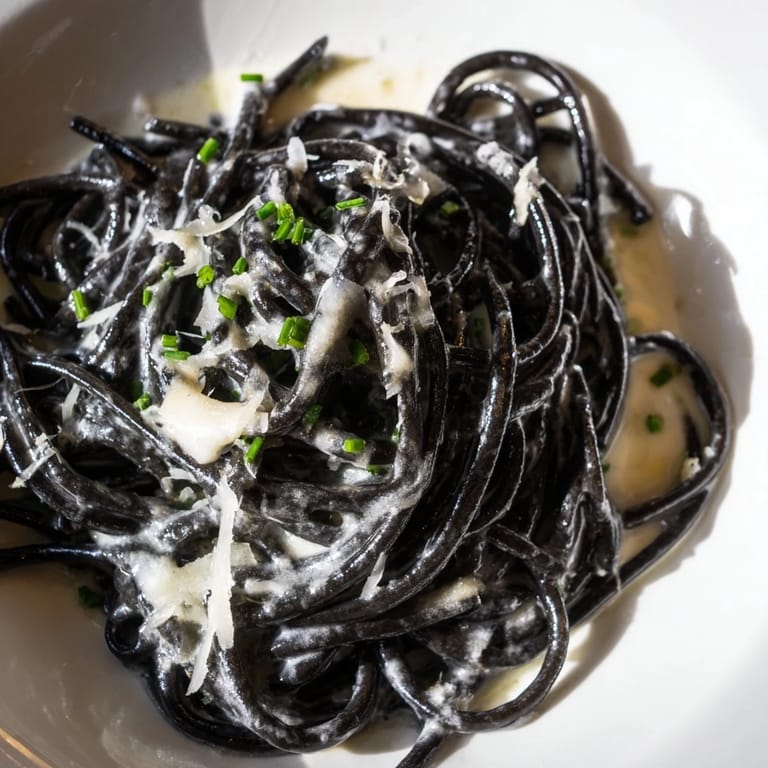
Save This is the kind of dish that makes you feel like you've pulled off something special, even when it's easier than you'd think. I hope it brings you as much joy as it's brought me, one glossy, dramatic forkful at a time.
Recipe FAQs
- → Can I use fresh squid ink pasta instead of dried?
Yes, fresh squid ink pasta works wonderfully. Reduce cooking time to 3-4 minutes as fresh pasta cooks faster than dried. Check for doneness by tasting a strand—it should be tender but still slightly firm.
- → What if the cream sauce breaks or separates?
Remove from heat immediately and whisk in a splash of cold pasta water to help bring it back together. Keep heat low when simmering cream to prevent breaking. Adding lemon zest helps stabilize the sauce naturally.
- → How do I achieve the silky, glossy consistency?
Toss the drained pasta directly into the warm sauce and gently stir to coat. If too thick, gradually add reserved pasta water one tablespoon at a time. The starch in pasta water emulsifies the sauce beautifully.
- → Are there shellfish concerns with squid ink pasta?
Squid ink can contain shellfish allergens. Always check the pasta package for allergen warnings and source information. Those with shellfish allergies should verify safety with manufacturers before purchasing.
- → What wine pairs best with this dish?
A crisp Italian white wine like Pinot Grigio complements the rich cream and briny squid ink beautifully. The acidity cuts through the richness while enhancing the lemon and garlic notes.
- → Can I add proteins to this dish?
Absolutely. Sautéed shrimp or calamari work wonderfully stirred into the sauce. Cook seafood separately first, then fold in just before serving to maintain texture and prevent overcooking.