 Save
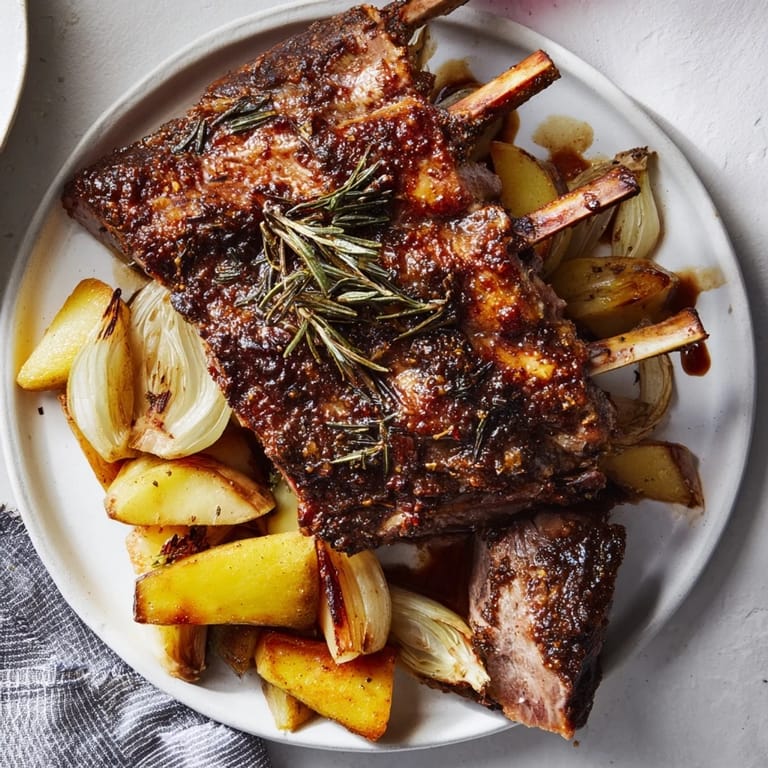
Save The smell hit me before I even opened the oven door—rosemary, red wine, and something deeply savory that made my mouth water instantly. I was testing this lamb shank recipe on a cold Sunday afternoon, half-convinced I'd ruin expensive meat. But when I lifted the lid and saw the bronze, glistening shanks nestled in their pool of dark sauce, I knew I'd stumbled onto something special. My neighbor knocked on the door an hour later asking what smelled so incredible.
I made this for my first proper dinner party three years ago, terrified I'd serve undercooked lamb to eight people. I checked the pot every forty minutes like a nervous parent. When I finally brought the platter to the table, my friend Maria—who grew up in Crete—closed her eyes after the first bite and said it reminded her of her grandmother's kitchen. That moment made all the anxious pot-checking worth it.
Ingredients
- Lamb shanks: Choose shanks that feel heavy for their size with a deep red color, and ask your butcher to trim excess fat so you are not skimming gallons of grease later
- Carrots and celery: Cut them into big chunks because they will cook for hours and small pieces turn to mush, plus they soak up all that winey, herby flavor
- Onion: I slice mine thick so the layers stay intact and sweet as they braise, adding a silky texture to the sauce
- Garlic: Smash the cloves with the flat of your knife to release their oils without burning them during the sear
- Fresh rosemary and thyme: Do not skip fresh herbs here, dried ones taste dusty next to the bright, piney punch of fresh sprigs tucked around the meat
- Red wine: Use something you would actually drink, not cooking wine from a dusty bottle, because its flavor concentrates and becomes the soul of the sauce
- Stock: Good beef or lamb stock adds body and richness, and if you are gluten-free, just check the label to be safe
- Olive oil: You only need enough to sear the meat, so do not drown the pot, just a thin glisten on the bottom
- Salt and pepper: Season the shanks like you mean it before searing, because that crust holds so much flavor
Tired of Takeout? 🥡
Get 10 meals you can make faster than delivery arrives. Seriously.
One email. No spam. Unsubscribe anytime.
Instructions
- Preheat and prep:
- Get your oven to 160°C (320°F) and pat those lamb shanks completely dry with paper towels, because wet meat steams instead of searing. Season them all over with salt and pepper, using more than feels polite.
- Sear the lamb:
- Heat olive oil in your Dutch oven over medium-high heat until it shimmers, then lay the shanks in gently and let them sizzle undisturbed for about 2 minutes per side until deeply browned. Do not rush this step, that caramelized crust is pure flavor.
- Sauté the vegetables:
- Pull out the shanks and toss in your onions, carrots, celery, and garlic, stirring them around in all those meaty drippings for 4 to 5 minutes. They should soften and start to smell sweet and fragrant.
- Build the braise:
- Nestle the lamb shanks back into the pot and tuck the rosemary, thyme, and bay leaves around them like a fragrant blanket. Pour in the wine and stock, then bring everything to a gentle simmer, scraping up any sticky brown bits from the bottom with a wooden spoon.
- Slow roast:
- Cover the pot tightly with its lid or a double layer of foil, slide it into the oven, and let it work its magic for 2 and a half to 3 hours, flipping the shanks once halfway through. You will know it is ready when the meat jiggles and practically falls off the bone.
- Finish the sauce:
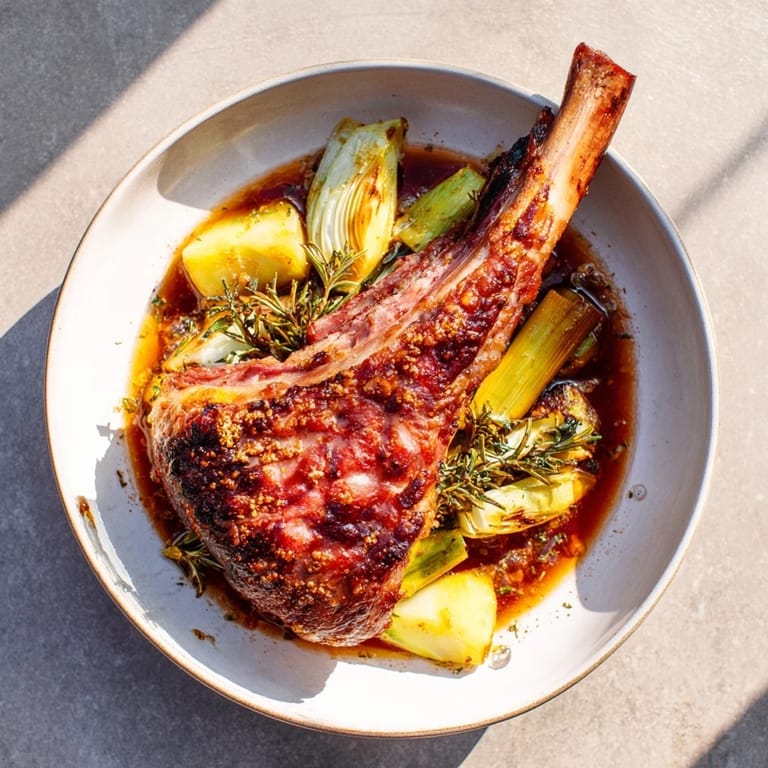
- Carefully transfer the lamb and vegetables to a serving platter, then skim off any fat floating on top of the sauce. If the sauce seems thin, simmer it on the stovetop for a few minutes until it coats the back of a spoon, then ladle it generously over the meat.
 Save
Save The first time I served this at a holiday dinner, my uncle—who normally eats in silence—looked up mid-bite and asked for the recipe. My aunt laughed and said he never asks for recipes. I wrote it down on a napkin for him, and now he makes it every Christmas Eve. Food has this way of becoming a language when words are not enough.
Serving Suggestions
I always serve these shanks over a cloud of creamy mashed potatoes or soft polenta, because you need something to soak up every drop of that incredible sauce. A simple green salad with lemon vinaigrette cuts through the richness perfectly, and crusty bread for mopping up any last bits is non-negotiable at my table.
Make-Ahead Magic
This is one of those rare dishes that actually gets better when you make it a day ahead and let it sit in the fridge overnight. The flavors deepen and marry, and reheating it gently on the stovetop or in a low oven brings everything back to life. I have served day-old lamb shanks to guests who swore they were fresher than fresh.
Flavor Twists and Extras
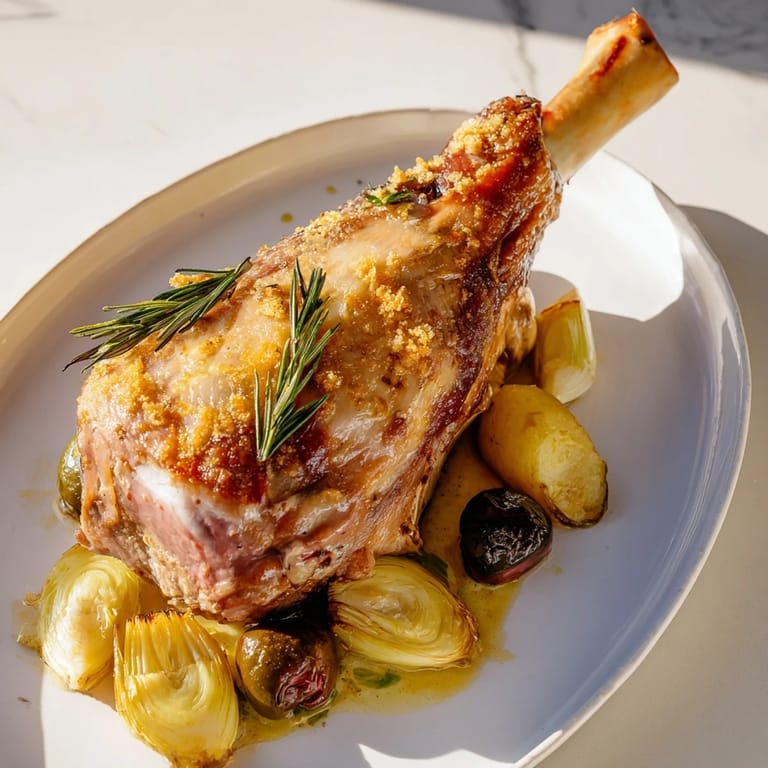
Sometimes I tuck a wide strip of orange zest into the braising liquid for a subtle citrus brightness that plays beautifully with the rosemary. A splash of balsamic vinegar in the last 30 minutes adds a sweet-tart complexity that makes people wonder what your secret is. You can also throw in a handful of pitted olives or a spoonful of tomato paste if you want a richer, more robust sauce.
- Try adding a cinnamon stick for a warm, almost Moroccan vibe
- Swap thyme for oregano if you want a more rustic, Greek-style flavor
- Finish with a sprinkle of fresh parsley or a drizzle of good olive oil just before serving
 Save
Save There is something deeply satisfying about pulling a pot of lamb shanks from the oven and watching everyone lean in as you lift the lid. It is the kind of dish that turns a regular evening into a memory.
Recipe FAQs
- → How long should I cook the lamb shanks?
Roast the lamb shanks for 2½ to 3 hours until the meat is tender and easily falls from the bone.
- → Can I prepare this dish ahead of time?
Yes, cooking it a day ahead enhances the flavors, making the dish even more delicious when reheated.
- → What side dishes complement slow-roasted lamb shanks?
Creamy mashed potatoes or polenta are classic pairings that balance the rich, savory meat.
- → Is it important to sear the lamb shanks before roasting?
Searing locks in juices and creates a deeper, savory flavor by browning the exterior before slow cooking.
- → Can I substitute the red wine in the braising liquid?
Yes, you can replace red wine with additional stock or a non-alcoholic red grape juice for a different flavor profile.