 Save
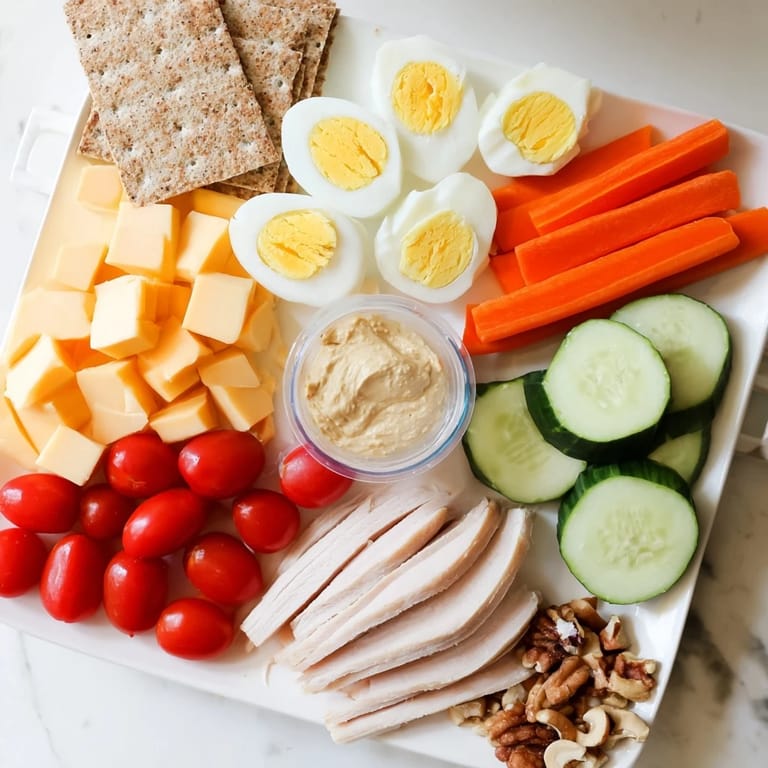
Save There's something genuinely satisfying about opening your lunchbox to find something you actually want to eat. I stopped making the same sad salads in a jar and started throwing together these protein snack boxes one Sunday afternoon, mostly out of desperation and a TikTok rabbit hole at midnight. The appeal was immediate—no cooking required, endlessly customizable, and they made me actually excited about lunch for once. What started as meal prep chaos turned into this simple ritual of dividing containers, arranging toppings like I was plating at a restaurant, and sealing them up knowing I'd eat well all week. These boxes have become my answer to the eternal question of what to bring to work.
My coworker watched me open one of these at my desk and asked where I bought it, genuinely convinced it came from some fancy prepared foods section. That small moment—the look on her face when I explained I'd made four of them in less than twenty minutes—somehow made the whole thing feel worth it. Now half the office asks what I'm eating, and I've converted at least three people into snack box devotees.
Ingredients
- Cooked chicken breast, sliced (8 oz): The foundation protein that stays tender if you slice it while it's barely cool, and it absorbs flavors without becoming rubbery.
- Hard-boiled eggs, halved (4): Boil them the night before and peel under cool running water—the shell slides right off and you get perfect protein that needs nothing.
- Sliced turkey or ham (4 oz): Quality matters here; ask the deli counter to slice it fresh rather than grabbing the packaged version that tastes like the package.
- Cheddar cheese, cubed (4 oz): Sharp cheddar holds its flavor and texture better than mild, and the cubes don't crumble like shreds would in a box.
- Cherry tomatoes (1 cup): Leave them whole; halving them releases juice that makes everything around them soggy.
- Cucumber slices (1 cup): Slice them thick enough to have substance, and pat them dry before packing to keep the box from getting watery.
- Baby carrots (1 cup): Raw and reliable; they're the one thing that tastes good days later without losing texture.
- Apple slices (1): Toss with lemon juice immediately—not just for looks, but it genuinely prevents browning and adds brightness.
- Hummus (1/2 cup): Divide into four small containers so it doesn't touch and soften everything else in the box.
- Whole-grain crackers (16): Keep these separate from the dips until you eat; they're your textural anchor and they get instantly soft if packed together.
- Mixed nuts (1/4 cup): Measure them out by the tablespoon so you don't accidentally dump them all in the first box.
Tired of Takeout? 🥡
Get 10 meals you can make faster than delivery arrives. Seriously.
One email. No spam. Unsubscribe anytime.
Instructions
- Set up your station:
- Line up four containers on your counter like you're running a small production line; this rhythm makes assembly faster and keeps you from forgetting components.
- Distribute the proteins:
- Divide the chicken, turkey, eggs, and cheese evenly among boxes, keeping each protein separate so flavors don't blend before eating. A small ice cream scoop helps portion exactly.
- Add fresh vegetables and fruit:
- Place tomatoes, cucumbers, carrots, and apple slices in the larger compartments, keeping wet ingredients away from crackers and dips. The apple slices should go in last so they don't brown while you're still assembling.
- Portion the hummus:
- Spoon hummus into four small lidded containers or compartments, nestling them carefully so they stay upright and sealed. If your containers have built-in dip compartments, use those instead.
- Add the crunch:
- Place four crackers and one tablespoon of nuts in each box, positioning them where they won't get crushed by the other components. This is the secret to keeping everything textured and intentional.
- Seal and refrigerate:
- Close everything up, label with the date if you're feeling organized, and refrigerate immediately. They'll keep beautifully for three to four days, and grabbing one on your way out feels like winning a small morning victory.
 Save
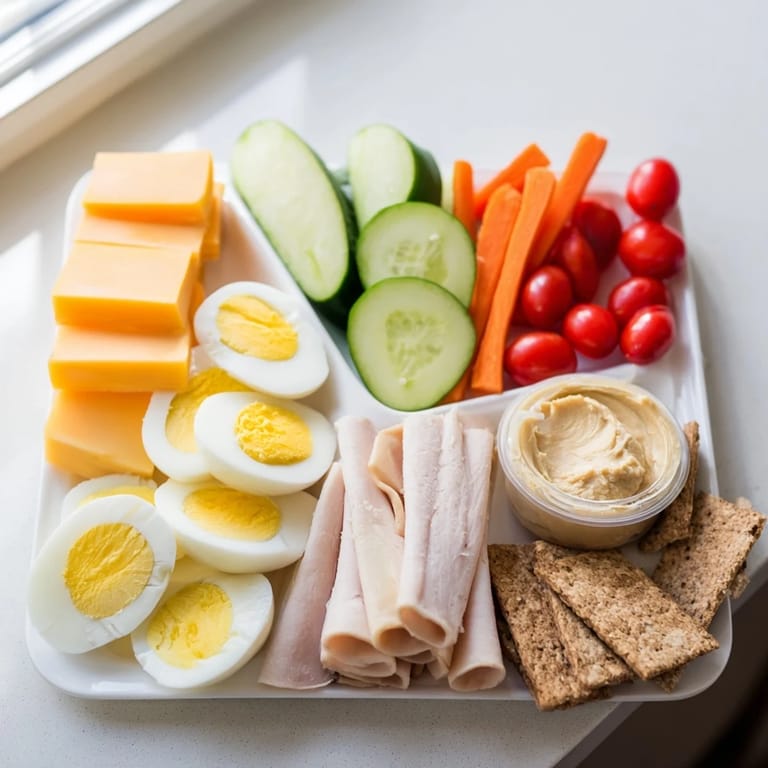
Save There was a Tuesday morning when my partner grabbed one of these boxes instead of stopping at the drive-through, and I caught them an hour later actually enjoying their lunch instead of half-eating something forgettable at their desk. That's when I realized these boxes aren't just meal prep; they're a small act of care you extend to yourself.
Building Your Perfect Box
The beauty of snack boxes is that they're a framework, not a rule. Think of your proteins, vegetables, fruits, and crackers like building blocks—once you understand the proportions, you can swap nearly everything. I rotate between different cheeses depending on my mood, swap the turkey for roast beef when I'm in a different season, and play with vegetables based on what looks good at the farmer's market. The structure stays the same, but the flavor story changes constantly.
The Container Question
Your container choice matters more than you'd think. Divided compartments are non-negotiable—they prevent flavors from mingling and keep textures separate. I've tried flimsy plastic containers, and everything gets crushed. I've tried containers without compartments, and everything tastes like a cucumber by day three. The glass meal prep containers with snap lids feel like an investment, but they last forever and actually make you want to use them. If you're buying something new, go for compartments and a secure seal.
Flavor Combinations That Actually Work
After assembling dozens of these, I've learned which flavor combinations stay interesting across multiple days. Sharp cheddar with turkey and apple is timeless. Grilled chicken with fresh vegetables and nuts feels lighter. If you're experimenting, match your cheese to your protein—soft cheeses like fresh mozzarella pair with lighter proteins, while sharp cheddars handle bolder meats. The hummus acts as a bridge, bringing everything together without overpowering anything else.
- Try a Mediterranean version with roasted red peppers, olives, feta, and grilled chicken for a completely different vibe.
- Keep backup proteins in your freezer so you can build new boxes without another grocery trip.
- Taste a component before packing it—a sad cucumber is still a sad cucumber in a pretty box.
 Save
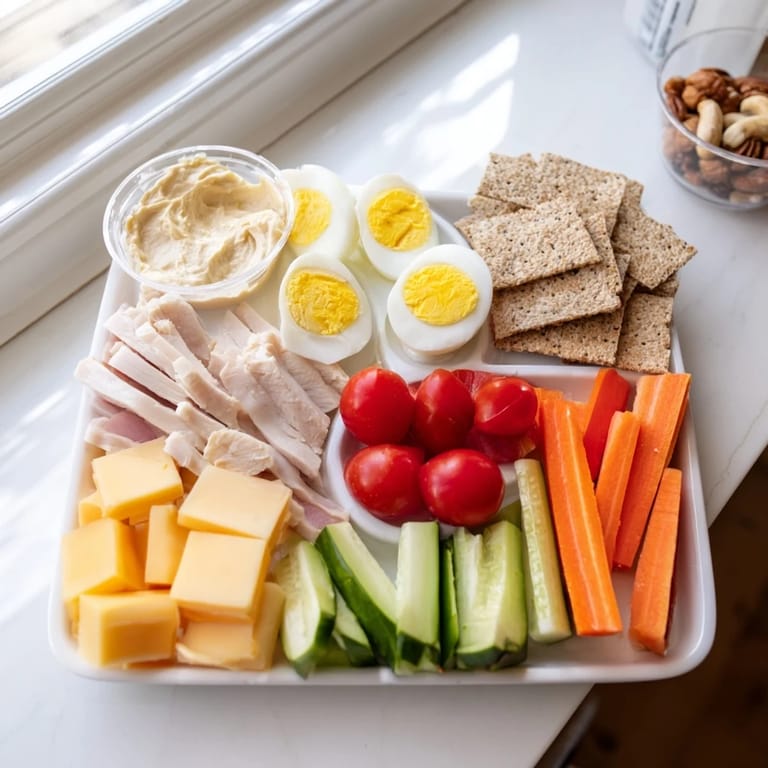
Save These boxes taught me that good eating doesn't require cooking or complexity—just intention and a little care in the assembly. Make them once and you'll understand why they became the lunch everyone suddenly wanted.
Recipe FAQs
- → What proteins work best in these snack boxes?
Chicken breast, turkey, ham, or even grilled shrimp and tofu provide excellent protein options that keep well and complement fresh vegetables.
- → How can I keep crackers from becoming soggy?
Keep crackers separate in small containers or add them just before eating to maintain their crunchiness within the snack boxes.
- → Are these boxes suitable for gluten-free diets?
Yes, using gluten-free crackers ensures the boxes meet gluten-free requirements while maintaining great texture and flavor.
- → Can vegetables be substituted or added to these boxes?
Absolutely. Snap peas, bell pepper strips, radishes, olives, or marinated artichokes are great additions or swaps for variety and taste.
- → How long can prepared snack boxes be stored?
When sealed and refrigerated, these protein snack boxes stay fresh for 3 to 4 days, making them ideal for meal prep.