 Save
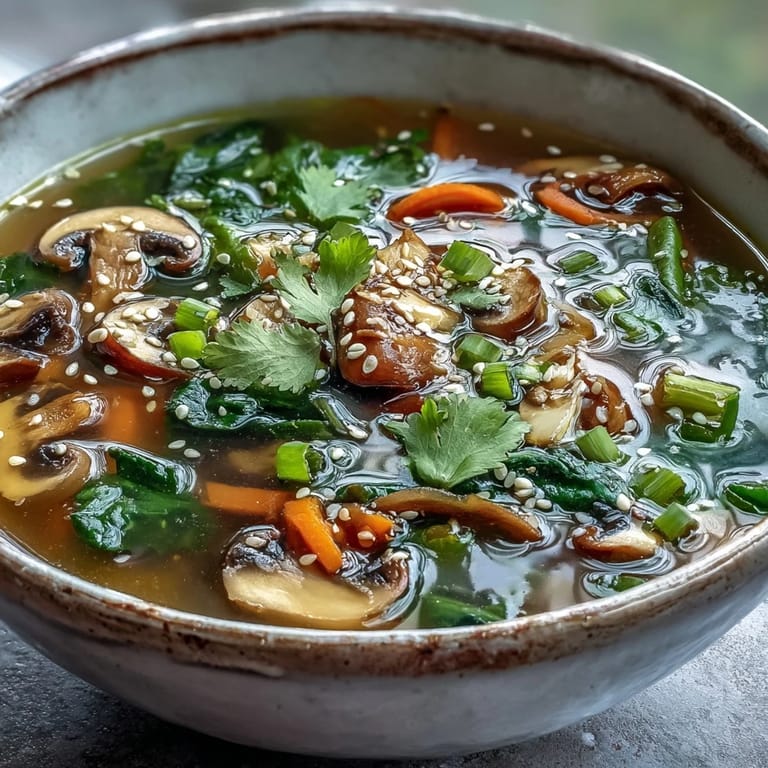
Save Last winter, a persistent cold left me craving something healing yet light. Standing in my kitchen, fingers numb from the chill outside, I reached for ginger root and miso paste. The steam rising from the pot as the broth simmered gradually warmed my kitchen, filling it with an earthy aroma that seemed to chase away the gray day outside. That afternoon, this miso ginger soup was born from necessity, but it quickly became my seasonal remedy for both body and spirit.
I made this soup for my neighbor who had just returned from the hospital last February. The look on her face when she took the first spoonful still stays with me, that moment of surprise when something so simple delivers unexpected comfort. She called me the next morning asking for the recipe, saying she had slept better than she had in weeks. Now whenever I drop by, she jokes about my magic healing soup powers.
Ingredients
- Fresh ginger: Use a spoon to peel it rather than a vegetable peeler, you will waste less of the aromatic flesh and find it much easier to navigate the knobby parts.
- Miso paste: I prefer white miso for its gentle sweetness in this recipe, but after running out once and substituting red miso, I discovered it creates a deeper, more complex flavor profile if that is what you prefer.
- Shiitake mushrooms: Their meaty texture and earthy flavor create substance in this otherwise light soup, and they absorb the ginger-infused broth beautifully.
- Baby spinach or bok choy: Either brings a fresh green element, though bok choy retains more texture while spinach practically melts into the broth.
- Vegetable broth: The foundation of your soup, so use one with minimal additives for a clean flavor that lets the ginger and miso shine through.
Tired of Takeout? 🥡
Get 10 meals you can make faster than delivery arrives. Seriously.
One email. No spam. Unsubscribe anytime.
Instructions
- Create the aromatic base:
- Bring your vegetable broth to a gentle simmer, then add those thin slices of ginger and garlic. You will know the magic is happening when your kitchen fills with a spicy-sweet aroma after about 10 minutes.
- Add the vegetables:
- Slip in the mushrooms and carrots, watching them gradually soften and take on the golden hue of the broth. They should become just tender but maintain some texture, about 5 minutes.
- Prepare the miso mixture:
- This little step makes all the difference for a smooth, lump-free soup. Whisk that ladleful of hot broth with your miso paste until it looks like a silky, uniform mixture.
- Incorporate the miso:
- Turn down the heat first, then stir in your miso mixture. Remember never to boil miso if you want to preserve those wonderful probiotics that make this soup truly nourishing.
- Finish with greens:
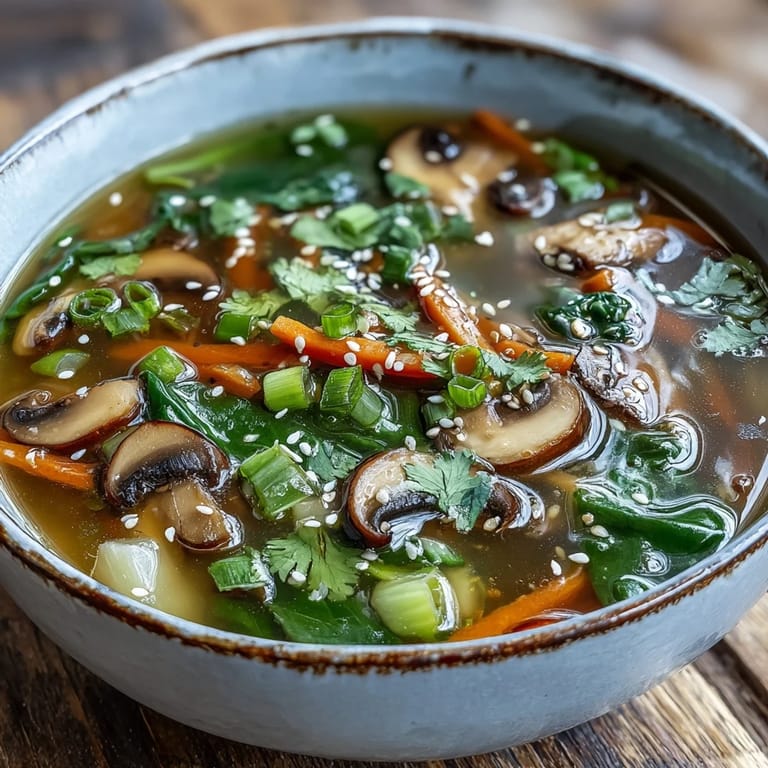
- Add your spinach or bok choy and green onions, watching them brighten and wilt into the golden broth. Just a minute is all it takes for them to surrender their fresh flavor to the soup.
- Garnish with purpose:
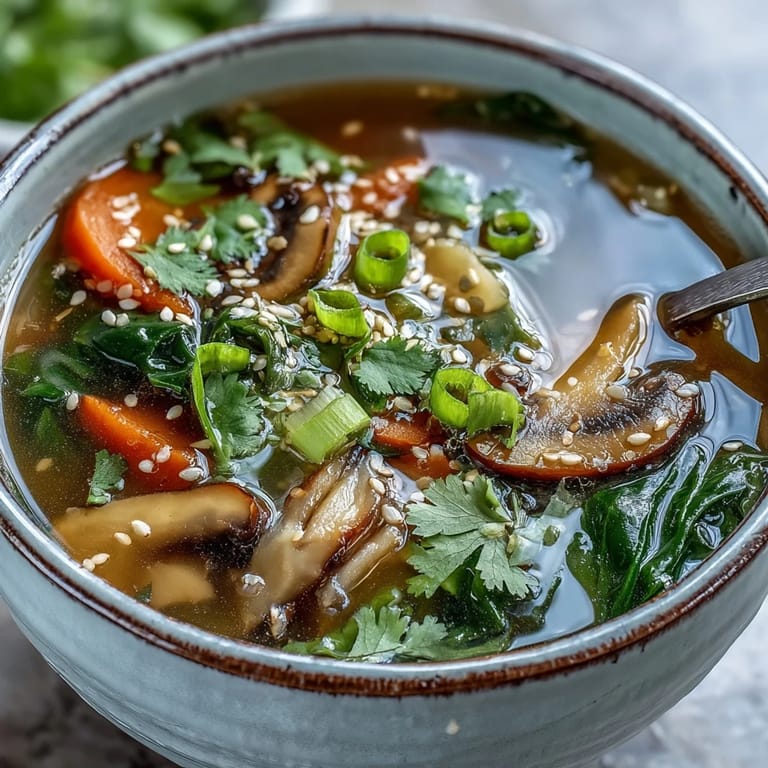
- Ladle into bowls and top with sesame seeds for nutty crunch, perhaps some cilantro for brightness, and a few drops of chili oil if you want that warming kick. Each element adds a different dimension to the experience.
 Save
Save During a particularly brutal snowstorm last January, when the power flickered and threatened to leave us in the dark, I made this soup on the gas stove by flashlight. My partner and I huddled at the kitchen table with steaming bowls while wind howled outside. Something about the contrast between the chaos outside and the clarity of the ginger-scented broth created a moment of perfect contentment in imperfect circumstances.
Seasonal Adaptations
Though created for winter, this soup transforms beautifully with the changing seasons. In spring, I add tender asparagus tips and fresh peas for brightness. Summer calls for corn kernels and cherry tomatoes that burst with sweetness. Fall brings the opportunity to add cubes of roasted squash or sweet potato that melt slightly into the broth, creating natural thickness without heaviness.
Making It a Complete Meal
What began as a simple soup has become the foundation for countless dinners in my home. Adding protein transforms this light soup into a substantial meal, with silken tofu cubes being my favorite addition, as they soak up the flavors while adding minimal preparation. For guests with heartier appetites, I often prepare a pot of soba or udon noodles separately, allowing everyone to add their desired amount to their bowl, preventing the noodles from absorbing too much broth if there are leftovers.
Storage and Reheating
The flavor of this soup actually deepens overnight as the ginger continues to infuse the broth, making it perfect for batch cooking. When storing leftovers, I separate any remaining greens if possible, as they will continue to wilt and darken in the refrigerator. When reheating, I always use a gentle approach, warming the soup slowly on the stovetop just until steaming but never boiling, especially since the miso has already been incorporated.
- Store in an airtight container in the refrigerator for up to 3 days.
- Freeze the broth base without the miso and greens for up to 3 months.
- Add fresh greens when reheating for the brightest flavor and appearance.
 Save
Save This miso ginger soup has become more than just a recipe in my collection, its a ritual of restoration that grounds me through the winter months. May it bring the same comfort to your kitchen as it has to mine.
Recipe FAQs
- → Can I make this ahead of time?
Absolutely. Prepare the broth and vegetables in advance, but add the miso paste just before serving. This preserves the probiotics and prevents the flavor from becoming too salty as it sits. Reheat gently over low heat.
- → What vegetables work best?
Shiitake mushrooms add umami depth, while bok choy or spinach provides tender greens. Carrots bring sweetness and color. Feel free to use kale, Swiss chard, or sliced bell peppers depending on what's in season.
- → Is red or white miso better?
White miso has a milder, slightly sweet flavor that works beautifully here. Red miso delivers a deeper, more intense taste. Choose based on your preference—just adjust the quantity to taste.
- → How can I add more protein?
Cubed silken tofu absorbs the broth beautifully without overpowering the delicate flavors. Add it during the last few minutes of cooking just to warm through. Edamame or cooked chickpeas also work well.
- → Can I add noodles?
Cooked soba, udon, or ramen noodles make this more substantial. Add them to individual bowls before ladling the hot broth over top, or simmer them directly in the soup if you prefer a thicker consistency.