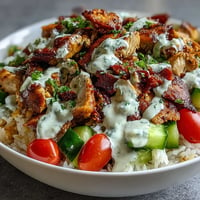
 Save
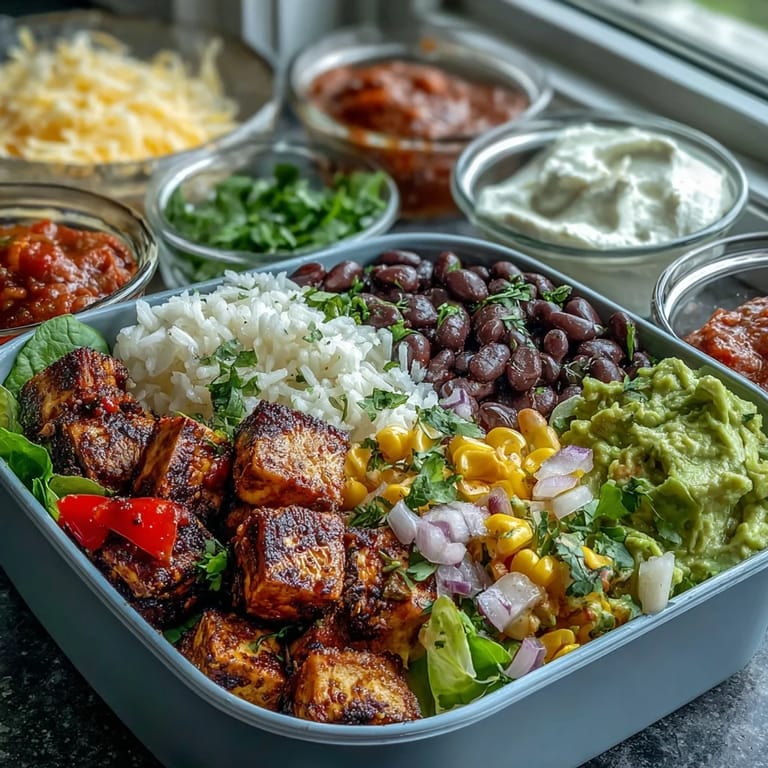
Save Sunday afternoons in my kitchen used to feel chaotic until I discovered the magic of building bowls instead of plating individual meals. One week, my roommate mentioned she'd been eating the same sad desk lunch every day, and something clicked—what if I built her something that stayed fresh, tasted better each day it sat in the fridge, and took barely an hour to prep for the whole week? That's when this burrito bowl base became my secret weapon, the kind of recipe that doesn't demand your attention but rewards your planning with meals that actually taste like you cared.
My coworker Sarah watched me eat these bowls for three weeks straight without complaint before she finally asked what the secret was. When I explained I'd prepped everything on Sunday, she looked skeptical—like prepping food sounded like punishment. But then she tried one, and suddenly she was texting me photos of her own bowls, customized with extra jalapeños and black beans instead of pinto. That moment taught me this recipe isn't really about efficiency; it's about giving people permission to eat well without overthinking it.
Ingredients
- Rice or grain base (2 cups cooked): White rice is fluffy and neutral, brown rice adds nuttiness and stays firmer when reheated, and quinoa works beautifully if you're avoiding gluten or want extra protein—pick based on your mood and how adventurous you're feeling that week.
- Beans (1 can, drained and rinsed): Black beans feel earthy and substantial, pinto beans are slightly sweeter, and mixing them keeps things interesting if you're eating the same bowl multiple times.
- Protein—choose one or layer them: Chicken breast is lean and takes seasoning well, ground beef brings richness, and tofu is honestly underrated once you learn to crisp it properly with enough oil and patience.
- Bell pepper (1 red, diced): Red peppers are sweeter than green and hold their crunch through the week, which matters when you're eating the same ingredients multiple days in a row.
- Corn (1 cup): Frozen corn works just as well as fresh and actually stays fresher longer in your meal prep containers.
- Cherry tomatoes (1 cup, halved): They're small enough to scatter evenly and their natural acidity cuts through richer toppings like sour cream.
- Red onion (1/2, finely diced): The raw bite softens slightly as it sits, but it never gets mushy—this is what keeps the bowl from feeling dull by Thursday.
- Lettuce (1 cup, shredded): Keep this completely separate from everything else or it'll wilt; store it in a paper towel-lined container to absorb any moisture.
- Cheese, salsa, sour cream, avocado, cilantro: These are the stars that should never touch the base until you're actually eating—freshness is everything with toppings.
- Seasonings (cumin, chili powder, smoked paprika, salt, pepper): These three spices are the backbone; don't skip them because they're what make simple ingredients taste intentional.
Tired of Takeout? 🥡
Get 10 meals you can make faster than delivery arrives. Seriously.
One email. No spam. Unsubscribe anytime.
Instructions
- Cook your grain:
- Get your rice or quinoa going first—if you have a rice cooker, this becomes effortless and you can ignore it while prepping everything else. If you're using a saucepan, follow the package ratio and remember to fluff it with a fork once it's done so it doesn't clump up in your containers.
- Prepare your chosen protein:
- For chicken, season it generously with cumin, chili powder, smoked paprika, salt and pepper, then cook it in a hot skillet with a tablespoon of olive oil until it's golden and cooked through—the seasoning should smell incredible as it hits the pan. For ground meat, brown it in the same way, breaking it up as it cooks, then drain off any excess fat so your meal prep containers don't get greasy. For tofu, press it firmly between paper towels first to remove moisture, then cube it and toss with oil and seasonings before pan-frying until the edges are crispy and golden.
- Warm and season the beans:
- Pour your drained beans into the skillet for just 2 to 3 minutes with a splash of oil and a pinch of cumin and chili powder—you're not cooking them, just waking them up so they taste seasoned and intentional instead of straight from a can.
- Chop everything else:
- Dice your peppers and onions, halve your tomatoes, measure out your corn, shred your lettuce, and get organized—this is the moment where good intentions live or die, so set up your containers while you have momentum.
- Assemble your meal prep containers:
- In four airtight containers, divide the rice, beans, protein, and cooked vegetables evenly—think of this as sketching the outline. Store lettuce separately in its own container lined with paper towels, and keep all toppings (cheese, salsa, sour cream, avocado, cilantro) in small containers so they stay fresh and distinct.
- Store and assemble when ready:
- These keep beautifully for 4 days in the fridge—when you want to eat, reheat the base components if you like them warm, add the cold lettuce, and pile on fresh toppings right before you eat. This method means Monday's bowl tastes just as good as it did the moment you finished prepping.
 Save
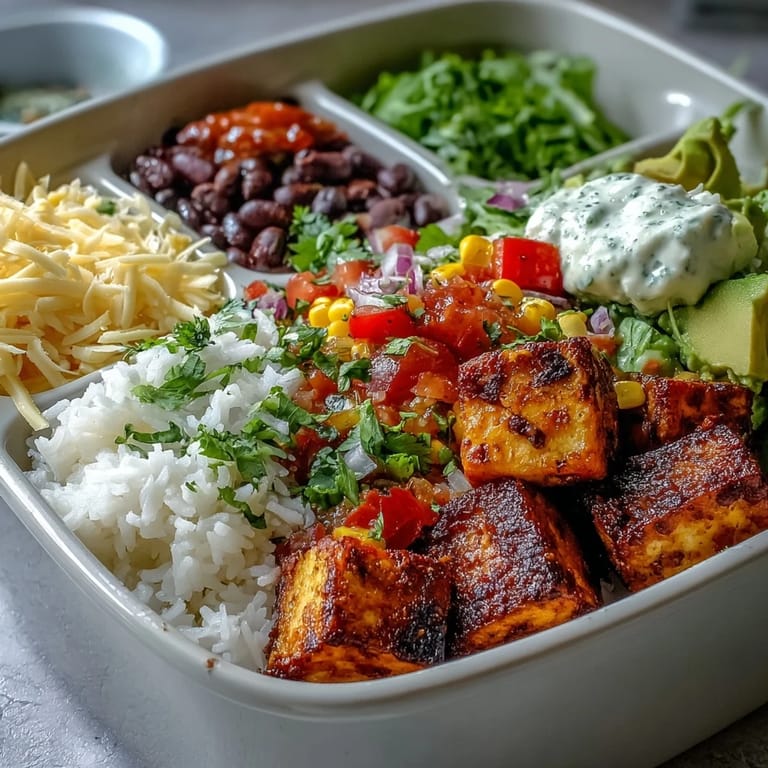
Save There's something deeply satisfying about opening your fridge on a hungry Tuesday and seeing four identically prepped bowls staring back at you, each one a blank canvas waiting for whatever toppings match your mood. It's the opposite of decision fatigue—the hard work is already done, and all that's left is the pleasure.
Why Meal Prep Bowls Changed My Weeknight
Before I started prepping these bowls, I'd come home starving and either order takeout or throw together something half-hearted from random fridge items. Now I spend two hours on Sunday and I don't think about lunch or dinner until I'm actually hungry—and by then, something delicious and balanced is already waiting. It's not about being perfect or Instagram-worthy; it's about removing the friction between wanting to eat well and actually doing it when you're tired.
The Magic of Separate Storage
The genius of this system isn't really the ingredients—it's respecting that warm things want to stay warm and cold things want to stay cold and fresh. When you separate everything, you're not just storing food; you're preserving the qualities that made you want to eat it in the first place. A warm bowl of rice and beans with cold crisp lettuce and cool creamy avocado is a completely different eating experience than everything sitting together for four days turning uniform and sad.
Customization Is Actually the Point
This recipe is genuinely just a framework, and that's its superpower—you can use whatever protein fits your diet, whatever vegetables are on sale that week, and whatever toppings match what you're craving. One week I'm eating these with lime crema and jalapeños, the next week it's just cilantro and hot sauce, and honestly both versions feel intentional because the base is strong enough to support whatever you pile on top.
- Try cauliflower rice if you want lower carbs, or swap in farro if you want something chewier and more substantial.
- Roast your vegetables instead of eating them raw if you have the oven space—caramelized peppers and charred corn are a completely different vibe.
- Double the batch and freeze half the prepped containers if you want a two-week safety net on nights when cooking feels impossible.
 Save
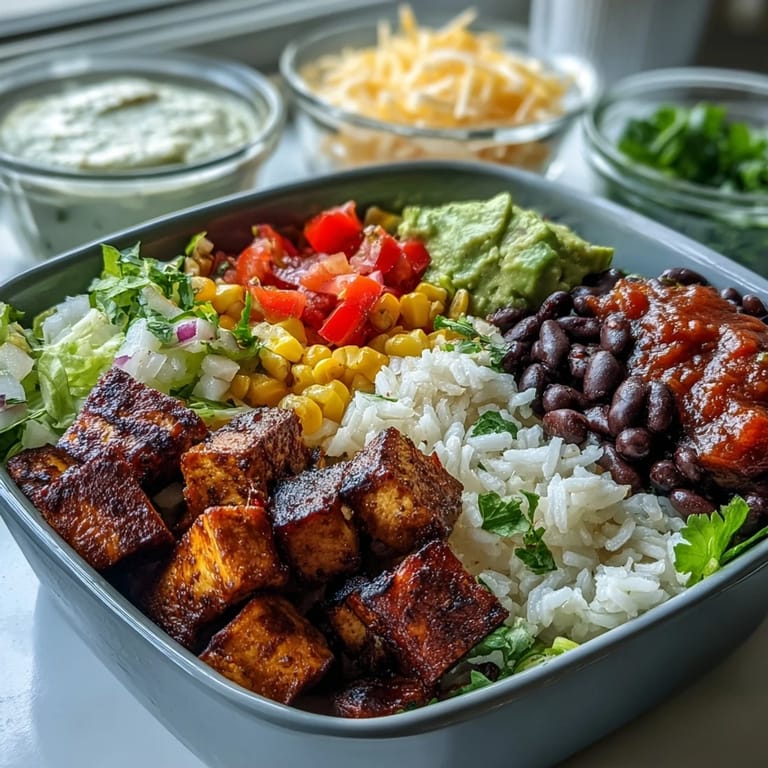
Save This bowl became my answer to the question I kept asking myself: how do you eat well without spending every evening cooking or stressing about what's for dinner? It turns out you build it all on Sunday afternoon and then you get to coast through the week knowing you already won.
Recipe FAQs
- → How long do these burrito bowls keep in the refrigerator?
Store components in airtight containers for up to 5 days. Keep toppings separate and add fresh elements like lettuce and avocado just before eating for best texture and flavor.
- → Can I freeze the components for longer storage?
Yes, rice and protein freeze well for up to 3 months. Freeze components separately in portioned containers. Thaw overnight in the refrigerator before assembling with fresh vegetables.
- → What's the best way to reheat these bowls?
Microwave the rice, beans, and protein together for 2-3 minutes, stirring halfway. For better texture, reheat in a skillet over medium heat for 5-7 minutes, then add cold toppings just before serving.
- → How can I make these bowls spicier?
Add diced jalapeños to the vegetable mix, incorporate cayenne pepper into the protein seasoning, or drizzle with hot sauce when assembling. You can also use spicy salsa as a topping instead of mild.
- → What other grains work well in this bowl?
Cauliflower rice offers a low-carb alternative, quinoa provides extra protein, or try cilantro-lime rice for added flavor. Farro and bulgur also work nicely for a hearty variation.