 Save
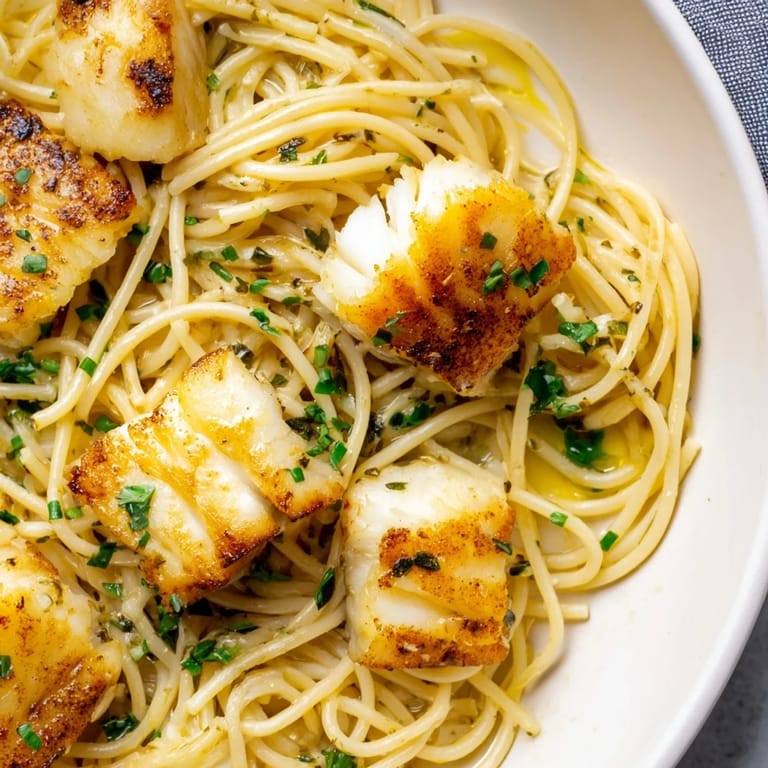
Save My neighbor knocked one evening holding a bucket of fish her husband had just caught, and I panicked because I'd never cooked a whole fish in my life. I filleted what I could, tossed the pieces with whatever pasta I had, and squeezed half a lemon over the top. It turned out better than anything I'd ordered at a restaurant. That messy, improvised dinner became this recipe, and now it's what I make whenever I want something that feels both elegant and effortless.
I made this for my sister after she moved into her first apartment, and she called me the next day asking for the recipe. She said it was the first meal that made her tiny kitchen feel like home. We've cooked it together at least a dozen times since, each time tweaking the herbs or adding a pinch more chili. It's become our tradition whenever one of us needs a pick-me-up.
Ingredients
- Firm white fish fillets: Cod and haddock hold up beautifully when flaked, and their mild flavor lets the lemon and herbs shine without competing.
- All-purpose flour: A light dusting creates that crispy outer layer without making the fish heavy or greasy.
- Sea salt and black pepper: Simple seasoning is all you need when the fish is this fresh and delicate.
- Olive oil: Use a good quality oil for cooking the fish, it adds a subtle richness that butter alone can't match.
- Spaghetti or linguine: Long noodles catch the flakes of fish and herbs in every twirl, making each bite satisfying.
- Salt for pasta water: Generously salting the water is the only chance you have to season the pasta itself, don't skip it.
- Unsalted butter: It melts into the garlic and creates a silky base that coats the noodles evenly.
- Garlic: Finely chopped garlic blooms in the butter and perfumes the whole dish without overpowering the fish.
- Lemon zest and juice: The zest adds aromatic oils, while the juice brightens everything and cuts through the richness.
- Fresh parsley and chives: These herbs bring color and a grassy freshness that makes the dish feel alive.
- Chili flakes: Just a pinch adds warmth and a gentle kick, but it's completely optional if you prefer it mild.
- Extra virgin olive oil: A final drizzle adds a peppery, fruity finish that ties all the flavors together.
- Freshly ground black pepper: A few twists at the end add a sharp, aromatic note that wakes up the whole plate.
- Lemon wedges: Serving them on the side lets everyone adjust the brightness to their own taste.
Tired of Takeout? 🥡
Get 10 meals you can make faster than delivery arrives. Seriously.
One email. No spam. Unsubscribe anytime.
Instructions
- Boil the pasta:
- Bring a large pot of water to a rolling boil, add a tablespoon of salt, and drop in the pasta. Cook it until it's just al dente, with a slight bite in the center, then scoop out half a cup of the starchy cooking water before draining.
- Prep the fish:
- Pat the fillets completely dry with paper towels so they sear instead of steam, then season both sides with salt and pepper. Dust them lightly with flour, tapping off any excess so the coating stays thin and crisp.
- Pan-fry the fish:
- Heat the olive oil in a large non-stick skillet over medium-high heat until it shimmers. Lay the fillets in gently and let them cook undisturbed for 3 to 4 minutes per side until they turn golden and crispy, then transfer to a plate and break them into large, bite-sized flakes.
- Build the sauce:
- Lower the heat to medium and add the butter to the same skillet, letting it melt and foam. Toss in the garlic and sauté for about a minute until it smells sweet and toasty, then stir in the lemon zest and chili flakes if you're using them.
- Toss the pasta:
- Add the drained pasta to the skillet and toss it around to coat every strand in the garlicky butter. Pour in the lemon juice, a splash of reserved pasta water, and the extra virgin olive oil, then mix in the parsley and chives until everything is glossy and fragrant.
- Fold in the fish:
- Gently lift the flaked fish into the pasta, tossing lightly so the pieces stay intact but get warmed through. Don't overmix or the fish will turn to mush.
- Serve and garnish:
- Divide the pasta among plates and finish with extra herbs, a grind of black pepper, and a lemon wedge on the side. Serve it immediately while the fish is still crispy and the pasta is steaming.
 Save
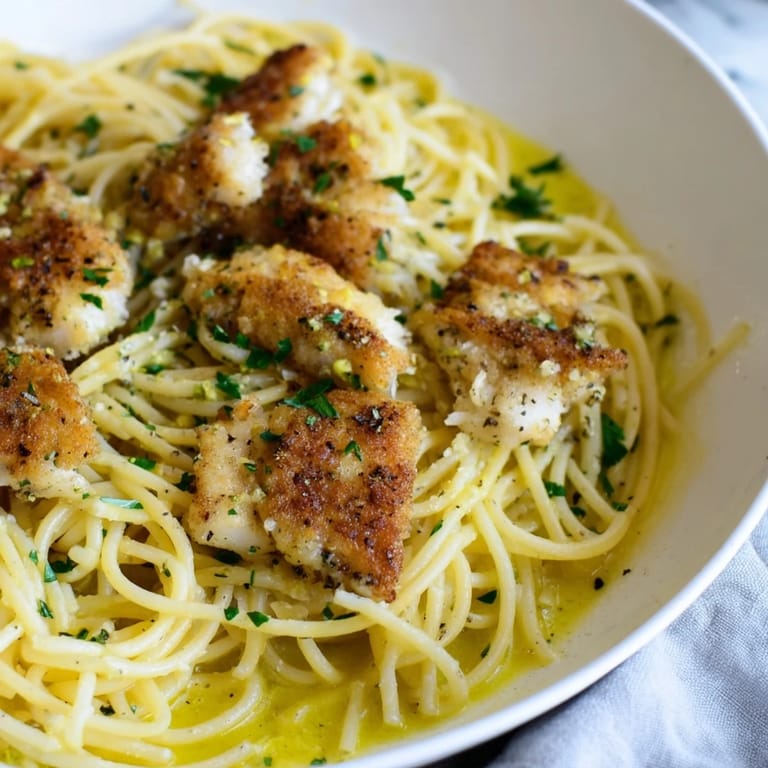
Save One summer, I served this to friends on the back porch with a bottle of cold white wine and a bowl of olives. We ate slowly, talking until the sky turned pink, and someone said it tasted like the kind of meal you'd remember years later. They were right. Every time I make it now, I think of that evening and how food has a way of marking the moments that matter.
Choosing Your Fish
Cod and haddock are my go-to because they flake beautifully and have a clean, mild flavor that doesn't compete with the lemon and herbs. Sea bass is more delicate and slightly sweeter, while tilapia is budget-friendly and widely available. Whatever you choose, make sure the fillets are firm and smell like the ocean, not fishy. If you're using frozen fish, thaw it overnight in the fridge and pat it bone-dry before cooking, or it won't crisp up properly.
Customizing the Flavor
I've added capers for a briny punch, tossed in handfuls of peppery arugula at the end, and even stirred through a spoonful of crème fraîche when I wanted something richer. A splash of white wine in the garlic butter adds depth, and swapping parsley for fresh dill gives it a Scandinavian twist. You can also char a halved lemon in the skillet before squeezing it, which adds a smoky sweetness that's hard to beat. This recipe is forgiving, so trust your instincts and use what you have.
Storing and Reheating
Leftovers keep in an airtight container in the fridge for up to two days, though the fish won't stay as crispy. I reheat it gently in a skillet with a splash of water or olive oil, stirring carefully so the fish doesn't fall apart completely. You can also eat it cold as a pasta salad, dressed with a little extra lemon juice and olive oil. It's one of those dishes that changes character but stays delicious no matter how you serve it.
- Add a handful of cherry tomatoes for sweetness and color.
- Swap linguine for orzo or another short pasta if that's what you have.
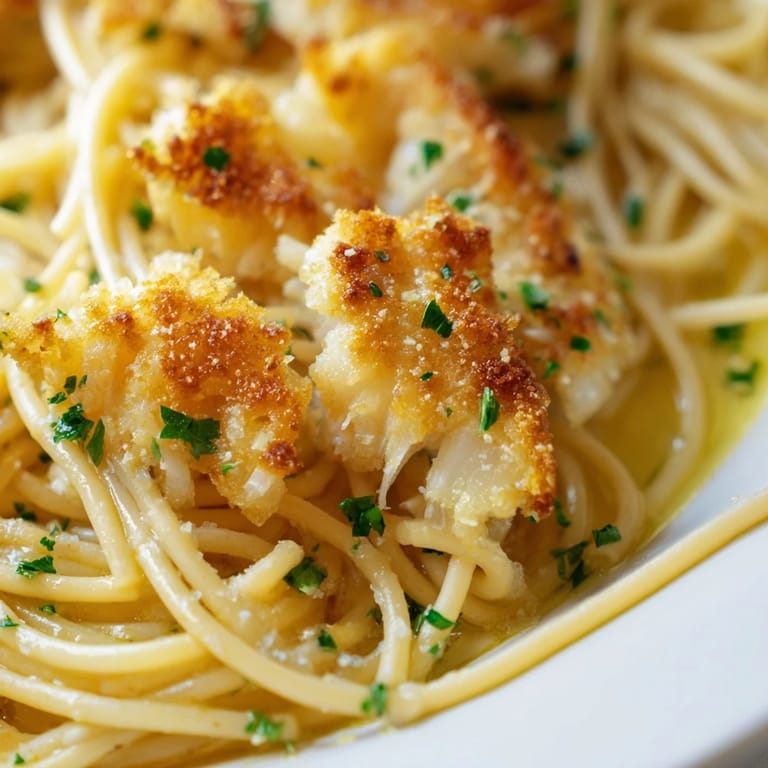
- Finish with a sprinkle of toasted breadcrumbs for extra crunch.
 Save
Save This dish has a way of making ordinary weeknights feel special without any fuss. I hope it becomes one of those recipes you reach for when you want something bright, satisfying, and just a little bit magical.
Recipe FAQs
- → What type of fish works best for this dish?
Firm white fish fillets are ideal—cod, haddock, and sea bass are excellent choices. Tilapia and snapper are also great alternatives. Avoid delicate white fish that flakes apart easily, as you want substantial, bite-sized pieces.
- → How do I keep the fish from becoming mushy?
Pat the fillets dry before cooking to achieve a crispy exterior. Cook skin-side down first for 3-4 minutes without moving them. When folding flaked fish into the pasta, use a gentle hand and avoid over-mixing to maintain texture and structure.
- → Can I prepare this dish gluten-free?
Yes, simply substitute the all-purpose flour with gluten-free flour for dredging and use gluten-free pasta instead of regular spaghetti or linguine. The rest of the preparation remains the same.
- → What's the purpose of reserving pasta water?
Pasta water contains starch that helps create a silky, cohesive sauce that clings to the pasta strands. Add it gradually while tossing to reach your desired consistency without the sauce becoming too thin or heavy.
- → How can I make this dish dairy-free?
Replace the unsalted butter with additional extra virgin olive oil when sautéing the garlic. The lemon juice and herbs will still provide plenty of flavor depth without the dairy component.
- → What wine pairs well with this dish?
Crisp white wines complement the bright lemon and fish beautifully. Sauvignon Blanc and Pinot Grigio are classic pairings that echo the fresh, Mediterranean flavors while cutting through the richness of the olive oil.