 Save
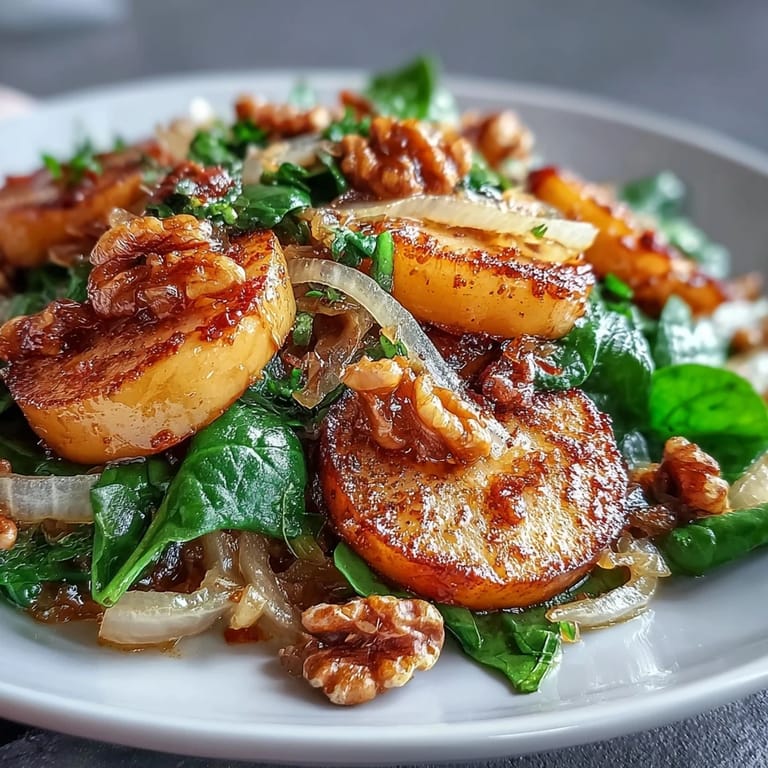
Save I discovered this Warm Apple and Sauerkraut Skillet Salad during an autumn farmers market visit that changed my weeknight cooking forever. The vendor handed me a warm sample that shocked my taste buds with its perfect balance of tangy and sweet. Standing there between colorful produce stalls with fallen leaves crunching underfoot, I instantly knew this unlikely combination would become a staple in my kitchen. The first time I made it at home, the aroma of caramelized apples and warming spices filled every corner.
Last October, I served this salad at an impromptu dinner gathering when friends stopped by unexpectedly. With little else in the pantry, I worried this unusual combination might be too adventurous. Instead, our conversation fell silent as everyone took their first bites, then erupted into demands for the recipe. My friend Mia, who typically avoids anything fermented, took seconds and then thirds. Someone joked we should rename it conversion salad for its ability to win over doubters.
Ingredients
- Apples: Honeycrisp or Gala varieties offer the perfect sweetness and hold their shape beautifully when cooked instead of turning to mush.
- Sauerkraut: Look for refrigerated varieties with live cultures for maximum probiotic benefits, and always drain well to prevent a watery salad.
- Red onion: The slight pungency mellows wonderfully when caramelized with the apples, adding a crucial flavor foundation.
- Baby greens: The heat from the skillet ingredients gently wilts the greens just enough without making them soggy.
- Honey or maple syrup: Just a touch enhances the natural sweetness of the apples and balances the tang of sauerkraut.
- Nuts: Toasted walnuts or pecans provide essential texture contrast against the softer ingredients.
Tired of Takeout? 🥡
Get 10 meals you can make faster than delivery arrives. Seriously.
One email. No spam. Unsubscribe anytime.
Instructions
- Prepare your base:
- Heat olive oil or butter in a large skillet over medium heat until it shimmers slightly. You want the fat hot enough to start caramelizing the fruit right away.
- Caramelize the aromatics:
- Add your sliced apples and onions to the hot skillet, arranging them in a relatively even layer. Let them sizzle for 6-8 minutes, stirring occasionally but not constantly, allowing golden edges to develop.
- Add sweetness and spice:
- Drizzle honey or maple syrup over the mixture and sprinkle with caraway seeds, salt and pepper. Watch how the sweetener immediately bubbles and helps create a light glaze that coats everything.
- Warm the sauerkraut:
- Lower your heat and gently fold in the drained sauerkraut. Youre just warming it through for 2-3 minutes, not cooking it further which would diminish its probiotic benefits.
- Wilt the greens:
- Pull the skillet off the heat completely before adding your spinach or arugula. The residual warmth will perfectly wilt the greens without making them soggy.
- Finish with texture:
- Transfer everything to your serving dish and immediately top with the toasted nuts and fresh parsley. The contrast between warm ingredients and fresh garnishes makes each bite interesting.
 Save
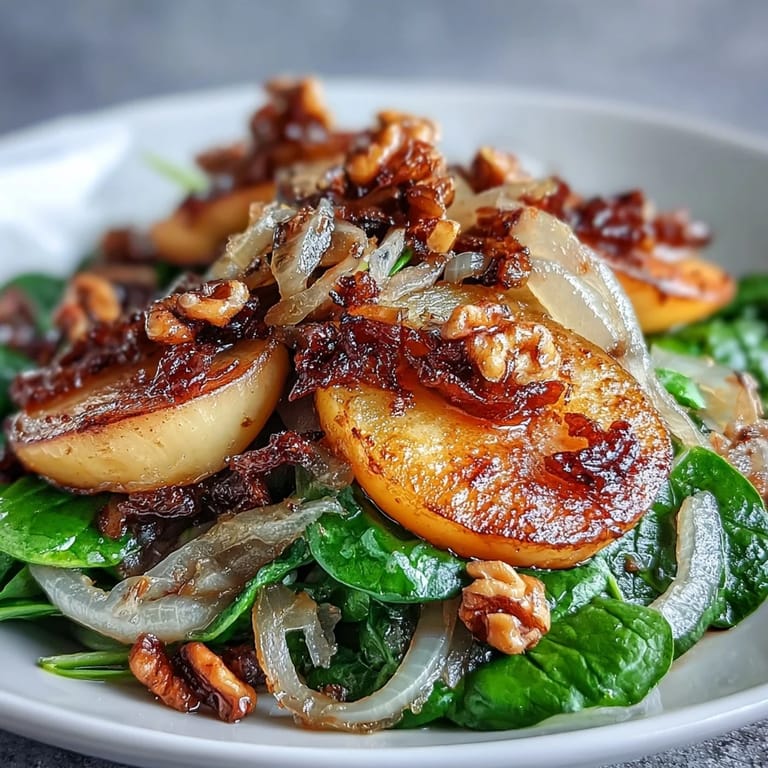
Save The true magic of this dish revealed itself during a particularly stressful week when I was battling a stubborn cold. I made a batch hoping the combination of warming comfort and probiotic benefits might help, and ended up standing over the stove eating it straight from the skillet. Something about the contrast of flavors and textures became profoundly comforting. Now whenever anyone in our house feels under the weather, this becomes the requested meal, our version of chicken soup, earning it the nickname healing skillet.
Seasonal Adaptations
When summer brings its bounty, I sometimes add halved cherry tomatoes and fresh basil instead of parsley, letting them warm just slightly from the residual heat. In deep winter, adding a handful of dried cranberries and using kale instead of spinach creates a heartier version that stands up to roasted meats. Spring inspires a variation with thinly sliced radishes added raw at the end for color and crunch. The versatility of this base recipe has taught me to cook with the seasons rather than fighting against them.
Pairing Suggestions
Through much delicious experimentation, Ive found this salad pairs beautifully with roasted pork loin or good quality sausages when serving it as a side. For a complete vegetarian meal, I often add a fried egg with a runny yolk on top, letting it create a natural sauce that enriches the entire dish. The sweet-tart profile also complements rich foods beautifully, making it an unexpected but welcome addition to holiday tables alongside traditional heavier dishes.
Storage and Make-Ahead Tips
While best enjoyed fresh from the skillet, Ive discovered this salad holds up surprisingly well for next-day lunches, developing deeper flavors overnight. The key is to store the components strategically, keeping the nuts separate to maintain their crunch and adding fresh greens just before eating.
- Store leftovers in glass containers rather than plastic to prevent the sauerkraut flavors from permeating everything.
- Reheat gently on low heat or enjoy cold straight from the refrigerator for different but equally delicious experiences.
- For meal prep, you can caramelize the apples and onions ahead of time, storing them separately from the sauerkraut and combining everything when ready to serve.
 Save
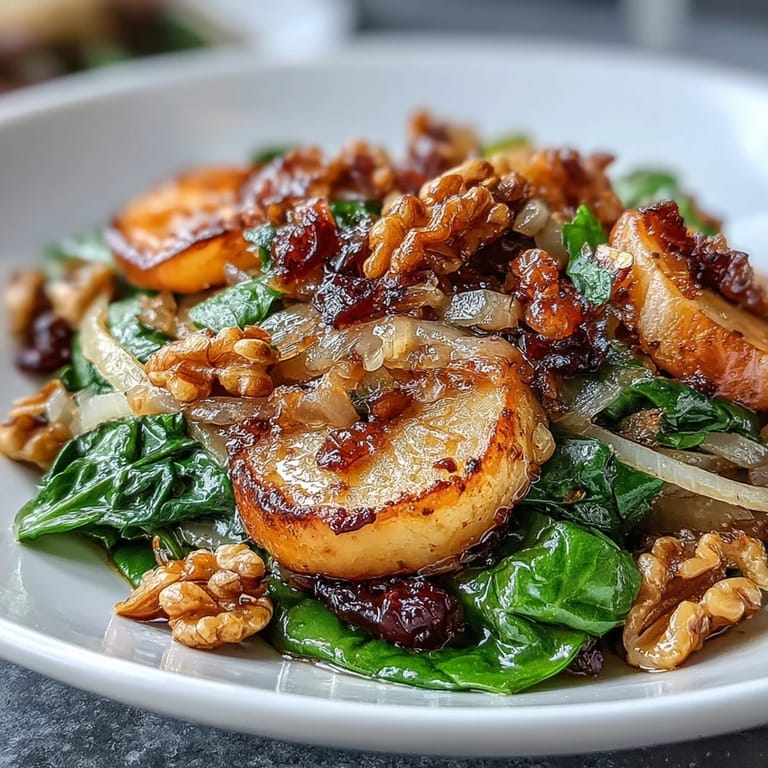
Save This humble skillet salad has taught me more about balancing flavors than formal cooking lessons ever could. Each time you make it, youll discover something new about how sweet plays with sour, how texture transforms simple ingredients, and how the most unexpected combinations often create the most memorable meals.
Recipe FAQs
- → Can I make this ahead of time?
Yes, you can prepare the apple and sauerkraut mixture up to 2 days ahead. Store it in an airtight container in the refrigerator and reheat gently before adding the fresh greens and garnishes.
- → What type of apples work best?
Honeycrisp or Gala apples are ideal because they hold their shape during cooking while developing a nice sweetness. Firm, slightly tart varieties work well to balance the sauerkraut's tanginess.
- → Can I omit the nuts?
Absolutely. The nuts add texture but aren't essential. You can substitute with toasted pumpkin seeds for a nut-free option, or simply enjoy the dish without the crunch element.
- → Is this dish served hot or cold?
It's designed to be served warm or at room temperature, which allows the flavors to meld beautifully. The warmth slightly wilts the greens, making them more tender and integrating their flavor with the caramelized mixture.
- → How do I store leftovers?
Store any leftovers in the refrigerator for up to 3 days. Note that the greens will continue to wilt, so if planning to store for longer, keep the greens separate and add them just before serving.
- → Can I use different greens?
Yes, baby spinach, arugula, or even kale work well. Kale will hold up better to reheating, while spinach and arugula add more delicate, peppery notes to the finished dish.