 Save
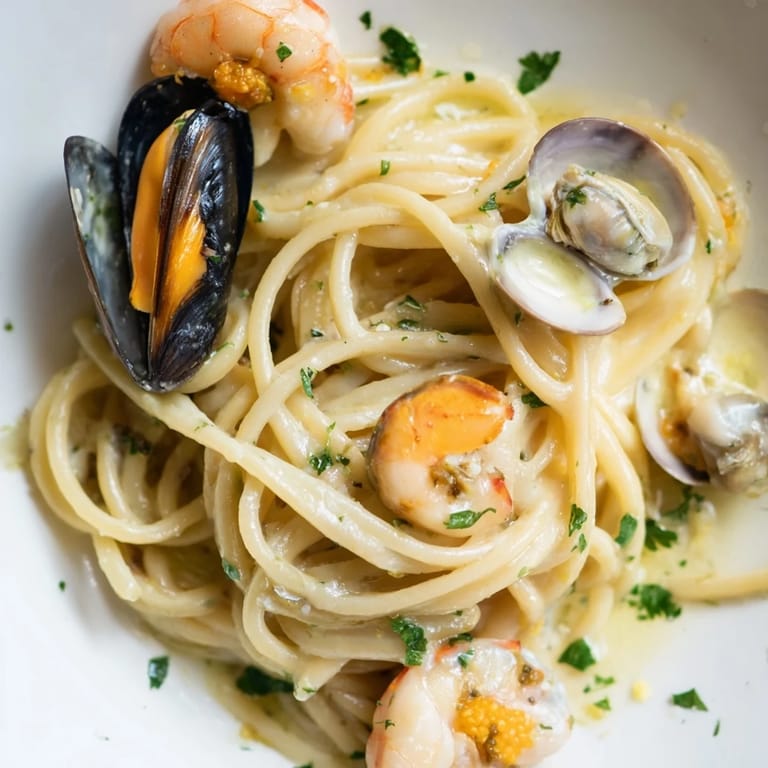
Save My neighbor came back from the coast with a cooler full of shellfish and knocked on my door just as the sun was setting. We stood in my kitchen under the yellow overhead light, and she taught me how to clean mussels properly while telling stories about her grandmother in Liguria. That night, we made this linguine with whatever I had on hand, a bottle of cheap white wine, too much garlic, and laughter that carried through the open window. It tasted like the ocean and felt like belonging.
I made this for my brother on his birthday one year because he mentioned missing the seaside. He sat at my tiny kitchen table twirling pasta onto his fork, quiet in a way that meant he was actually tasting it. When he finished, he looked up and said it reminded him of a trip we took as kids, one I had nearly forgotten. Food has a way of pulling memories to the surface like that.
Ingredients
- Large shrimp, peeled and deveined: These cook fast and turn sweet and tender when not overdone, look for firm texture and a clean ocean smell.
- Fresh clams, scrubbed: Littlenecks or Manilas work beautifully here, just tap any open ones before cooking and toss them if they dont close.
- Fresh mussels, scrubbed and debearded: Pull off the fibrous beard and give them a good rinse, they add a deep briny richness to the sauce.
- Dried linguine: The flat shape clings to sauce better than spaghetti, and it twirls like a dream on your fork.
- Extra virgin olive oil: Use something fruity and green, it becomes the backbone of your sauce and you will taste it.
- Garlic cloves, thinly sliced: Slicing instead of mincing gives you sweet, mellow garlic flavor without the harshness.
- Shallot, finely chopped: It adds a subtle sweetness that rounds out the sharpness of garlic and wine.
- Red pepper flakes: Just a pinch brings warmth without overwhelming the delicate seafood.
- Dry white wine: Use something you would actually drink, Pinot Grigio or Sauvignon Blanc work perfectly and add brightness.
- Fish or chicken stock: This builds body in the sauce, fish stock is ideal but chicken works in a pinch.
- Unsalted butter: Stirred in at the end, it gives the sauce a silky finish and a glossy sheen.
- Lemon zest and juice: Freshly grated zest adds fragrance, and the juice cuts through the richness with a clean, bright note.
- Salt and black pepper: Taste before you season, the clams and mussels release their own salt as they cook.
- Fresh parsley: This is not just garnish, it adds a grassy freshness that balances the richness.
- Lemon wedges: A final squeeze at the table lets everyone adjust the brightness to their liking.
Tired of Takeout? 🥡
Get 10 meals you can make faster than delivery arrives. Seriously.
One email. No spam. Unsubscribe anytime.
Instructions
- Boil the pasta:
- Bring a large pot of well salted water to a rolling boil and cook the linguine until it still has a slight bite, usually a minute less than the package says. Reserve half a cup of that starchy pasta water before draining, it will help marry the sauce and pasta later.
- Start the aromatics:
- Heat olive oil in a large deep skillet over medium heat and add the garlic and shallot, stirring gently until they soften and smell sweet, about two minutes. If using red pepper flakes, add them now so they bloom in the oil.
- Cook the shrimp:
- Turn the heat up to medium high and add the shrimp in a single layer, cooking one minute per side until they just start to turn pink and curl. Pull them out onto a plate so they dont overcook while you work on the shellfish.
- Steam the clams and mussels:
- Add the clams and mussels to the skillet, pour in the white wine, and cover with a lid. Let them steam for three to four minutes until the shells pop open, then discard any stubborn ones that stay closed.
- Build the sauce:
- Pour in the stock and let it simmer uncovered for two to three minutes to concentrate the flavors. Return the shrimp to the pan along with all their juices.
- Toss everything together:
- Add the cooked linguine, reserved pasta water, butter, lemon zest, and juice to the skillet. Toss everything gently over low heat until the pasta is glossy and coated, then taste and adjust with salt and pepper.
- Serve:
- Divide the linguine and seafood among bowls, making sure everyone gets a good mix. Sprinkle with parsley and serve with lemon wedges on the side.
 Save
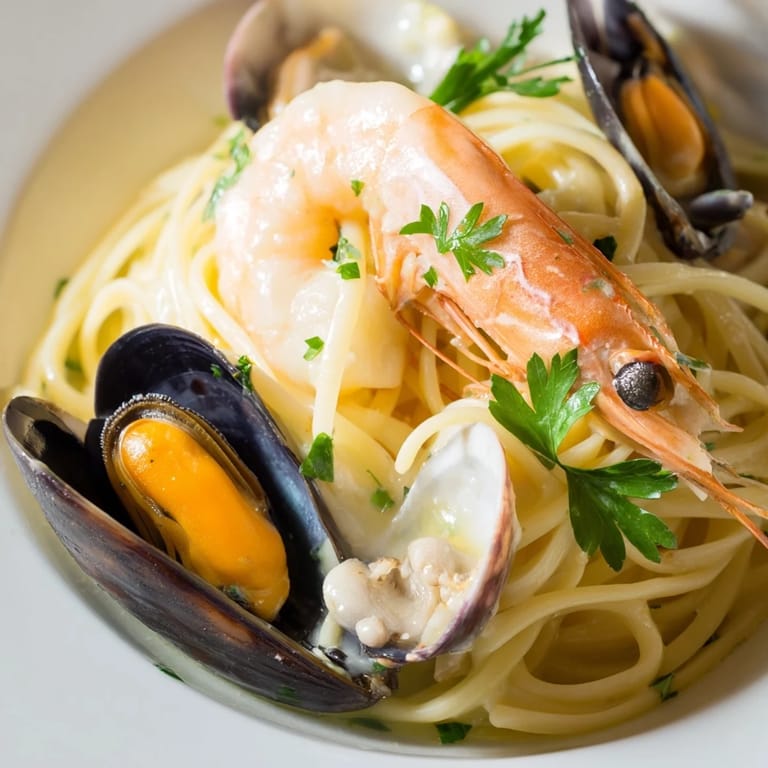
Save One evening I served this to a friend who had just moved to the city and was feeling homesick for the coast. She closed her eyes after the first bite and smiled, not saying anything for a long moment. Later she told me it was the first time in weeks she felt like herself again. Sometimes a bowl of pasta is more than dinner.
Choosing Your Seafood
The seafood counter can feel overwhelming, but freshness is your only real priority. Look for shrimp that smell like clean seawater, not ammonia, and shellfish with tightly closed shells or ones that close when tapped. I have swapped in scallops, calamari, and even chunks of firm white fish when that is what looked best. Trust your nose and your instincts, and ask the person behind the counter when they got their delivery.
Getting the Sauce Just Right
The sauce should cling to the pasta like a light glaze, not pool at the bottom of the bowl. If it looks too thin, let it simmer a bit longer before adding the pasta, or add a touch more butter at the end. If it is too thick, splash in a little more reserved pasta water and toss everything together over gentle heat. I have learned that the pasta water is the secret weapon, it thickens without heaviness and helps everything come together.
Make It Your Own
This recipe is forgiving and loves improvisation. Sometimes I add halved cherry tomatoes for sweetness, or a handful of spinach for color and body. A splash of cream makes it richer and more indulgent, perfect for a special occasion. If you cannot find fresh shellfish, frozen works too, just thaw them gently in the fridge overnight.
- Stir in a spoonful of tomato paste with the stock for a deeper, slightly sweeter base.
- Add fresh basil or a few torn leaves of tarragon at the end for an herbal twist.
- Finish with a drizzle of your best olive oil and a sprinkle of flaky sea salt right before serving.
 Save
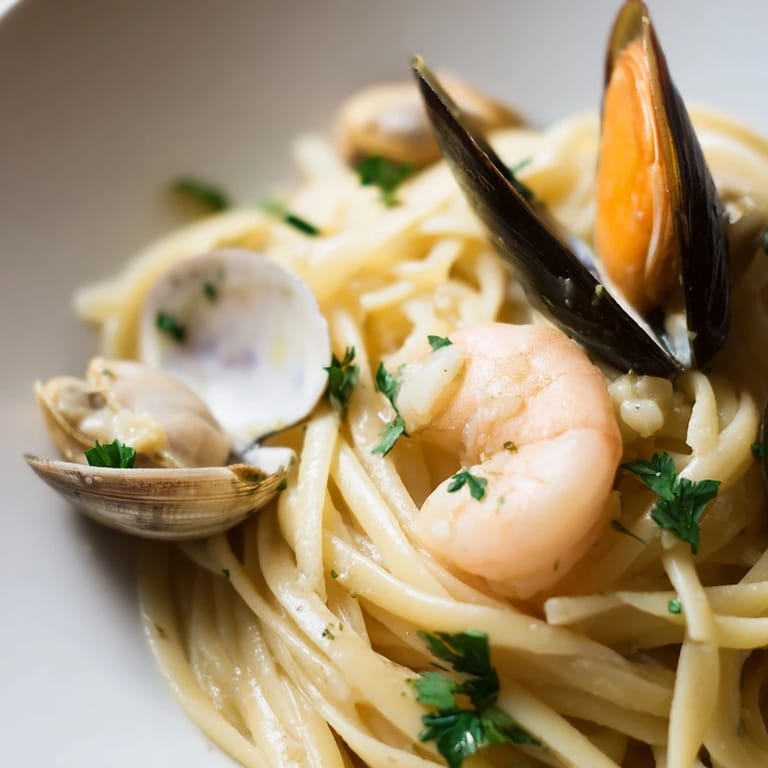
Save This dish has become my go to when I want to feel like I am somewhere else, somewhere with salty air and sunlight on water. I hope it takes you there too.
Recipe FAQs
- → How do I know when clams and mussels are fresh?
Choose shells that are tightly closed or close when tapped. Avoid any with cracks or that feel heavy with water inside. Store on ice until ready to cook and use the same day for best quality.
- → Why do some shells not open during cooking?
Unopened shells may indicate the seafood was already dead before cooking. Always discard these as they're unsafe to eat. This is completely normal and happens occasionally.
- → Can I make this dish ahead of time?
Prepare the sauce components in advance, but cook the seafood and pasta fresh. Reheating cooked shellfish can toughen the meat and diminish flavor quality.
- → What wine should I use for this dish?
Choose a dry white wine you'd enjoy drinking, such as Sauvignon Blanc, Pinot Grigio, or Vermentino. Avoid overly sweet wines that will unbalance the delicate seafood flavors.
- → Can I substitute other proteins for the mixed seafood?
Absolutely. Scallops, calamari, or firm white fish work beautifully. Keep total weight similar and adjust cooking times based on the size of your chosen proteins.
- → Why is reserved pasta water important?
The starch in pasta water helps emulsify the sauce, creating a silky coating that clings to the noodles. It balances the richness and helps distribute flavors evenly throughout the dish.