 Save
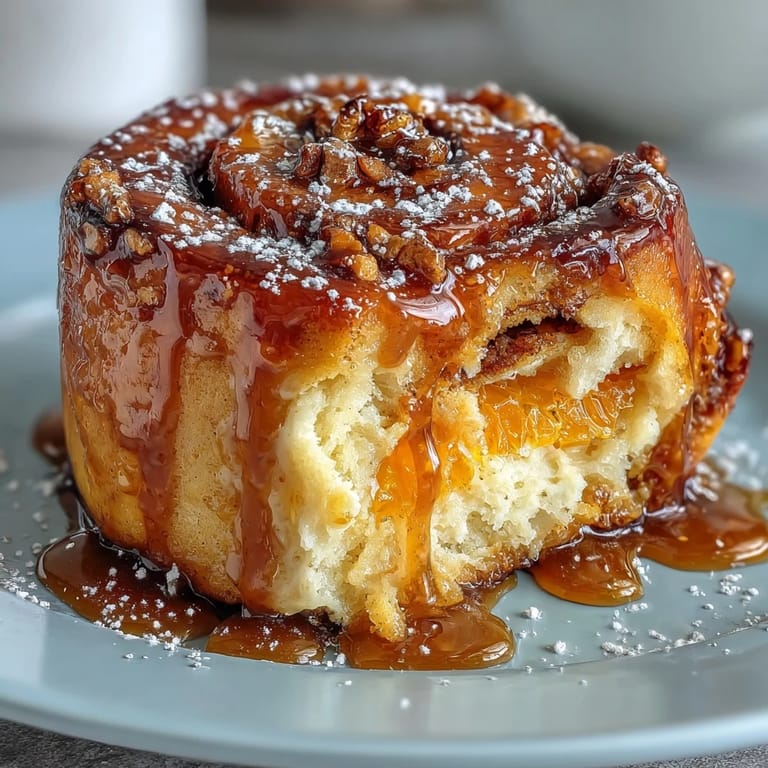
Save My kitchen smelled like a Sicilian citrus grove the morning I first tried making overnight orange rolls, except it was January in Minnesota and I'd just zested two enormous oranges at 10 PM. I'd grabbed them on a whim at the farmers market, thinking they'd be perfect for something warm and comforting, and this recipe seemed like fate. The dough came together so easily that I almost didn't believe it, but by the next morning when I pulled those golden rolls from the oven, my doubt evaporated faster than the orange juice in the glaze.
I made these for my neighbor who'd just come home from the hospital, and watching her face light up when she smelled them coming out of the oven made me realize that breakfast food is really just an excuse to tell people you're thinking of them. She ate two rolls with her coffee on her front porch, still in her robe, and that's when I understood why overnight rolls matter so much—they let you show up for people without the stress of a 5 AM wake-up call.
Ingredients
- All-purpose flour (3 1/2 cups): The foundation of everything, and you'll want to measure by weight if your scale is handy, because flour settles and compacts in ways that can throw off your whole dough if you're not careful.
- Instant dry yeast (2 1/4 tsp): Don't skip the instant version here—it's more reliable than active dry for overnight rises, and it gives you that predictable rise without the guesswork.
- Whole milk, lukewarm (3/4 cup): The warmth matters because yeast is basically tiny creatures that wake up better with gentle heat, so aim for around 110°F if you have a thermometer nearby.
- Unsalted butter, melted (1/4 cup for dough): Melted butter integrates into the dough more evenly than solid pieces, which means your rolls will be uniformly tender throughout instead of having butter pockets.
- Large eggs, room temperature (2): Cold eggs can shock your dough temperature, so pull them out of the fridge about 30 minutes before you start mixing—it's a small thing that keeps the dough happy.
- Fresh orange zest (zest of 2 large oranges for dough, 1 for filling): This is where the soul of the recipe lives, and using a microplane zester gives you those fine, delicate pieces that distribute better than bigger shreds.
- Softened butter for filling (1/4 cup): You want this actually soft, meaning it should yield to gentle pressure from your finger, because cold butter won't spread evenly on the dough and will create gaps.
- Granulated sugar (1/2 cup for filling): The sugar and zest together create a fragrant paste that clings to the spiral as you roll, so don't skimp on mixing them together first.
- Powdered sugar (1 cup for glaze): Sifting this isn't strictly necessary if you whisk hard enough to break up any lumps, but it takes about 20 seconds and saves you from grainy glaze.
- Fresh orange juice (2-3 tbsp for glaze): The juice should be freshly squeezed if possible because bottled juice sometimes tastes oddly metallic by comparison, and this glaze is too simple to hide that flavor.
Tired of Takeout? 🥡
Get 10 meals you can make faster than delivery arrives. Seriously.
One email. No spam. Unsubscribe anytime.
Instructions
- Mix your dry base:
- Whisk together flour, sugar, yeast, and salt in a large bowl, making sure the yeast gets evenly distributed so you don't end up with patches of dough that won't rise. This takes about two minutes and sets you up for success.
- Combine the wet ingredients:
- In a separate bowl, warm the milk to around 110°F, then stir in melted butter, eggs at room temperature, and orange zest until everything is well combined. The zest will float around a bit, which is exactly what you want.
- Bring it together:
- Pour the wet mixture into the dry ingredients and stir with a wooden spoon until a shaggy, sticky dough forms—don't worry if it looks messy and rough. You're not looking for perfection here, just hydrated flour.
- Knead until silky:
- Either by hand or with a stand mixer using the dough hook, knead for 7 to 8 minutes until the dough becomes smooth, elastic, and springs back when you poke it. If kneading by hand, your arms might get a little workout, but the dough will feel like soft skin when it's ready.
- First rise in warmth:
- Grease a bowl, nestle your dough inside, cover it with plastic wrap, and find a warm spot to let it rise for 1 to 2 hours until it's doubled. A cold kitchen will slow things down, so if yours runs chilly, turn on your oven light and crack the door.
- Punch and roll:
- Punch down the dough (this is actually satisfying), then roll it out on a lightly floured surface into a 10 by 16-inch rectangle. The edges don't need to be perfect because you're about to roll it up anyway.
- Fill with fragrance:
- Spread softened butter evenly over the dough, then sprinkle the sugar and orange zest mixture across the surface so every bite will have that citrus kick. Use your fingers to help distribute it if the butter isn't quite soft enough to spread easily.
- Roll tight and cut:
- Starting from the longer edge, roll the dough up as tightly as you comfortably can, then cut into 12 even pieces using a sharp knife or even a piece of dental floss (which sounds odd but actually works beautifully). A serrated knife helps too if your knife is dull.
- Arrange and wrap for overnight:
- Place all 12 rolls into a greased 9 by 13-inch baking dish, cover tightly with plastic wrap, and slide it into the refrigerator where it will spend the night getting slowly puffier. The cold slows down the yeast so everything rises gently and evenly.
- Morning proof:
- Pull the rolls out of the fridge and let them sit at room temperature for 45 to 60 minutes, until they're visibly puffy and nearly touching each other. This is when your kitchen will start smelling like a bakery.
- Bake until golden:
- Heat your oven to 350°F, then slide the rolls in for 22 to 25 minutes until they're golden brown on top and slightly firm when you touch them. The bottoms should sound slightly hollow when tapped, which is the sign of a perfectly baked roll.
- Glaze while warm:
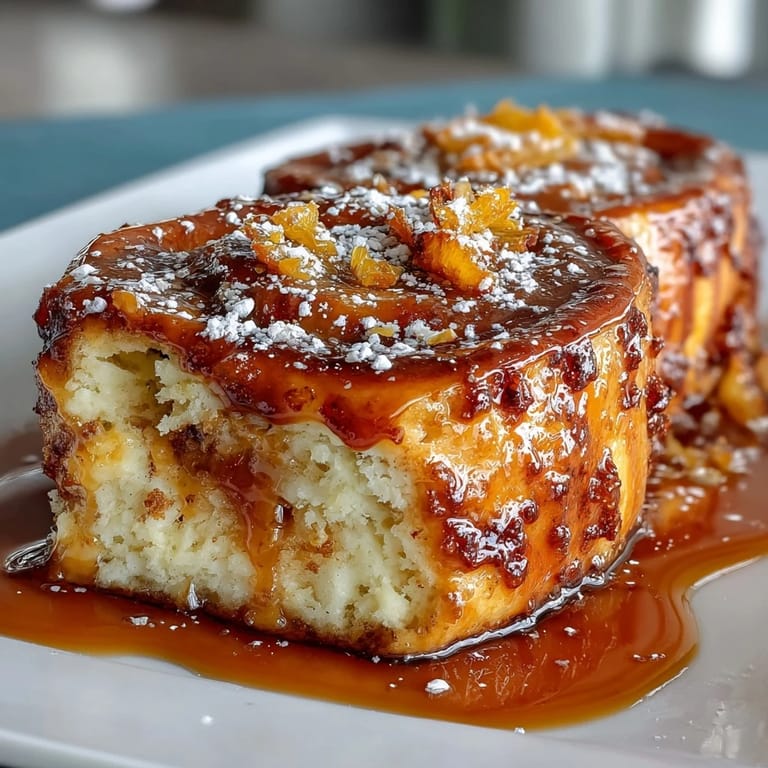
- While the rolls are still in the oven or just out of it, whisk together powdered sugar, fresh orange juice, and a sprinkle of zest until you have a smooth, pourable glaze. Drizzle it over the warm rolls so it soaks in just slightly while the sugar sets.
 Save
Save My daughter came into the kitchen as I was drizzling the glaze and asked if she could have one for lunch at school, and suddenly I realized these rolls had become her comfort food without me even trying. Now whenever she has a tough week, she asks if we can make the orange ones, and I know exactly which Tuesday or Wednesday I'll be mixing dough the night before.
Why Overnight Is Actually Your Friend
The beauty of this method is that you're essentially outsourcing the work to time and cold temperature instead of trying to get everything done in one morning. The dough develops better flavor during that slow overnight fermentation, the structure becomes stronger and more forgiving, and you get to wake up to rolls that practically finish themselves. I've made these rolls after working late and being exhausted, and the overnight method meant I could still produce something that looks like I spent hours in the kitchen when really I just mixed dough before bed.
Variations That Make Sense
Once you understand the basic formula, you can start playing around without breaking anything. Substituting half the milk with fresh orange juice makes the dough itself orange-forward and slightly richer, almost like liquid velvet. A pinch of cardamom in the filling adds this subtle spiced note that somehow makes the orange taste more orange, if that makes sense—it's not obvious, just quietly wonderful.
The Glaze Makes All the Difference
I learned the hard way that a runny glaze is better than a thick one because it seeps into the warm rolls and becomes part of them rather than sitting on top like frosting. The ratio I use is roughly 1 cup powdered sugar to 2 to 3 tablespoons of fresh orange juice, whisked until it pours easily from a spoon. Some people use milk or water, but I'm a purist about this—the orange juice is the whole point, and bottled stuff just won't give you the brightness you're after.
- Don't make the glaze until the rolls are almost done baking so it's at its shiniest when you drizzle it on.
- If your glaze is too thick, add juice one teaspoon at a time until it reaches the right consistency.
- Leftovers warm beautifully in a covered container for a day or two, though honestly they never last that long in my house.
 Save
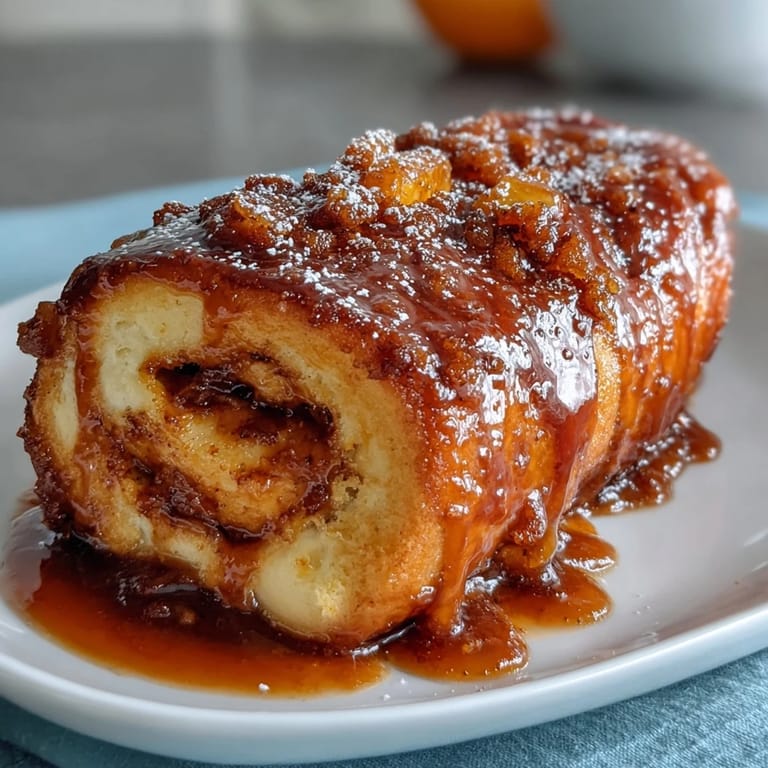
Save These rolls have quietly become the thing I make when I want to feel like a good person, because showing up with warm, fragrant food is one of the few things that still feels unconditionally kind. The overnight method means you can be thoughtful and generous without sacrificing your sleep or your peace of mind.
Recipe FAQs
- → How long should the dough rise before baking?
The dough is refrigerated overnight and then allowed to rest at room temperature for 45–60 minutes before baking to ensure a soft, fluffy texture.
- → Can I substitute orange zest with another citrus?
Yes, lemon or grapefruit zest can be used for a different but equally vibrant citrus flavor.
- → What is the best way to cut the rolls evenly?
Using a sharp knife or dental floss helps cut the rolled dough into uniform pieces without squashing.
- → How can I add extra depth to the filling?
Adding a pinch of ground cardamom to the filling introduces a subtle warm spice that complements the orange zest beautifully.
- → Is it possible to prepare the dough without a stand mixer?
Yes, kneading the dough by hand for 7–8 minutes until smooth and elastic works perfectly well.