 Save
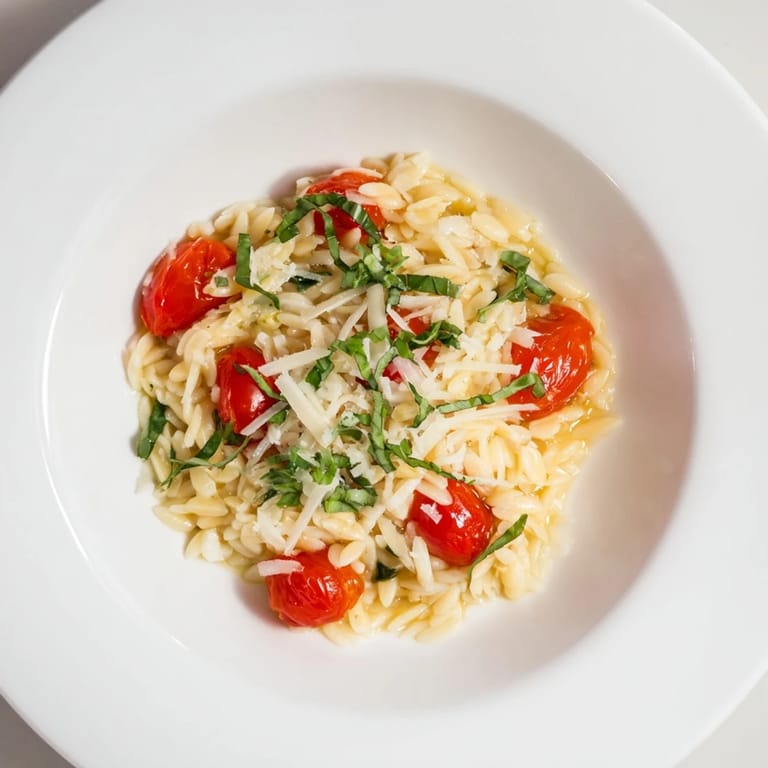
Save There's something almost magical about the moment when cherry tomatoes hit a hot skillet and start to collapse into their own sweet juice. I discovered this dish on an ordinary Tuesday evening when I had exactly these ingredients on hand and about twenty minutes to transform them into something that felt like a small celebration. The way the garlic perfumes the oil, the gentle softening of the tomatoes, and then suddenly you're tossing this cloud of orzo through it all—it became one of those recipes I return to again and again, especially when I want something that tastes effortlessly elegant but requires almost no effort at all.
I made this for my neighbors one summer evening when they stopped by with a bottle of wine, and I had nothing prepared—which somehow became the whole point. Within minutes their kitchen smelled like a Mediterranean coast, and they kept asking what restaurant I'd ordered from. I remember laughing as I pulled out the cheese grater, realizing that fresh Parmesan and a handful of basil had somehow made me look like I knew what I was doing.
Ingredients
- Orzo pasta (250 g): This rice-shaped pasta is the foundation—it cooks quickly and has just enough surface area to catch the tomato juices and olive oil in every bite.
- Cherry tomatoes (300 g, halved): The sweetness matters here; these burst and release their juice rather than turn to mush, creating the body of your sauce.
- Fresh basil (2 tbsp, plus extra): Add it at the very end so it stays bright and aromatic; cooking it down would steal its whole personality.
- Parmesan cheese (60 g, freshly grated): Pre-grated cheese contains anti-caking agents that prevent it from melting smoothly, so always grate it fresh—it makes an actual difference.
- Garlic (2 cloves, finely minced): The first thing that hits the oil, this becomes the flavor backbone that whispers through every forkful.
- Extra-virgin olive oil (3 tbsp total): Quality matters here since there's nowhere for mediocre oil to hide; use one you'd actually taste on bread.
- Pasta cooking water (reserved 1/4 cup): This starchy liquid is your secret weapon for emulsifying everything into a light, creamy coating without any cream.
Tired of Takeout? 🥡
Get 10 meals you can make faster than delivery arrives. Seriously.
One email. No spam. Unsubscribe anytime.
Instructions
- Get your water going:
- Salt your water generously—it should taste like the sea—and bring it to a rolling boil. This is where the flavor journey begins, not at the end.
- Cook the orzo:
- Add the pasta and set a timer for whatever the package says, but start checking a minute before; you want it tender but with just the slightest resistance when you bite it. Drain it, then immediately save a measuring cup of that cloudy water before you forget.
- Awaken the garlic:
- Pour two tablespoons of olive oil into a large skillet over medium heat and let it warm until it shimmers slightly. Add your minced garlic and listen for that gentle sizzle—that's when you know it's ready, usually about thirty seconds.
- Let the tomatoes speak:
- Add the halved cherry tomatoes and resist the urge to stir constantly; let them sit for a minute so the cut sides caramelize slightly. Then stir occasionally for another few minutes until they've softened and begun releasing their juice into the pan, creating something that looks almost like a light sauce.
- Bring it all together:
- Add the cooked orzo to the skillet along with that reserved pasta water, then toss gently for a minute or two until everything is warmed through and the starches have started to thicken the liquid into something silky. This is the magic moment where separate ingredients become one dish.
- Finish with intention:
- Remove from heat, then drizzle in the last tablespoon of olive oil, add most of the Parmesan, scatter in your chopped basil, and season with salt and pepper. Toss everything together until the cheese is distributed and the whole thing looks glossy and unified.
- Serve immediately:
- Plate it while it's still warm, finishing each serving with a little extra Parmesan and a fresh basil leaf, so everyone gets that final reminder of what makes it special.
 Save
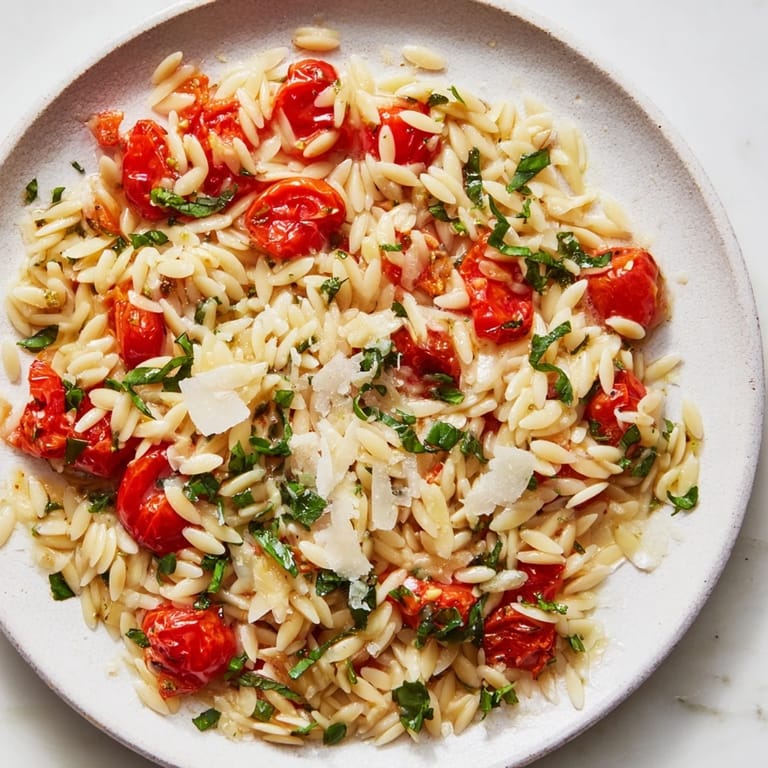
Save What I love most about this recipe is how it proves that simplicity and elegance aren't contradictory—they're the same thing. It became the dish I make when I want to feel like I'm traveling without leaving my kitchen, when I want to remind myself that five minutes of intention can taste like hours of fussing.
Why This Pasta Works
Orzo has this unique ability to absorb flavor while maintaining its own texture; it's not as delicate as a thin pasta or as heavy as a thick one. The shape catches and holds onto the tomato juice and oil in a way that longer pastas simply can't, which means every forkful tastes consistent from the first bite to the last. I've made this with regular spaghetti out of desperation, and while it was fine, it was missing that gentle cling that makes orzo special.
The Art of Softening Tomatoes
The key to this dish is understanding that you're not cooking the tomatoes into submission—you're coaxing them into releasing their juice. Three to four minutes over medium heat is the perfect window where they've warmed through and become soft but haven't collapsed into an unrecognizable puree. The oil in the pan helps them cook evenly, and that initial high heat on the cut side creates a tiny bit of caramelization that adds depth to the flavor.
Variations and Confidence
Once you understand the base of this dish—pasta, tomatoes, heat, oil, cheese—you can move through it with confidence and start playing. A pinch of red pepper flakes in the oil before the garlic adds a subtle warmth, or a handful of fresh spinach that wilts into the tomatoes creates a different kind of richness. Some nights I add a squeeze of fresh lemon juice right before serving, and other times a handful of caramelized onions transforms it into something almost completely different.
- Try adding torn mozzarella at the end for a creamier texture, or scatter it on top after plating for little pockets of melted cheese.
- A small handful of pine nuts toasted in a dry pan adds a luxury element that tastes like you planned the whole thing.
- If you have leftover fresh herbs—mint, oregano, or even a whisper of tarragon—they all deserve consideration before you settle on just basil.
 Save
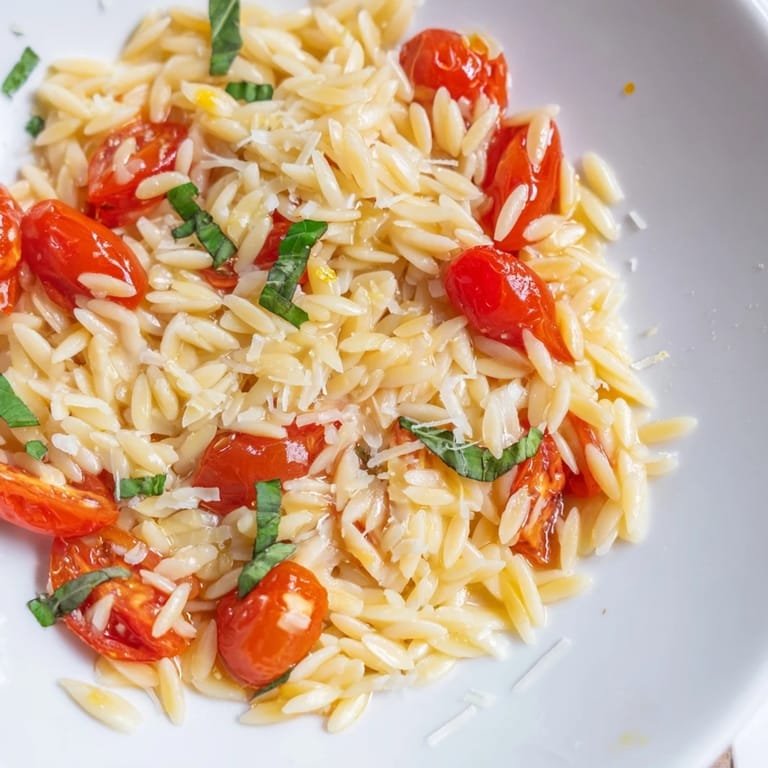
Save This recipe has become my answer to so many kitchen dilemmas—when I'm hungry, when I have people coming over, when I want to cook something that feels like a gift to myself. It's proof that you don't need complicated techniques or rare ingredients to make something that tastes like love.
Recipe FAQs
- → How do I achieve perfectly cooked orzo?
Boil salted water and cook orzo until just al dente, following package guidelines. Drain promptly to avoid overcooking and retain texture.
- → Can I substitute Parmesan with another cheese?
Yes, Pecorino Romano provides a sharper taste, while vegan Parmesan alternatives work for dairy-free options.
- → What is the best way to enhance the tomato flavor?
Lightly sauté halved cherry tomatoes until they soften and release their juices, enhancing sweetness and depth.
- → Are there ways to add greens to this dish?
Sautéed spinach or arugula can be stirred in at the end for extra color, nutrients, and freshness.
- → Which oils are recommended for this dish?
Extra-virgin olive oil is ideal for its fruity flavor and healthy fats, used both for sautéing and finishing.