 Save
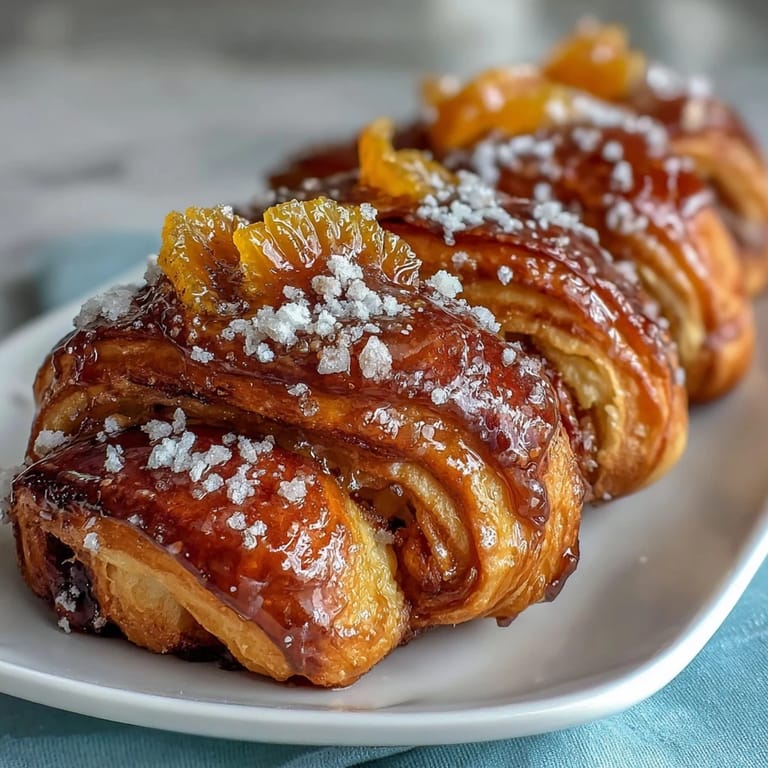
Save My kitchen smelled like a citrus grove last Tuesday when I discovered how brilliantly crescent roll dough transforms into something that tastes homemade but takes almost no time. I was scrambling to put together something special for a friend's surprise breakfast visit, and somehow these little rolls came together so naturally that I wondered why I hadn't made them sooner. The combination of buttery dough, zesty orange filling, and that bright glaze feels fancy enough to impress but honest enough to make on a regular morning when you actually have fifteen minutes to spare.
My sister showed up unannounced one Sunday morning, and instead of the usual coffee-and-toast situation, I had these rolls cooling on the counter. She took one bite and literally closed her eyes, which is how I knew I'd stumbled onto something worth making again and again. That moment of watching someone's face light up over something you made—even if you took a shortcut with the dough—reminds you why cooking matters.
Ingredients
- Refrigerated crescent roll dough (1 can, 8 oz): This is your time-saving secret, and honestly, the quality matters more than you'd expect, so don't grab the bargain brand if you can help it.
- Unsalted butter, softened (2 tbsp): Softened butter spreads evenly and actually bonds with the sugar and zest, creating filling that stays put when you roll.
- Granulated sugar (1/4 cup): This creates the sweet base, and the texture matters—regular granulated works better than superfine here because it holds its texture slightly longer.
- Orange zest (1 tbsp from 1 large orange): This is where the magic lives; use a microplane if you have one because it catches all the oils without the bitter white pith.
- Vanilla extract (1/2 tsp): A small amount rounds out the flavor, making the orange feel richer somehow without tasting like vanilla.
- Powdered sugar (1/2 cup): For the glaze, sift it if you have time because lumps will fight you when you're trying to drizzle.
- Fresh orange juice (1–2 tbsp): Start with 1 tablespoon and add more gradually so your glaze doesn't turn into soup; bottled works fine if fresh isn't available.
- Orange zest for garnish (1/2 tsp, optional): This final sprinkle adds visual brightness and an extra whisper of flavor right before serving.
Tired of Takeout? 🥡
Get 10 meals you can make faster than delivery arrives. Seriously.
One email. No spam. Unsubscribe anytime.
Instructions
- Heat your oven and prep your pan:
- Get the oven to 375°F while you line a baking sheet with parchment paper or lightly grease a mini muffin tin—this step takes thirty seconds but saves you from frustrated scraping later.
- Unroll and seal the dough:
- Unroll that crescent dough on a clean surface and pinch all those perforations together to create one continuous rectangle; this keeps the rolls from separating as they bake and gives you that cohesive, bakery-style look.
- Mix your filling:
- In a small bowl, combine softened butter, granulated sugar, orange zest, and vanilla until it looks like wet sand with flecks of bright orange throughout. The texture should be spreadable but not runny.
- Spread the filling:
- Evenly distribute that orange mixture across the entire dough rectangle using the back of a spoon or a small spatula; you want coverage but not so much that it leaks out when you roll.
- Roll it up:
- Starting from the longer side, roll the dough tightly toward you, creating a log that feels firm but not so compressed that you're crushing the air out of it. Tightness matters here because loose rolls will unwind during baking.
- Slice into pieces:
- Using a sharp knife, slice the log into 12 equal pieces; a gentle sawing motion works better than pressing down, which can squash the spiral you just created.
- Arrange and bake:
- Place the rolls cut-side up on your prepared surface—this is important because it lets the spiral show and ensures even browning on all sides. Bake for 13 to 15 minutes until the edges turn golden brown and the kitchen smells like citrus heaven.
- Make the glaze while they bake:
- Whisk together powdered sugar and orange juice, adding the juice slowly until you reach a pourable consistency that coats the back of a spoon. Stir in optional zest if you want that final citrus punch.
- Cool and glaze:
- Let the rolls cool for about 5 minutes—this keeps the glaze from running off completely but allows it to seep into the warm pastry. Drizzle generously and serve while they're still warm enough to feel special.
 Save
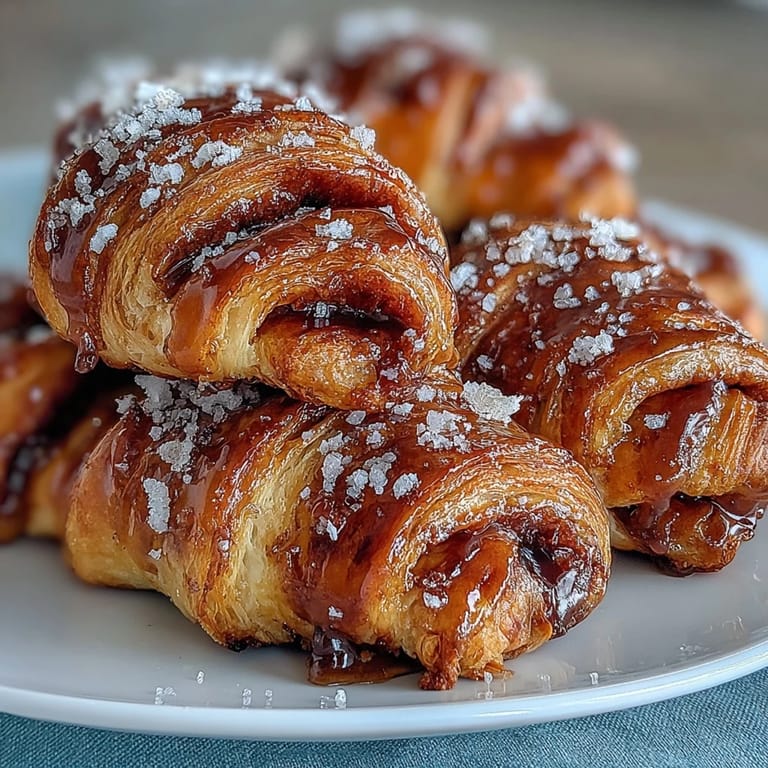
Save There's something almost magical about taking something as humble as a tube of crescent rolls and turning it into something that tastes intentional and special. My nephew asked if I'd bought these from a bakery, and when I told him it took less time than his favorite cereal takes to get soggy, he demanded I teach him—which meant we've now got a standing Sunday morning tradition of making these together.
Why Orange and Why Now
Orange zest is one of those ingredients that sits in your kitchen doing nothing until one afternoon when you realize it completely transforms ordinary things into something bright and memorable. Citrus has this ability to wake up your mouth first thing in the morning, making these rolls feel less like indulgence and more like a gentle celebration of flavor. There's also something about making these rolls that feels seasonal even though they work beautifully year-round.
The Art of the Crescent Roll Upgrade
Every cook eventually discovers that crescent roll dough is less of a shortcut and more of a blank canvas waiting for your creativity. I've learned that the magic isn't in abandoning traditional baking—it's in understanding when convenience and quality actually align, and this recipe is exactly that moment. These rolls prove you don't need to spend three hours to create something that tastes like it took intention.
Variations and Personal Touches
Once you nail the basic technique, this recipe practically begs for experimentation and personal flair. I've tried adding a pinch of cardamom to the filling, a swirl of honey in the glaze, and even a scattered handful of toasted coconut flakes on top. The foundation is strong enough that it welcomes your creativity without falling apart.
- For a nutty twist, sprinkle chopped pecans or walnuts over the filling before rolling to add texture and earthiness against the bright citrus.
- Add a few drops of orange extract to the glaze if you want extra citrus punch without using more juice and throwing off the consistency.
- Store any leftovers in an airtight container for up to 2 days, though honestly they rarely last that long once people discover them in your fridge.
 Save
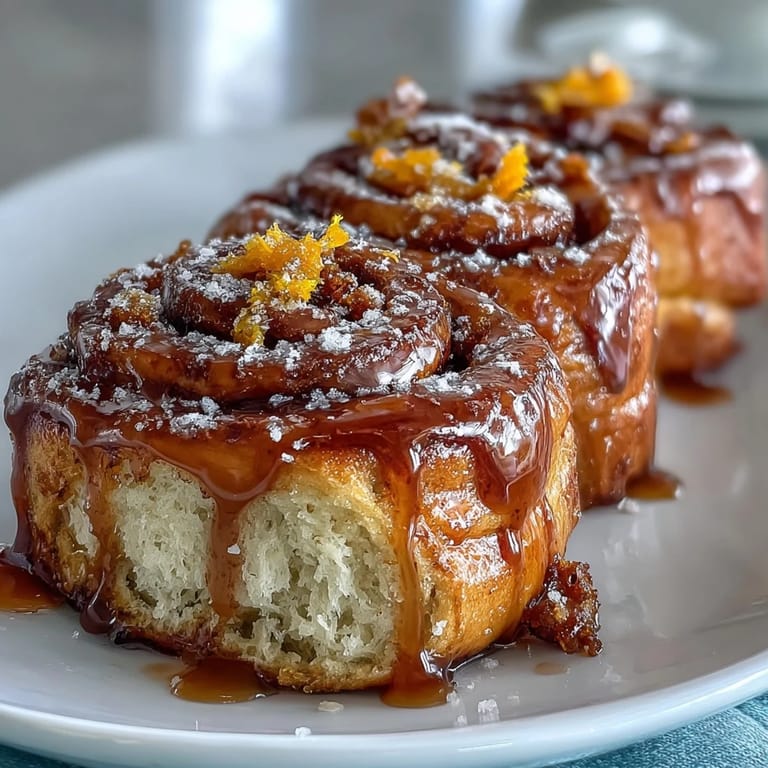
Save These mini orange rolls have quietly become the thing I make when I want to feel proud of breakfast without actually stressing about it. They're the kind of recipe that reminds you that cooking isn't about complexity—it's about paying attention to flavor and enjoying the moment when someone bites into something warm and tastes your care.
Recipe FAQs
- → What type of dough is used for these rolls?
Refrigerated crescent roll dough is used, offering a quick and easy base that bakes up soft and flaky.
- → How is the orange flavor incorporated?
The filling combines orange zest with butter, sugar, and vanilla for a bright, tangy sweetness throughout the roll.
- → Can I add nuts to the rolls?
Yes, adding chopped pecans or walnuts to the filling before rolling offers a pleasant nutty texture and flavor.
- → How is the glaze prepared?
A simple glaze of powdered sugar mixed with fresh orange juice and optional zest is drizzled over warm rolls for a fragrant finish.
- → What is the best way to serve these rolls?
Serve warm shortly after glazing to enjoy the soft texture and fresh citrus notes at their peak.