 Save
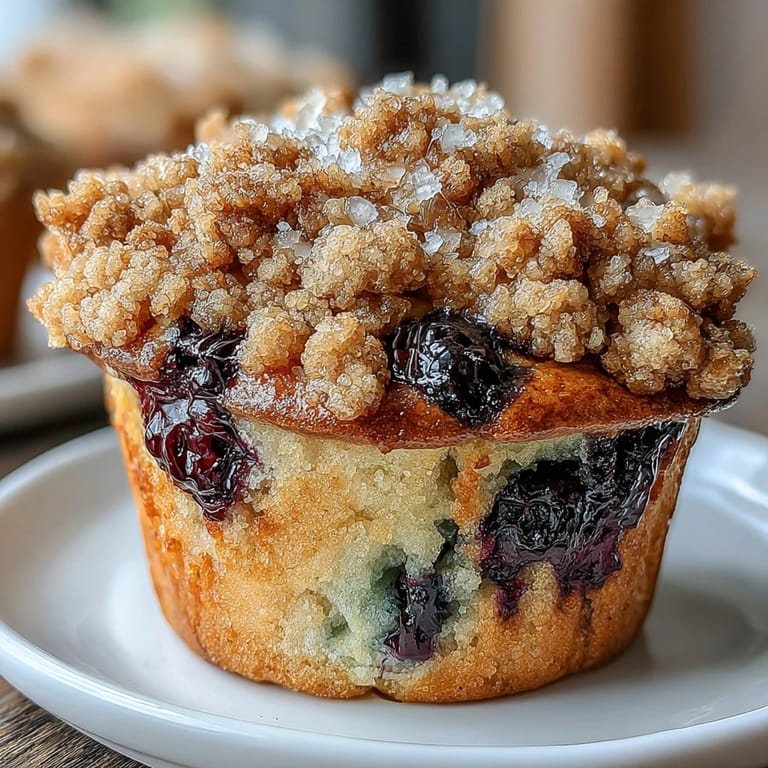
Save There's something about having a jar of sourdough discard in the fridge that makes you feel both resourceful and slightly guilty. One Saturday morning, staring at my bubbly starter overflow, I decided these tangy muffins were the answer, and the way the lemon brightness played against that subtle fermented depth completely changed how I think about breakfast. My kitchen filled with the most unexpected smell—tart and sweet and somehow comforting all at once. These muffins became my solution to the question I ask myself every weekend: what can I bake that tastes special without feeling like work?
I brought a batch to a neighborhood potluck last spring, tucked into a basket with a tiny card explaining the sourdough secret, and watched them disappear within minutes while everyone debated which flavor dominated. A friend pulled me aside later saying she'd never thought about using her sourdough starter waste for anything but bread, and suddenly we were both texting sourdough baking ideas back and forth. That moment reminded me how a simple recipe can spark something between people who share the same kitchen quirks.
Ingredients
- All-purpose flour (1 cup, 120 g): This builds structure, and I've learned that measuring by weight instead of scooping prevents the dense, heavy muffin nightmare.
- Whole wheat flour (1 cup, 125 g): It adds nuttiness and keeps things tender when balanced with the right amount of moisture, which sourdough discard provides beautifully.
- Granulated sugar (1 cup, 200 g): Don't skimp here because it balances the tang from the lemon and discard while helping the muffins stay soft.
- Baking powder (1 tsp) and baking soda (1/2 tsp): Baking soda reacts with the acidic sourdough to lift these muffins, while baking powder is your backup for reliable rise.
- Salt (1/2 tsp): It makes everything taste more like itself, especially when you're already working with fermented flavors.
- Eggs (2 large): These bind everything and create that tender crumb that keeps people reaching for seconds.
- Vegetable oil or melted butter (1/2 cup, 120 ml): Oil keeps these muffins impossibly moist; butter works too, but oil is my preference for days-long softness.
- Sourdough discard (1 cup, 240 g): Unfed discard is key—it's thick and funky and full of personality, transforming ordinary muffins into something with actual depth.
- Whole milk (1/2 cup, 120 ml): This lightens the batter and ensures the crumb stays tender rather than dense or crumbly.
- Vanilla extract (1 tsp): A small but essential touch that rounds out the flavor profile without announcing itself.
- Lemon zest (from 1 large lemon): Fresh zest is absolutely non-negotiable; bottled won't give you that bright, floral brightness.
- Lemon juice (2 tbsp): This amplifies the citrus and subtly brightens the tang from the sourdough.
- Fresh or frozen blueberries (1 1/2 cups, 225 g): Frozen berries are your secret weapon—they don't weep into the batter and release their juice, keeping your muffins beautifully speckled rather than stained.
- All-purpose flour for topping (1/2 cup, 65 g): This is the crumb base and it needs to stay coarse and buttery.
- Light brown sugar (1/3 cup, 65 g): It dissolves slightly into the butter, creating that signature crumb texture that's neither cake-like nor granular.
- Unsalted butter, cold and cubed (1/4 cup, 60 g): Cold butter is everything here; it creates those little pockets that bake into tender crumbs instead of melting into a paste.
- Lemon zest for topping (from 1/2 lemon): One more whisper of lemon on top makes people pause and ask what that brightness is.
Tired of Takeout? 🥡
Get 10 meals you can make faster than delivery arrives. Seriously.
One email. No spam. Unsubscribe anytime.
Instructions
- Set the stage:
- Preheat your oven to 375°F and line your muffin tin with paper liners or give each cup a light grease. Cold tins create muffins with flat bottoms; paper liners let them rise more freely.
- Build your dry base:
- In a medium bowl, whisk together both flours, sugar, baking powder, baking soda, and salt until the mixture looks evenly combined and there are no baking soda lumps hiding in the corners. This is your foundation, so spend thirty seconds here.
- Combine the wet ingredients:
- In a large bowl, whisk your eggs with oil, sourdough discard, milk, vanilla, lemon zest, and lemon juice until everything looks cohesive and the discard breaks down into the mixture. You want no streaks of unmixed discard; it should look almost uniform in color.
- Gently fold the two together:
- This is where patience matters—gradually add the dry mixture to the wet and fold with a spatula using about fifteen gentle strokes until you see no flour streaks. Stop immediately; overmixing creates tough, tunnel-filled muffins that taste dense and slightly rubbery.
- Add the blueberries:
- Fold in your frozen blueberries last, using just three or four more gentle strokes to distribute them evenly without crushing them or creating streaks of juice in the batter.
- Fill the cups:
- Divide batter evenly among all twelve cups, filling each about three-quarters full to give the muffins room to dome beautifully as they rise without overflowing into your oven.
- Make the crumb topping:
- In a small bowl, combine flour, brown sugar, cold cubed butter, salt, and lemon zest. Using your fingertips or a pastry cutter, work the butter into the dry ingredients until everything resembles coarse breadcrumbs with some pea-sized pieces of butter still visible. This texture is what bakes into those golden, crunchy crumbs.
- Crown each muffin:
- Sprinkle crumb topping generously over each muffin, using your hands to press it down slightly so it adheres to the wet batter and doesn't slide off during baking.
- Bake until golden:
- Slide into your preheated oven for twenty-two to twenty-five minutes; they're done when the tops are deep golden brown and a toothpick inserted into the center comes out clean with just a few moist crumbs clinging to it. If you see the tops browning too quickly before the centers set, cover loosely with foil.
- Cool with intention:
- Let muffins rest in the tin for five minutes so they firm up enough to handle, then transfer to a wire rack where air can circulate around them and prevent soggy bottoms. Eating them warm from this rack is the real moment.
 Save
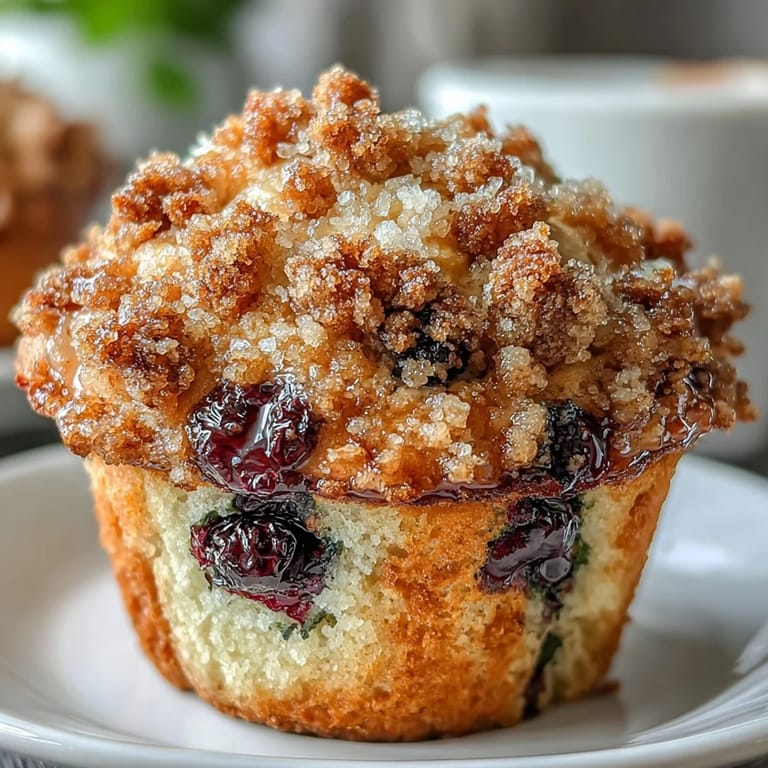
Save Last month, a friend's eight-year-old bit into one of these muffins at breakfast and asked why it tasted like sunshine with a surprise at the end, and I realized she'd perfectly described that unexpected fermented depth that makes sourdough discard such a secret weapon. Moments like that are why I keep baking these.
Why Sourdough Discard Belongs Here
Using sourdough discard isn't just about zero waste; it's about flavor complexity you simply can't replicate with regular ingredients. The wild yeast and bacteria create a subtle tanginess that plays beautifully against bright lemon and sweet berries, adding depth without dominating. I've made these muffins with plain yogurt as a substitute when I'm between starters, and they're fine, but they taste like what they are—muffins. With sourdough discard, they taste like they have a story.
The Science of Staying Moist
These muffins stay tender for days because sourdough discard adds both acidity and moisture in a way that balances the flour without creating a wet mess. The combination of whole wheat flour with all-purpose creates a crumb structure that's sturdy enough to hold blueberries evenly while remaining soft enough that a three-day-old muffin still feels fresh when you bite into it. If you've ever had muffins turn into hockey pucks by day two, this is your answer.
Variations and Flexibility
While lemon and blueberry is my gold standard, I've experimented with countless versions depending on what I have on hand. Raspberries work beautifully if you prefer something more delicate, or you can swap the lemon for orange zest and juice for a totally different personality. The whole wheat flour can be replaced entirely with all-purpose if you prefer a lighter, more tender crumb, though you'll lose a bit of that earthy undertone.
- Add half a cup of chopped pistachios or almonds to the crumb topping for a nutty crunch that pairs unexpectedly well with the lemon.
- If you're not a huge blueberry person, try substituting with blackberries or a combination of both berries for more visual interest.
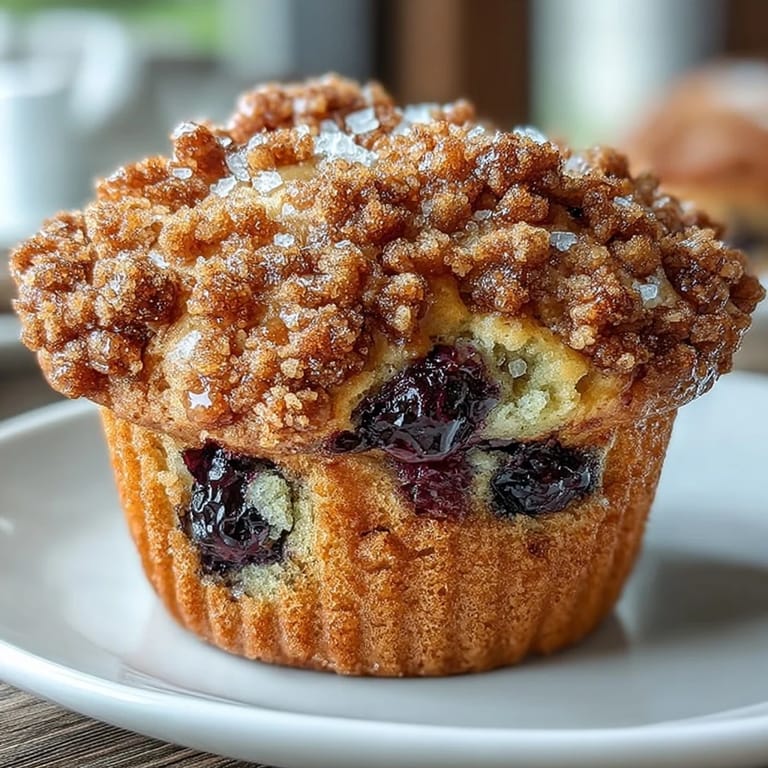
- A tiny sprinkle of coarse sugar over the crumb topping before baking adds a crystalline sweetness and texture contrast that feels fancy but requires zero extra effort.
 Save
Save These muffins have become my answer to the question of how to make something taste intentional and special without spending half your day in the kitchen. Every time I mix a batch, I'm grateful my sourdough starter gave me a reason to bake them.
Recipe FAQs
- → How does sourdough discard affect the texture?
Sourdough discard contributes a moist, tender crumb and subtle tanginess, enhancing depth and softness in the muffins.
- → Can I use frozen blueberries in the batter?
Yes, frozen blueberries can be used directly without thawing to prevent excessive color bleed and keep the batter vibrant.
- → What can I substitute for whole wheat flour?
All-purpose flour can be used in place of whole wheat to create a lighter, softer texture.
- → How do I make the crumb topping?
Mix flour, brown sugar, cold butter, salt, and lemon zest until it resembles coarse crumbs, then sprinkle over muffin batter before baking.
- → Is it better to serve these muffins warm or cooled?
They are delicious warm with butter, but also hold their flavor and texture well when cooled.