 Save
Save I stumbled onto these cottage cheese cheesecake cups on a Tuesday morning when my usual Greek yogurt was expired and I was determined not to waste the eggs sitting in my fridge. The cottage cheese felt like a desperate substitute at first, but blending it smooth with yogurt created something unexpectedly luxurious—creamy, tangy, protein-packed, and nothing like the lumpy cottage cheese I'd avoided for years. Now they're my go-to when I want dessert that doesn't feel like I'm cheating on my fitness goals.
I made a batch for my roommate who kept asking why I wasn't sharing my afternoon snacks, and watching her reaction when I told her they were high-protein completely changed how I thought about the recipe. She expected dense or rubbery, but instead found something soft and almost indulgent—the kind of thing you'd order at a fancy cafe, not pull from your own oven. That moment made me realize this wasn't just a healthy hack; it was actually good.
Ingredients
- Almond flour: Use blanched for the smoothest, finest crumb—the unblanched version can feel slightly gritty if you're sensitive to texture, which I learned the hard way.
- Coconut oil: It keeps everything moist and adds subtle richness without overpowering the cheesecake flavor.
- Honey or maple syrup: Just enough to bind the base and add a whisper of sweetness where it matters most.
- Low-fat cottage cheese: The secret weapon—blended until completely smooth, it disappears into something creamy and sophisticated.
- Greek yogurt: Keeps the protein count high while preventing the filling from becoming too dense or egg-forward in taste.
- Eggs: They're what transforms this from a mousse into something that sets with structure and holds together perfectly.
- Cornstarch: Just enough to give the filling body without making it starchy or weird.
- Granulated sweetener: Erythritol works best because it dissolves without grittiness, though regular sugar works if you don't mind a slightly less clean taste.
- Vanilla extract: A full teaspoon because you want it to sing through every bite.
- Lemon zest: Optional but honestly essential—it brightens everything and keeps the filling from feeling one-dimensional.
Tired of Takeout? 🥡
Get 10 meals you can make faster than delivery arrives. Seriously.
One email. No spam. Unsubscribe anytime.
Instructions
- Heat your oven and prep your stage:
- Preheat to 175°C (350°F) and line a muffin tin with silicone or paper liners—silicone is easier to release from, but paper works fine if that's what you have.
- Build the base:
- Mix almond flour, melted coconut oil, honey, and salt until it feels like wet sand, then press it firmly into each liner so it stays put during baking. Don't skip the pressing—a loose base will shift when you pour the filling.
- Smooth the cottage cheese:
- Blend cottage cheese and Greek yogurt in a food processor until there are absolutely no lumps—this is the moment that changes everything, so take your time and listen for when the sound shifts from chunky to smooth.
- Create the filling:
- Add eggs, cornstarch, sweetener, vanilla, and lemon zest to the blended mixture and blend again until it's silky and pale. If you're worried about overblending, you're not—you want this completely smooth.
- Fill and bake:
- Divide the filling evenly among the cups and bake for 18–22 minutes until the tops are set but still have a slight wobble in the very center when you gently shake the tin. This wobble means you're catching them at peak creaminess.
- Cool and chill:
- Let them cool to room temperature on the counter, then refrigerate for at least 30 minutes before eating—they'll set further and taste even better cold.
- Top if you're feeling fancy:
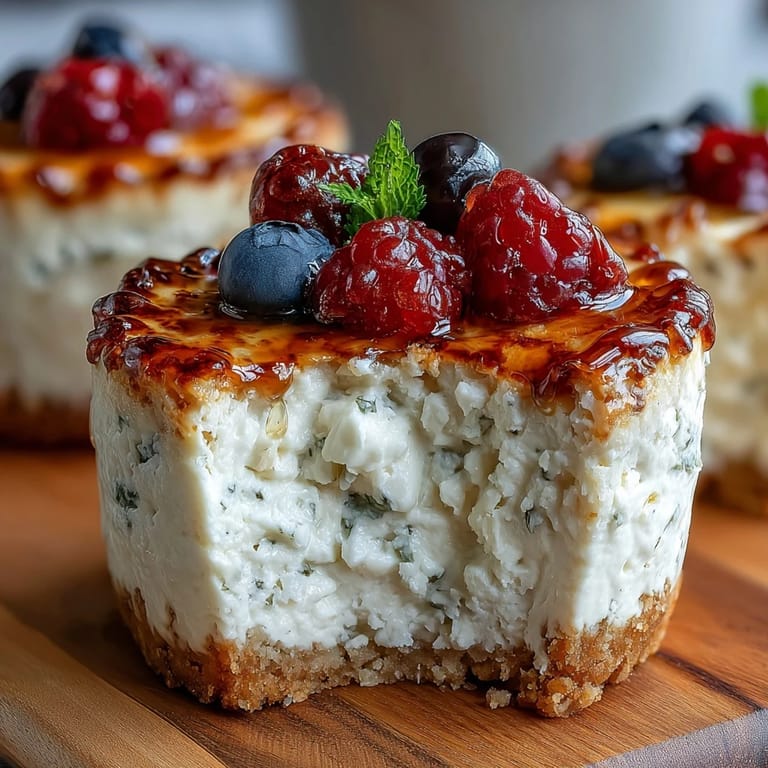
- Fresh berries and a tiny drizzle of honey turn these from snack into dessert moment.
 Save
Save My friend texted me three days after I gave her a container asking for the recipe because she'd already eaten five of the six. That's when I knew I'd created something that transcends the "healthy" category—it was just genuinely delicious, and people wanted it for the taste, not the macros.
The Cottage Cheese Transformation
Most people think cottage cheese belongs in savory salads or eaten straight from the container as a quick protein source, but blending it changes its entire identity. The curds disappear, and what emerges is something closer to the creaminess of ricotta or mascarpone, but with better protein content and a subtle tang that prevents sweetness from becoming cloying. Once you realize cottage cheese can be luxurious, you start seeing it differently in the kitchen.
Why The Base Matters
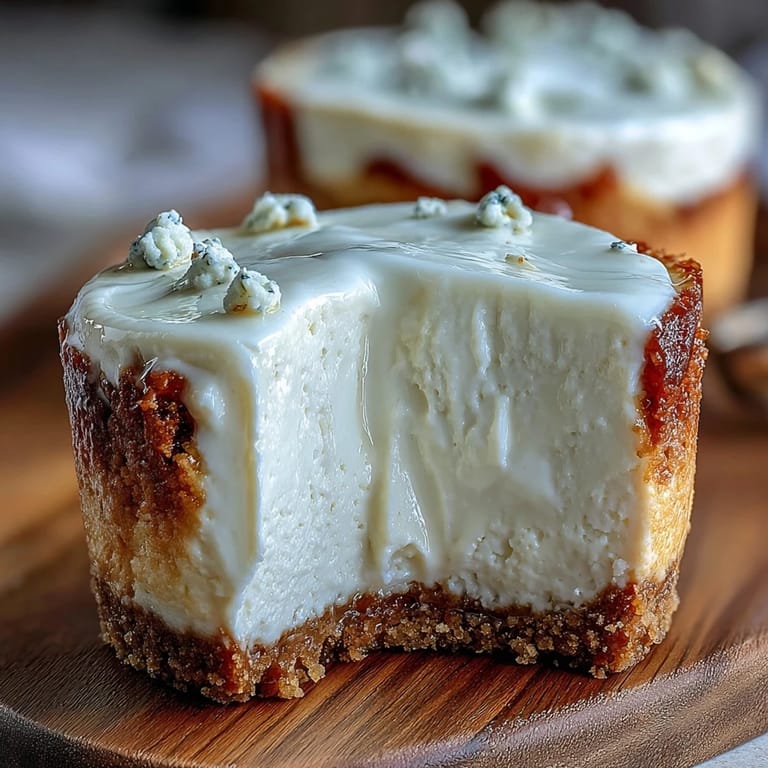
The almond flour base might seem like a small detail, but it's what separates these from being creamy cups to being something textured and complete. When you bite through the crispy, slightly nutty base into the soft filling, there's a moment of contrast that makes your brain register this as dessert instead of just protein pudding. I've tried skipping it out of laziness, and the whole experience flattens.
Storage, Flexibility & When To Serve Them
These keep beautifully in the fridge for up to 5 days, making them perfect for Sunday meal prep when you want something sweet waiting for you mid-week. They travel well in their liners, stack neatly in containers, and taste just as good cold straight from the fridge as they do at room temperature. The filling actually firms up more after sitting overnight, which some people prefer over the fresh-baked softness.
- For a nut-free version, swap the almond flour for oat flour and accept that the base will be slightly softer and less crispy.
- Try swirling a spoonful of berry compote into each cup before baking for flavor that bakes in instead of sitting on top.
- If you're lactose-sensitive, lactose-free cottage cheese and yogurt work perfectly without changing the texture or taste.
 Save
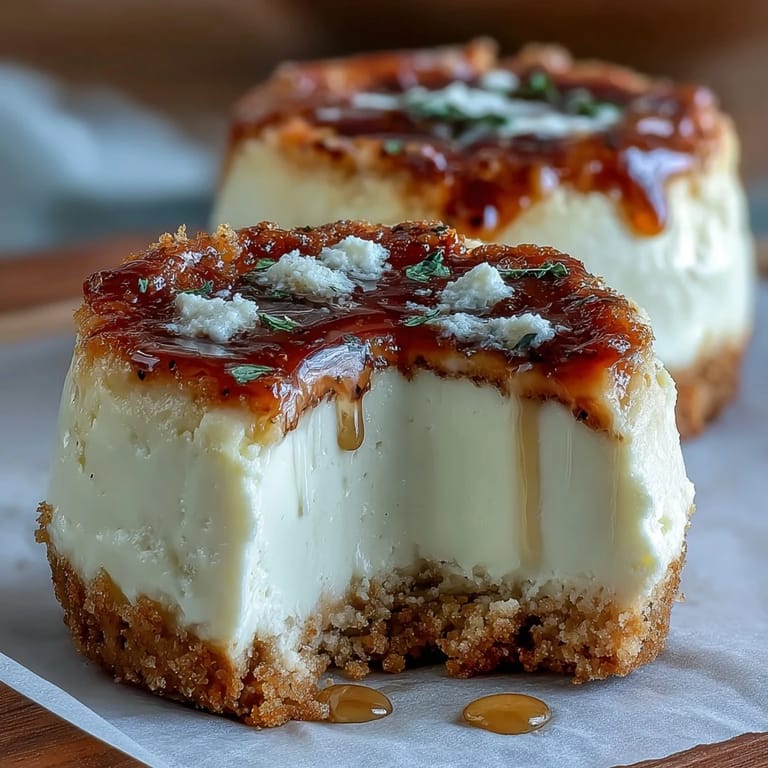
Save These cups are proof that healthy eating doesn't require sacrificing flavor or texture, and that sometimes the best discoveries come from working with what's in your fridge instead of what the recipe calls for. Make a batch this week and taste the difference yourself.