 Save
Save My kitchen smelled like a cinnamon roll factory the afternoon I first attempted these bagels, except the aroma had this unexpected protein-powder undertone that made me laugh out loud. A friend had challenged me to make bagels that wouldn't leave me hungry two hours later, and I found myself standing at my counter with Greek yogurt in one hand and bread flour in the other, wondering if I was about to create something brilliant or magnificently chewy in all the wrong ways. Turns out, that creamy yogurt became the secret to bagels that stayed tender even after a day in the fridge, while the raisins and cinnamon kept things feeling indulgent.
I brought a batch to my running club's weekend meet, and watching people bite into these while discussing their 10K times made me realize food tastes better when it actually fuels you instead of making you feel sluggish. One of my teammates asked for the recipe right there on the trail, which felt like the highest possible compliment.
Ingredients
- Bread flour (3 cups): This is where your bagel's chew comes from, and it's non-negotiable if you want that authentic dense-but-tender texture that sets homemade bagels apart.
- Vanilla or plain whey protein powder (1 cup): Choose one that tastes neutral or slightly sweet; I learned the hard way that flavored powders can turn your bagels into something that tastes like a gym shake.
- Ground cinnamon (2 tsp): Toast it lightly in a dry pan before adding to the dough if you want the flavor to feel more vibrant and less like an afterthought.
- Granulated sugar (2 tbsp): Just enough to feed the yeast and hint at sweetness without making these dessert bagels.
- Instant dry yeast (2 1/4 tsp): Check your expiration date; stale yeast is the silent killer of bagel dreams.
- Salt (1 tsp): Don't skip this; it controls fermentation and makes every other flavor pop.
- Plain Greek yogurt (1 cup): Full-fat, not non-fat, makes all the difference in tenderness and crumb structure, trust me on this one.
- Warm water (1/2 cup): Too hot kills yeast, too cold and nothing rises; aim for that warm-bath temperature around 110°F.
- Raisins (3/4 cup): Soak them in warm water for 5 minutes before adding if you want them plump and soft rather than chewy.
- Water for boiling (2 quarts): This bath is what gives bagels their signature shiny crust and slight chew on the outside.
- Honey or barley malt syrup: Optional but adds a subtle shine and slightly chewy exterior that photographs beautifully.
- Egg wash and cinnamon sugar: The finishing touch that makes these feel intentional and special.
Tired of Takeout? 🥡
Get 10 meals you can make faster than delivery arrives. Seriously.
One email. No spam. Unsubscribe anytime.
Instructions
- Mix your dry team:
- Whisk together flour, protein powder, cinnamon, sugar, yeast, and salt in a large bowl until everything is evenly distributed and there are no streaks of protein powder hiding in the flour. This step takes longer than you'd think but prevents uneven texture in your final bagels.
- Bring wet and dry together:
- Add Greek yogurt and warm water, stirring with a spoon until the mixture looks like a shaggy, slightly sticky mess that's ready to be kneaded. Don't worry if it seems rough; kneading transforms it completely.
- Knead into submission:
- By hand or with a stand mixer and dough hook, knead for 8 to 10 minutes until the dough becomes smooth, elastic, and springs back when you poke it. Your shoulders might feel it if you're doing this by hand, but that's honest work.
- Fold in the raisins:
- Add raisins and knead briefly, just until they're evenly scattered throughout the dough without getting crushed. This takes maybe a minute and completely changes the eating experience.
- Let time do its job:
- Place dough in a lightly greased bowl, cover it, and set it in a warm spot for 1 hour until it doubles in size. A spot near a sunny window or on top of your preheating oven works perfectly.
- Shape your bagels:
- Punch down the risen dough, divide it into 8 pieces, roll each into a ball, poke a hole through the center, and gently stretch it into a bagel shape with a 2-inch hole. This is the satisfying part where they finally look like the bagels you imagined.
- Second rise:
- Place shaped bagels on parchment paper, cover loosely, and let them rest for 15 minutes while you get the oven heating and water boiling.
- Get water ready:
- Bring 2 quarts of water to a gentle boil and stir in honey if using; this liquid is what gives bagels their distinctive exterior. Don't skip the honey; it really does make a difference in that subtle shine.
- The boil, the heart of bagel magic:
- Working in batches of 2 to 3, gently lower bagels into boiling water and boil for exactly 1 minute per side, then fish them out with a slotted spoon. You'll hear a gentle hiss and see them float; that's when you flip and count another minute.
- Finish strong:
- Brush the tops with beaten egg and sprinkle with cinnamon sugar if you want them to look as good as they taste. This step is optional but takes 30 seconds and makes them feel restaurant-worthy.
- Bake until golden:
- Bake at 425°F for 20 to 25 minutes until the tops are golden brown and they sound hollow when you tap them. They'll continue to firm up as they cool, so don't overbake them into hard little discs.
- Patience pays off:
- Let bagels cool completely on a wire rack before eating; they finish setting up during this time and taste infinitely better than straight-from-the-oven versions.
 Save
Save My sister called while I was bagging these to freeze, and when I told her they had 14 grams of protein each, she actually said yes to taking a batch home instead of ordering delivery. That moment when your homemade food changes someone's actual eating habits feels pretty incredible.
Why Greek Yogurt Changes Everything
Most bagel recipes use water and maybe an egg, which creates that tough, chewy exterior that leaves your jaw working overtime. Adding Greek yogurt introduces moisture and fat that makes the crumb tender and almost custardy, while the protein powder doesn't just boost nutrition but actually affects how gluten develops during kneading. The first time I bit into one of these compared to my previous bagel attempts, I understood why this ingredient felt like a secret weapon.
The Raisin Question
Those dark little bursts of sweetness are optional only in the technical sense; they're really what transforms these from protein-boosted bread into something you actually want to eat on purpose. If raisins aren't your thing, dried cranberries add brightness, chopped dates bring caramel notes, or you can skip mix-ins entirely and serve them with cream cheese and cinnamon honey instead.
Serving and Storage
These bagels are best eaten the day you make them, still slightly warm, maybe with Greek yogurt and honey or almond butter melting into the tender crumb. If you do make ahead, they freeze beautifully for up to three weeks; just slice them, bag them, and pop them in the toaster whenever hunger strikes.
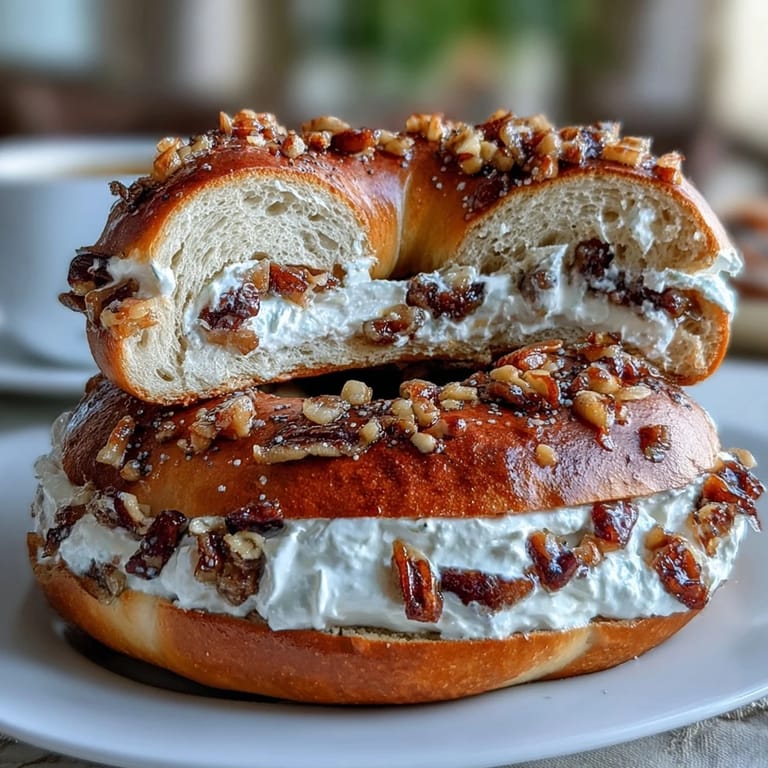
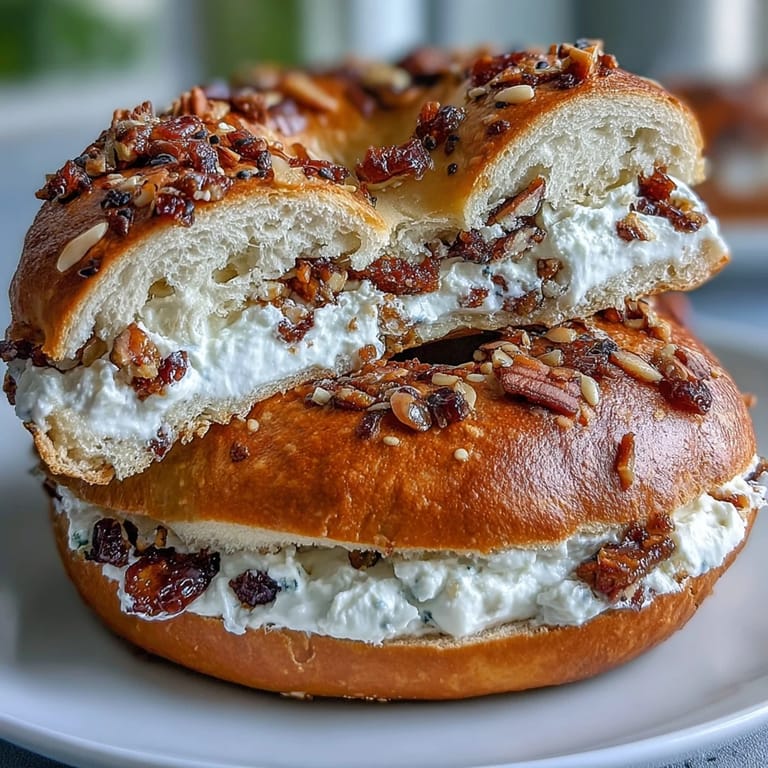
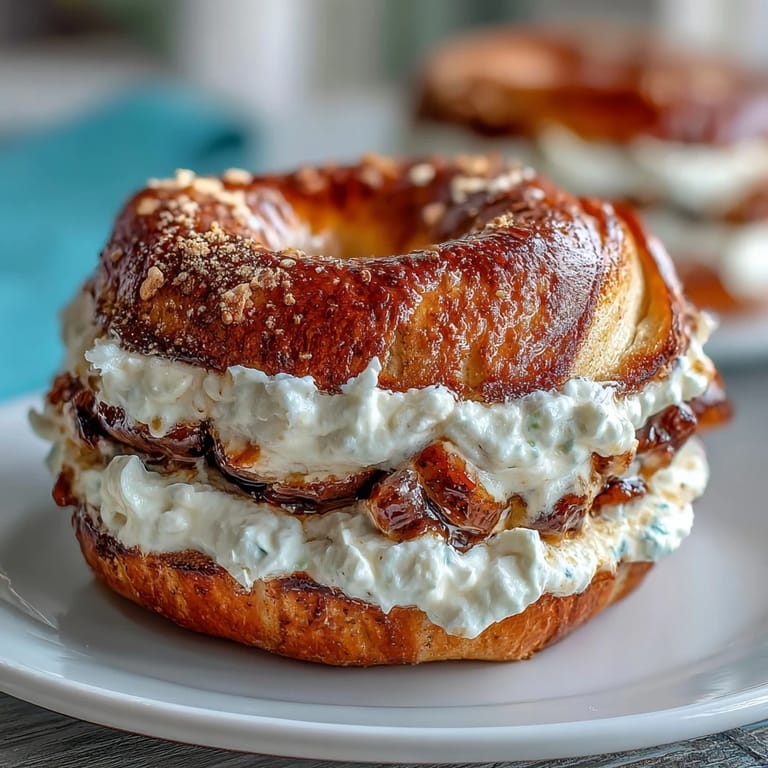
- Cream cheese or ricotta with a drizzle of honey is the no-brainer topping that plays perfectly with the cinnamon raisins.
- These work surprisingly well as a post-workout snack since the protein and carbs hit that recovery window sweet spot.
- If you're meal-prepping, these stay good in the fridge for three days in an airtight container, or frozen for a month.
 Save
Save Making these bagels became my answer to meal-prep Sundays, turning Sunday morning into something that felt productive and delicious at the same time. There's something deeply satisfying about pulling homemade bagels from the oven knowing exactly what went into them and what they'll do for your body.
Recipe FAQs
- → What makes the bagels chewy?
The combination of kneading the dough thoroughly and boiling before baking gives the bagels their characteristic chewy texture.
- → How does Greek yogurt affect the dough?
Greek yogurt adds moisture and tenderness, contributing to a soft interior while enhancing the dough's elasticity.
- → Can I substitute raisins with other dried fruits?
Yes, dried cranberries or chopped dates can be used to vary the flavor while maintaining sweetness.
- → Why boil the bagels before baking?
Boiling sets the bagel’s crust, helping create a shiny, firm exterior that bakes to a golden finish.
- → Is it necessary to use an egg wash?
Egg wash is optional; it enhances browning and shine but can be skipped for a matte finish.