 Save
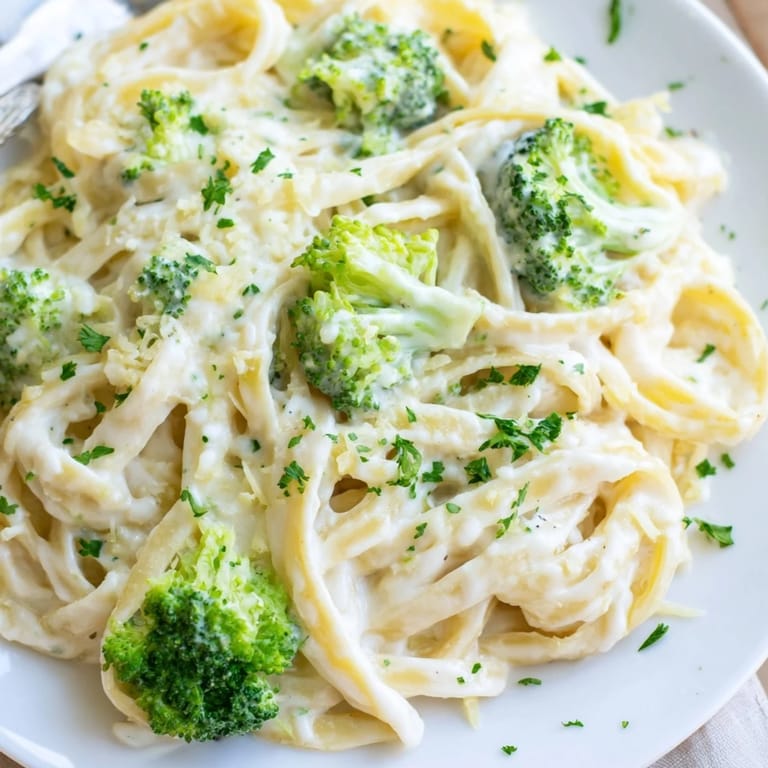
Save There's something magical about the way cream cheese transforms into silk when it meets a hot pan and fragrant garlic. I discovered this pasta on a Tuesday night when I had leftover cream cheese staring at me from the fridge and absolutely no inspiration for dinner. Ten minutes and one happy accident later, I'd created something so creamy and comforting that it's become my go-to when I want restaurant-quality food without the fuss. The broccoli snuck in because I had it on hand, but it became the perfect textural foil to all that luxurious sauce.
I remember making this for my neighbor after her kitchen flooded, and I watched her face light up when she tasted it. She kept asking what restaurant I'd ordered from because she couldn't believe I'd made it in my own kitchen. That moment taught me that simple, honest cooking has real power—it's not about complexity or fancy techniques, it's about how it makes people feel.
Ingredients
- Pasta: 350 g (12 oz) penne or fettuccine works beautifully, though I've used whatever shape was in the cabinet and never regretted it.
- Broccoli florets: 300 g (10 oz) gives you those tender, caramelized edges when cooked with the pasta—don't skip this textural element.
- Olive oil: 2 tbsp is your foundation; use something you actually enjoy tasting since it won't be cooked off.
- Garlic cloves: 4 large cloves, minced, though I often add more because I'm that person.
- Cream cheese: 225 g (8 oz) softened to room temperature makes the difference between lumpy sauce and silky dreams.
- Milk: 120 ml (½ cup) loosens the sauce to the perfect consistency; warm it slightly if you have time.
- Grated Parmesan cheese: 60 g (½ cup) adds nutty depth and prevents the sauce from feeling one-dimensional.
- Black pepper: ¼ tsp freshly ground, because pre-ground tastes like cardboard in comparison.
- Salt: ½ tsp plus extra for the pasta water—taste as you go because saltiness matters.
- Red pepper flakes: ⅛ tsp optional, but that little whisper of heat against the cream is its own kind of magic.
- Fresh parsley: 2 tbsp chopped for garnish brings life and color to the final plate.
- Extra Parmesan: For serving, because more cheese is always the right answer.
Tired of Takeout? 🥡
Get 10 meals you can make faster than delivery arrives. Seriously.
One email. No spam. Unsubscribe anytime.
Instructions
- Set the pasta in motion:
- Bring a large pot of salted water to a rolling boil and add your pasta, stirring occasionally so nothing sticks. During the last 3 minutes, add the broccoli florets directly to the pasta water where they'll cook just until tender with a whisper of bite.
- Build the garlic base:
- While the pasta cooks, warm olive oil in your skillet over medium heat and add the minced garlic, letting it sizzle and perfume the air for 1–2 minutes until it's golden and fragrant but not brown. That's the sweet spot where garlic tastes like itself, not bitter and harsh.
- Introduce the cream cheese:
- Lower the heat, add softened cream cheese to the oil and garlic, and stir it constantly until it melts into a smooth, silky base. The low heat is important here—rushing it or cranking up the temperature will make it grainy and sad.
- Create the sauce:
- Gradually whisk in the warm milk, watching the mixture transform into something creamy and luxurious. Stir in the Parmesan, black pepper, salt, and red pepper flakes if you're using them, tasting as you go.
- Bring it all together:
- Drain the pasta and broccoli, reserving that starchy cooking water before it disappears. Add everything to the skillet and toss gently, using a splash of pasta water if needed to loosen the sauce to your liking.
- Finish and serve:
- Plate immediately while it's at its creamiest, scatter fresh parsley across the top, and finish with a generous handful of extra Parmesan. The warmth will make that cheese slightly melt into the sauce, creating little pockets of salty, nutty flavor.
 Save
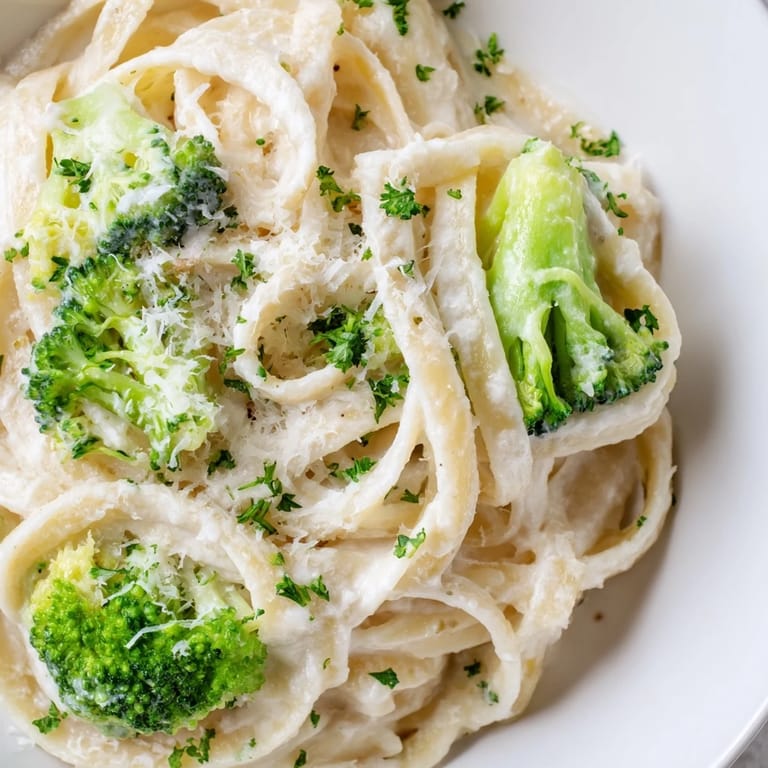
Save What started as a weeknight improvisation has become the dish I make when someone is going through a rough time or when we're celebrating something small and quiet. There's comfort in knowing that good food doesn't require complicated techniques or rare ingredients, just intention and a willingness to taste as you cook.
Why This Pasta Wins
This dish sits in that beautiful space between comfort food and something elegant enough to serve guests, which is rare. The cream cheese base sounds indulgent but it's actually a clever way to build a sauce that feels luxurious without cream, heavy without being heavy. Every time I make it, I'm reminded that the best recipes are often the simplest ones.
Making It Your Own
The foundation here is so solid that it welcomes additions without argument. I've stirred in shredded rotisserie chicken on nights when I wanted more protein, sautéed mushrooms for earthiness, or fresh spinach stirred in at the very end for color and a whisper of greens. The sauce is forgiving enough to handle swaps—asparagus instead of broccoli, a drizzle of truffle oil instead of plain olive oil, even a pinch of nutmeg if you're feeling adventurous.
Quick Adjustments and Variations
If you're worried about dairy or need to adapt, this recipe speaks the language of substitution pretty fluently. Swapping in a good quality dairy-free cream cheese works with no other changes, though you might need slightly less milk since some alternatives are thinner. For a gluten-free dinner, use your preferred pasta and the dish stays exactly as satisfying.
- If the sauce breaks or looks grainy, a splash of cold milk and gentle whisking usually brings it back to silky life.
- Make extra sauce—you'll find yourself eating spoonfuls of it straight from the pan when you think no one's looking.
- This reheats beautifully in a low oven with a splash of milk stirred in, so don't hesitate to make it ahead.
 Save
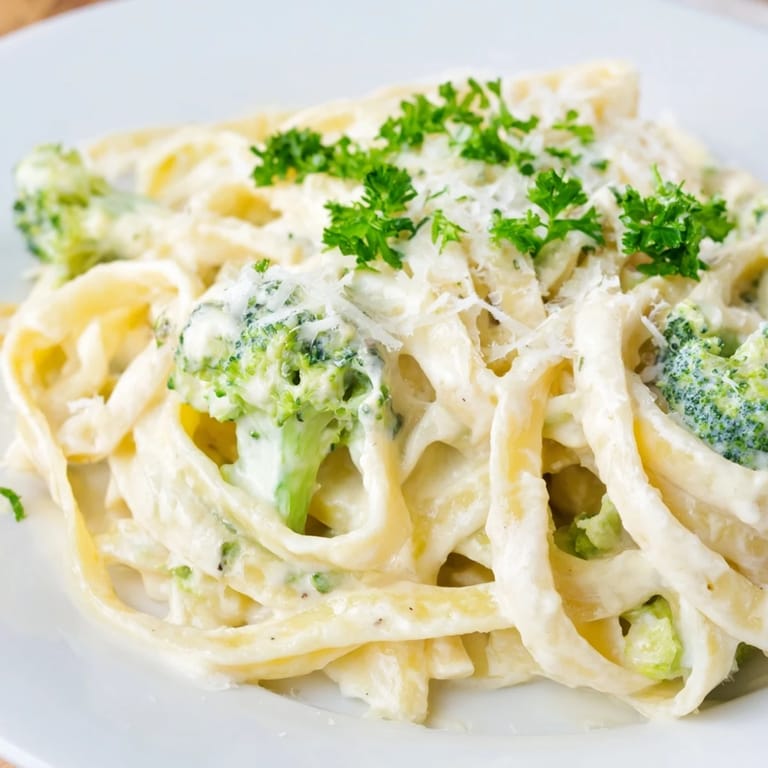
Save This pasta has taught me that sometimes the most memorable meals are built from what's already in your kitchen and the willingness to trust your instincts. I hope it becomes one of those recipes you reach for without thinking, the kind that tastes different depending on your mood but always tastes like care.
Recipe FAQs
- → How can I keep the broccoli tender in this dish?
Add broccoli florets to the boiling pasta water during the last 3 minutes of cooking to achieve tender-crisp texture.
- → What can I use to adjust the sauce thickness?
Reserve some pasta cooking water and add it gradually to the sauce until the desired creamy consistency is reached.
- → Can I substitute the pasta type?
Yes, penne or fettuccine work well, and whole wheat or gluten-free options are also suitable alternatives.
- → Is it possible to add protein to this dish?
Cooked chicken or shrimp can be stirred in to increase protein content and add variety.
- → What wine pairs well with this pasta?
A crisp white wine such as Pinot Grigio complements the creamy and garlicky flavors nicely.