 Save
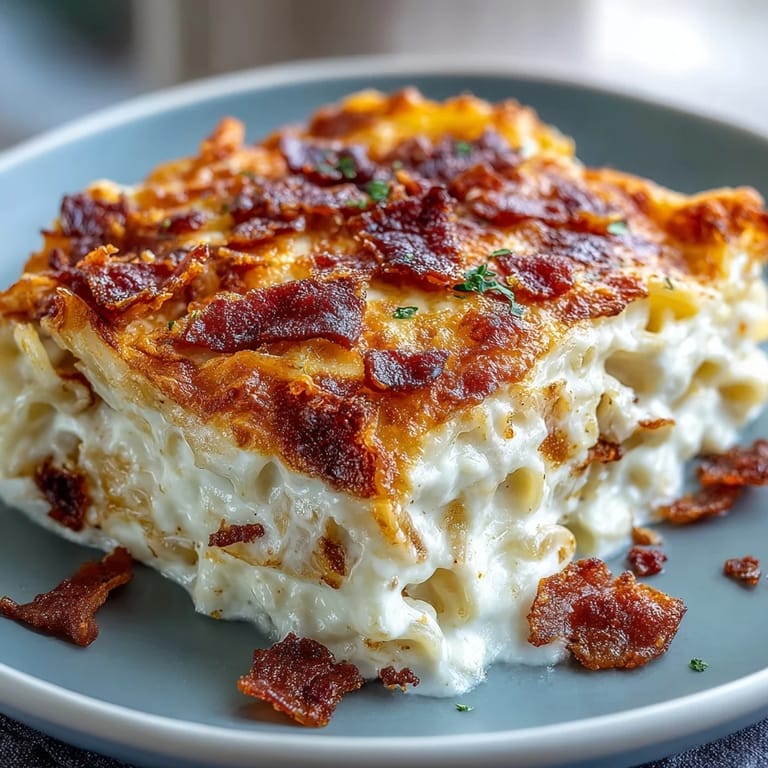
Save My neighbor knocked on the door one Thursday evening with a casserole dish in hand, steam still rising from under the foil. She'd made mac and cheese for a potluck and had extra, insisting I try it while it was still warm. One bite and I understood why she'd won over the whole block—creamy, tangy, with this unexpected smoky crunch on top that made you reach for another forkful. That's when I realized good mac and cheese isn't about complexity; it's about layering flavors and textures in a way that feels both indulgent and somehow homey.
Last winter, my daughter's basketball team rallied around a potluck dinner, and I volunteered this dish without hesitation. Watching the parents circle back to it three times while the other casseroles sat mostly untouched taught me something: comfort food done right is its own kind of magic. The combination of melted cheese and crispy bacon made people pause mid-conversation and just savor what was on their plate.
Ingredients
- Elbow macaroni (400 g): The small curved shape holds onto sauce beautifully; don't skip cooking it just to al dente or it'll turn mushy in the oven.
- Unsalted butter (2 tbsp for sauce, 2 tbsp melted): Using unsalted gives you control over the salt level, which matters when you're layering multiple cheeses.
- All-purpose flour (2 tbsp): This is your thickening agent; don't rush whisking it in or you'll end up with lumps that ruin the silky texture.
- Whole milk and heavy cream (500 ml milk, 120 ml cream): The combination of both creates a sauce that's luxurious but not cloying; milk alone would taste thin and sad.
- Sharp cheddar, Gruyère, and Parmesan cheeses (200 g, 100 g, 50 g respectively): Each cheese brings something different—cheddar gives sharpness, Gruyère adds nuttiness, Parmesan contributes a salty bite that makes the whole thing sing.
- Mustard powder, garlic powder, and cayenne pepper (1 tsp, ½ tsp, ¼ tsp): These aren't optional flavor-balancers; they prevent the dish from tasting one-note and add complexity that guests can't quite identify.
- Streaky bacon (4 slices): Quality matters here; thin, crispy bacon crumbles better than thick-cut and distributes more evenly across the top.
- Panko breadcrumbs (60 g): Panko stays crispier than regular breadcrumbs because of its larger, airier structure; this is why restaurants use it.
- Fresh parsley (2 tbsp, optional): A small handful brightens the richness and adds a visual pop that makes the dish feel less heavy.
Tired of Takeout? 🥡
Get 10 meals you can make faster than delivery arrives. Seriously.
One email. No spam. Unsubscribe anytime.
Instructions
- Prepare your vessel and preheat:
- Set your oven to 190°C (375°F) and butter that baking dish thoroughly—you want the edges to crisp up beautifully. A 2-liter dish is ideal; anything much smaller and your sauce will spill over.
- Cook the pasta to just-right:
- Boil your salted water generously (it should taste like the sea), then add the elbow macaroni and fish a piece out at 7 minutes to test. It should bend with slight resistance; it'll continue cooking in the oven, so err on the side of slightly firm.
- Build the roux foundation:
- Melt your butter over medium heat, add flour, and stir constantly for exactly one minute—this cooks out the raw flour taste without browning it. You're creating the base that will catch and hold the milk and cream.
- Create the silky sauce:
- Pour in your milk and cream slowly while whisking, then keep whisking over gentle heat until it thickens enough to coat the back of a spoon. This usually takes 3 to 4 minutes; rushing it results in grainy sauce, so patience wins.
- Incorporate the cheese magic:
- Pull the pan off heat completely before adding cheese—high heat causes cheese to seize and become stringy and broken. Stir gently until every last shred melts into a glossy, unified sauce.
- Season with intention:
- Add your mustard powder, garlic powder, cayenne, salt, and pepper, then taste and adjust; this is your only chance to get it right before everything goes into the oven.
- Combine pasta and sauce:
- Pour the cheese sauce over your drained pasta and fold gently with a spatula until every noodle is coated. Transfer to your buttered baking dish.
- Render the bacon:
- Cook your bacon in a skillet until it's deeply browned and crispy, then drain it on paper towels while it cools—residual heat continues crisping it. Crumble it into uneven pieces once it's cooled.
- Top with golden crunch:
- Toss your panko with melted butter, crumbled bacon, and parsley, then scatter it evenly across the macaroni. Don't pack it down; you want it to stay loose so air can circulate and crisp it up.
- Bake until golden and bubbling:
- Set a timer for 25 minutes and start checking at that mark—you're looking for golden-brown crumbs on top and sauce bubbling around the edges. Pull it out the moment it's golden; over-baking dries everything out.
 Save
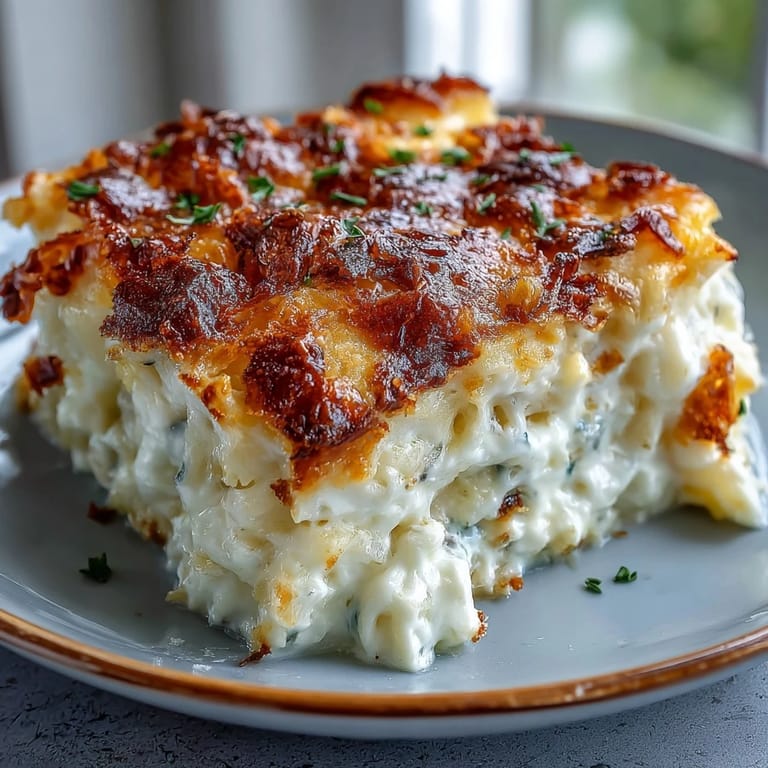
Save My kitchen smelled like toasted breadcrumbs and melting cheese for hours after that first batch, and honestly, that aroma became its own reason to make it again. There's something deeply satisfying about pulling a bubbling casserole from the oven, knowing that what you're about to serve will make people genuinely happy.
The Science Behind Creamy Cheese Sauce
A proper roux—butter and flour cooked together—works like an edible thickener that traps moisture and prevents your sauce from breaking or becoming grainy. The mustard powder isn't there to make it taste like mustard; it's an emulsifier that helps stabilize the cheese and keep everything smooth and luxurious. I learned this the hard way years ago when I skipped it and ended up with separated, oily sauce that no amount of stirring could fix.
Cheese Selection Matters More Than You Think
Sharp cheddar alone would give you tang but no complexity; Gruyère brings a subtle sweetness and nuttiness that rounds everything out; and Parmesan adds a salty, umami punch that makes you take another bite. The ratio matters too—too much Parmesan and it becomes acidic, not enough and you lose that subtle sophistication. When I first made this, I used all cheddar and wondered why it tasted a bit flat until I understood that layering cheeses is like building a flavor chord rather than playing a single note.
Customization Without Compromise
This recipe is forgiving enough to adapt without losing its soul. You can swap Gruyère for Swiss cheese if that's what you have, or add a pinch of smoked paprika for a deeper, more complex edge. If you're making it vegetarian, omit the bacon and crumble some sun-dried tomatoes into the panko mixture instead; the smoky quality keeps the dish from feeling like something's missing.
- Fresh thyme or sage can replace parsley for an earthier, more autumnal flavor profile.
- A small pinch of nutmeg added to the sauce (use a light hand—¼ tsp maximum) adds an almost imperceptible warmth that elevates the whole thing.
- Don't skip letting the baked dish rest for 5 to 10 minutes before serving; it sets just enough to slice cleanly rather than melting into the plate.
 Save
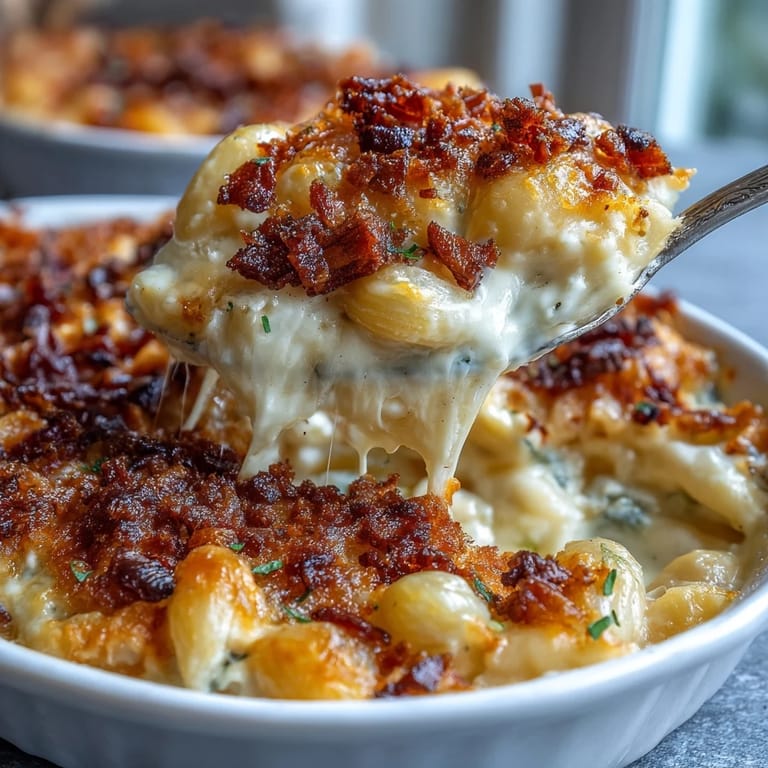
Save Every time I make this, I'm reminded that the best recipes aren't about showiness—they're about taking simple, good ingredients and treating them with respect. Serve it warm, let people come back for seconds, and enjoy the quiet satisfaction of knowing you've just made someone's day a little better.
Recipe FAQs
- → What cheeses are used in this dish?
Sharp cheddar, Gruyère, and Parmesan cheeses combine to create a rich, layered cheese sauce.
- → How is the bacon crumb topping prepared?
Bacon is cooked until crisp, crumbled, then mixed with panko breadcrumbs, melted butter, and parsley before sprinkling on top.
- → Can this dish be made vegetarian?
Yes, omitting the bacon and adding smoked paprika or sun-dried tomatoes in the topping creates a flavorful vegetarian option.
- → What is the baking temperature and time?
Bake the dish at 190°C (375°F) for 25 to 30 minutes until golden and bubbling.
- → How do you achieve a thick cheese sauce?
A roux is made with butter and flour, then milk and cream are gradually whisked in and simmered until thick before adding the cheeses and seasonings.