 Save
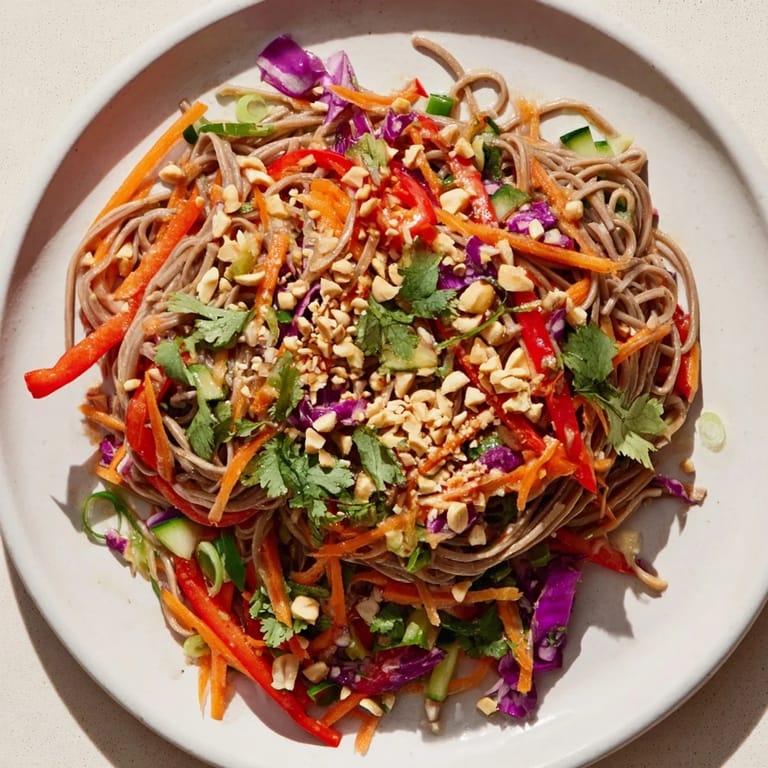
Save There's something almost magical about discovering a recipe that works year-round but feels most necessary on the days when stepping into the kitchen feels like stepping into an oven. I found this cold noodle salad while desperately searching for something to serve at a summer dinner party—something that wouldn't require me to stand over a hot stove while my guests wilted on the porch. The first time I made it, I was skeptical that something this simple could actually taste this good. The sesame-ginger dressing came together in the time it took my noodles to cool, and when I tasted it straight from the bowl, I understood immediately why this kind of salad appears on tables across Asia, from casual weeknight dinners to impressive gatherings.
I remember bringing this to a potluck on the kind of sweltering afternoon where nobody wanted to eat anything heavy, and it disappeared before the main course even arrived. A friend asked for the recipe right there on the back porch, and when I told her it was basically noodles and vegetables, she looked genuinely surprised that something requiring so little effort could be this satisfying. That moment made me realize this wasn't just a recipe I'd keep for hot days—it became the thing I reach for when I want to feed people something that feels both impressive and completely unpretentious.
Ingredients
- Soba or rice noodles (250 g): Soba noodles have this wonderful earthy flavor and chewy texture that actually improves when chilled, but rice noodles work beautifully too and are the safer choice if you're cooking for someone with gluten concerns.
- Carrot (1 medium, julienned): The sweetness of raw carrot provides balance to the salty-spicy dressing, and cutting it thin means it wilts just slightly as it sits, which I actually prefer.
- Red bell pepper (1 small, thinly sliced): Red peppers are sweeter than yellow or green, and their brightness matters—they're not just for color.
- Cucumber (1, seeded and julienned): Seeding the cucumber prevents the salad from becoming watery by the next day, a lesson I learned by trial and error.
- Spring onions (3, finely sliced): These add a quiet sharpness that keeps everything from tasting one-dimensional, and they're essential.
- Red cabbage (50 g, thinly shredded): It stays crisp longer than green cabbage and adds visual drama without any extra work.
- Fresh cilantro (2 tbsp, chopped): Use it generously—cilantro is what transforms this from tasty to craveable, and you can always add more.
- Soy sauce (3 tbsp): The backbone of the dressing, though tamari works if you need it gluten-free and honestly tastes even richer.
- Rice vinegar (2 tbsp): The acidity cuts through richness without overpowering the dish, making everything taste fresher.
- Toasted sesame oil (2 tbsp): This is worth buying good-quality oil for—the difference between cheap and real is noticeable, and a little goes a long way.
- Honey or maple syrup (1 tbsp): Just enough sweetness to round out the dressing without making it taste dessert-like.
- Fresh ginger (1 tbsp, finely grated): Fresh is non-negotiable here—ground ginger tastes flat by comparison and will disappoint you.
- Garlic (1 clove, minced): One clove is enough; garlic becomes overwhelming in cold dishes because the flavor doesn't mellow as it would in something cooked.
- Sriracha or chili sauce (1 tsp, optional): A tiny amount adds a whisper of heat that lingers pleasantly, but leave it out if you prefer something gentler.
- Toasted sesame seeds (1 tbsp plus more for garnish): Toasted seeds are crucial—raw sesame seeds are meek, but toasted ones have this deep, nutty flavor that makes the whole dish feel intentional.
- Roasted peanuts or cashews (2 tbsp, roughly chopped): They provide the only textural contrast, so don't skip them even though they're listed as optional.
Tired of Takeout? 🥡
Get 10 meals you can make faster than delivery arrives. Seriously.
One email. No spam. Unsubscribe anytime.
Instructions
- Set the noodles up for success:
- Boil salted water generously—this is one of the few times your noodle water should taste like the sea. Cook the noodles according to the package, drain them, and run them under cold water while stirring with your fingers so they don't stick together. Spread them out on a plate or shallow bowl while you prep everything else so they cool completely.
- Knife work is your meditation:
- Julienne everything to roughly the same thickness so each bite feels balanced and nothing dominates. Take your time here; this is where the salad goes from looking thrown together to looking intentional.
- Whisk the magic into being:
- In a small bowl, combine the soy sauce, rice vinegar, sesame oil, honey, ginger, garlic, and Sriracha if you're using it. Whisk until the honey dissolves completely, then stir in the sesame seeds. Taste it straight—this dressing should be balanced between salty, sour, and slightly sweet, with a ginger-forward finish.
- Bring everything together gently:
- Put the cooled noodles in your largest bowl and add the vegetables and cilantro. Pour the dressing over everything and toss with salad tongs or two forks, turning slowly until every strand of noodle has a light coating. You're not trying to overdress it; restraint here means it won't get soggy.
- Serve or chill:
- You can eat it immediately while the vegetables are most crisp, but if you can wait an hour or two, the flavors meld in a way that's worth the patience. When you're ready to serve, divide among bowls and scatter the peanuts and extra sesame seeds across the top.
 Save
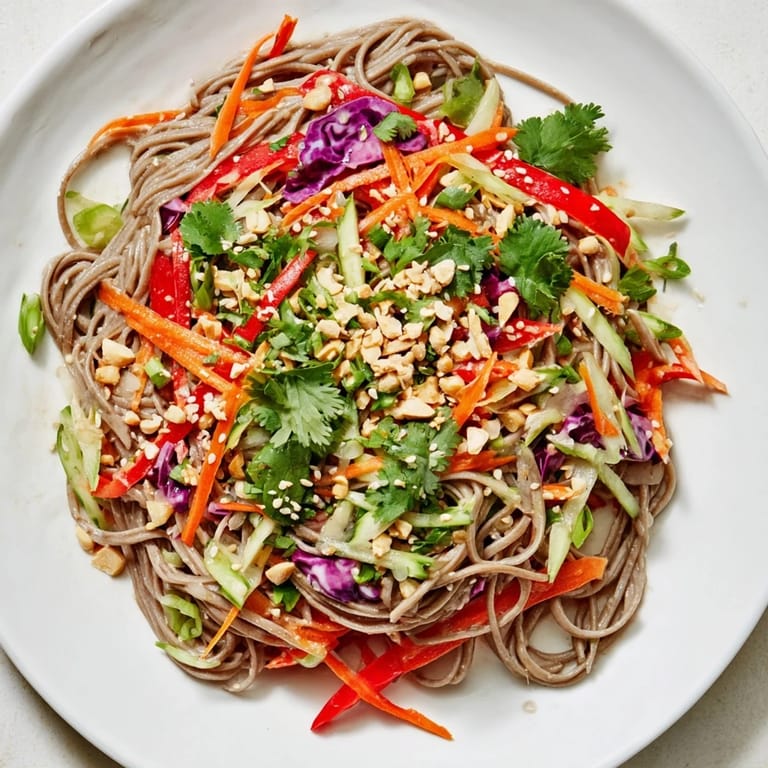
Save What I love most about this salad is that it became a conversation starter. People eat it and immediately want to know why it tastes so bright and alive when it's essentially vegetables and noodles. The secret is the dressing—that alchemy of soy and sesame and ginger that somehow tastes both bold and balanced, which is harder to pull off than it sounds.
Why This Works as a Main Dish
Most vegetable salads feel like a side dish because they lack substance, but noodles change the equation. This works as a complete meal because the carbohydrates from the noodles and the protein from the nuts and sesame seeds create actual satiation. I've served this to omnivores and they've eaten three bowls without once asking where the meat is. The dressing is rich enough to feel indulgent without being heavy, which is the sweet spot for a summer meal.
Making It Your Own
The beauty of this recipe is how forgiving it is to improvisation. I've made it with different vegetables depending on the season—shredded kohlrabi in fall, snap peas in late spring, thin slices of apple for unexpected sweetness. One time I added shrimp because I had it left over from dinner, and it became something completely different but equally delicious. The dressing holds everything together, so trust that you can play around with the vegetables and the salad will still work.
Storage and Serving Notes
This salad is actually better the next day once the flavors have settled and the vegetables have softened slightly, though not so much that they're mushy. It keeps in the refrigerator for up to three days as long as you dress it no more than a few hours before eating. I usually make this when I know I want easy lunches for a few days, and it comes together even faster the second time because you know exactly how you like it.
- Serve it as cold as possible—if your bowls have been sitting out, run them under cold water first.
- Pair it with something cooling like iced tea or white wine, or keep it plant-based with sparkling water and a lime wedge.
- If you're feeding a crowd, dress it right before serving and let people add their own nuts and seeds so everything stays crisp.
 Save
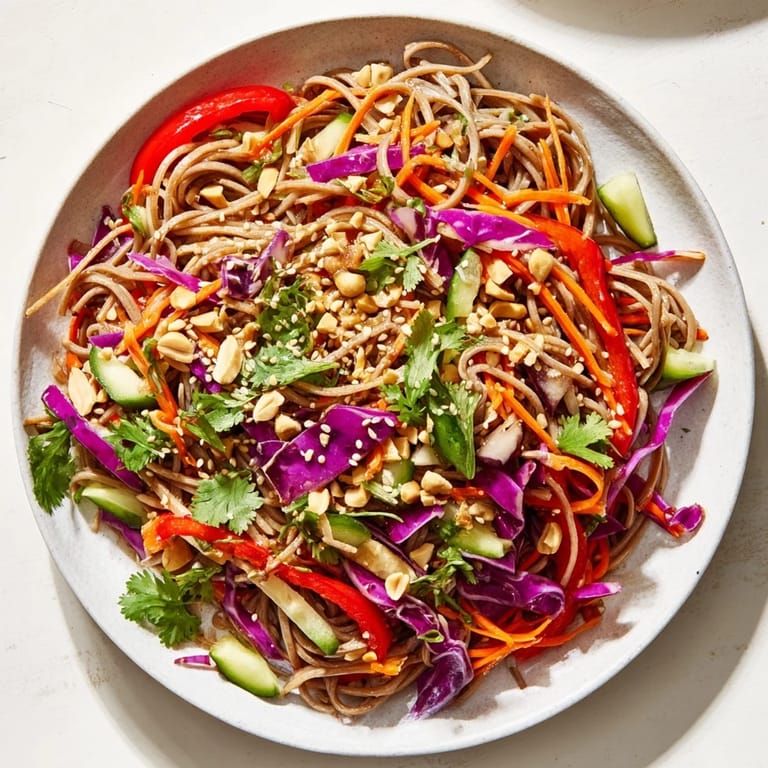
Save This recipe has become the thing I make when I want to cook something that feels both effortless and considered. It asks very little of you but gives back plenty—brightness, nutrition, flavor, and the satisfaction of a dish that actually improves as it sits.
Recipe FAQs
- → What type of noodles work best for this salad?
Dried soba or rice noodles are ideal for their texture and ability to absorb the dressing well. Both hold up nicely when chilled.
- → Can the sesame-ginger dressing be made ahead?
Yes, the dressing can be prepared in advance and kept refrigerated for up to three days, allowing flavors to meld.
- → How can I add protein to this dish?
Consider adding cooked shrimp, grilled chicken, or tofu to boost protein while maintaining freshness.
- → Is there a gluten-free option for this salad?
Use tamari instead of soy sauce and swap soba noodles for rice noodles to make it gluten-free.
- → What are good beverage pairings for this salad?
Light chilled white wines or iced green tea complement the fresh and zesty flavors well.
- → How should the salad be stored if not served immediately?
Store chilled in an airtight container for up to a day. Toss well before serving to redistribute the dressing.