 Save
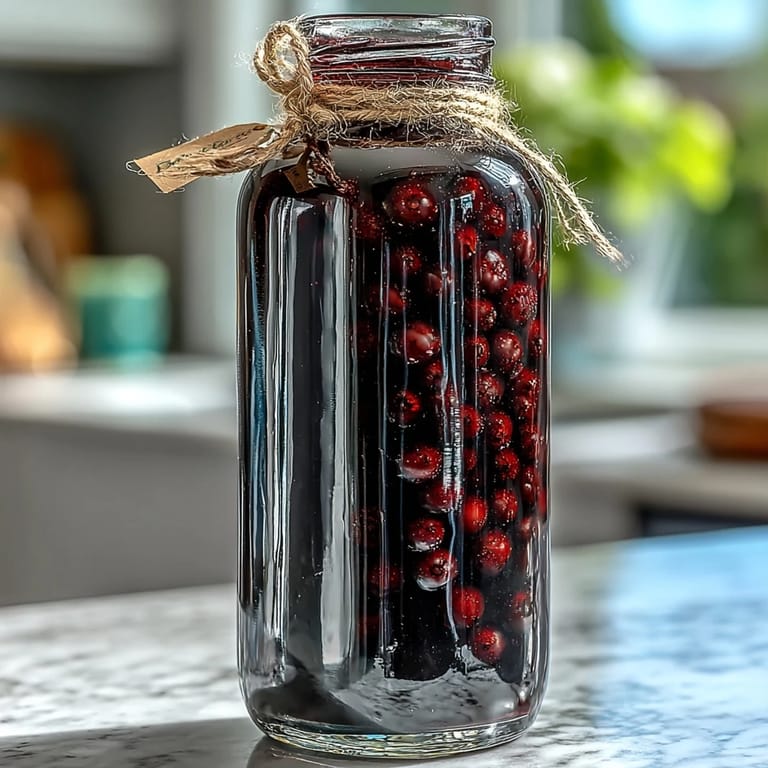
Save There's something almost magical about watching clear vodka transform into deep purple liquid over the course of a few weeks. I discovered blackcurrant liqueur quite by accident when a friend left a jar on my kitchen counter one autumn, and I became obsessed with checking on it like it was a science experiment. The berries slowly released their jewel-toned essence, filling the jar with an aroma so rich and complex it made me wonder why I'd never made this before. What started as curiosity turned into an annual ritual, a reason to visit the farmer's market when blackcurrants arrive in season. Now I can't imagine summer ending without a bottle settling into my cupboard.
Last winter, I poured a finger of my blackcurrant liqueur for my parents on a particularly cold evening, and watching my father close his eyes after that first sip told me everything. He described it as tasting like the blackcurrant cordial his grandmother made when he was a boy, which meant my random kitchen experiment had somehow bridged decades and continents. That's when I realized this liqueur isn't really about the vodka or even the berries—it's about creating something with enough depth and character to trigger real memories in people you care about.
Ingredients
- Fresh or frozen blackcurrants (500 g): The heart of everything—choose ripe berries with that deep, almost-black color because they'll give you the most intense flavor and richest color; frozen works beautifully if fresh aren't available, and honestly sometimes performs even better since freezing breaks down cell walls and speeds up infusion.
- Quality neutral vodka (750 ml): Don't reach for the cheapest bottle on the shelf, but you also don't need the most expensive—somewhere in the middle serves as the perfect blank canvas for the blackcurrant to shine, and better vodka means fewer harsh notes fighting for attention.
- Granulated sugar (250–350 g): This isn't just sweetness; sugar preserves the liqueur and helps extract flavor from the berries, and the range lets you dial in exactly how tart or smooth you want the final result to be.
Tired of Takeout? 🥡
Get 10 meals you can make faster than delivery arrives. Seriously.
One email. No spam. Unsubscribe anytime.
Instructions
- Prepare your berries and jar:
- Rinse the blackcurrants gently under cool water and pick off any stems or leaves—this takes just a few minutes but makes a real difference in the final clarity and taste. If using fresh berries, pat them completely dry with a clean cloth, and make absolutely sure your jar is sterilized by running it through boiling water or the dishwasher beforehand.
- Layer your infusion:
- Pour the blackcurrants into your clean jar, scatter the sugar over them (I find this helps it dissolve more evenly), then slowly pour in the vodka until everything is covered by about an inch. Give it a gentle shake to combine, but don't go wild—you want the ingredients to mingle, not splash everywhere.
- Begin the waiting game:
- Seal the jar tight, find a cool dark spot in your cupboard or pantry, and resist the urge to peek constantly. Every two or three days, take the jar out and give it a gentle shake to help the sugar dissolve and distribute the flavors evenly—this small effort makes a noticeable difference.
- Taste and strain when ready:
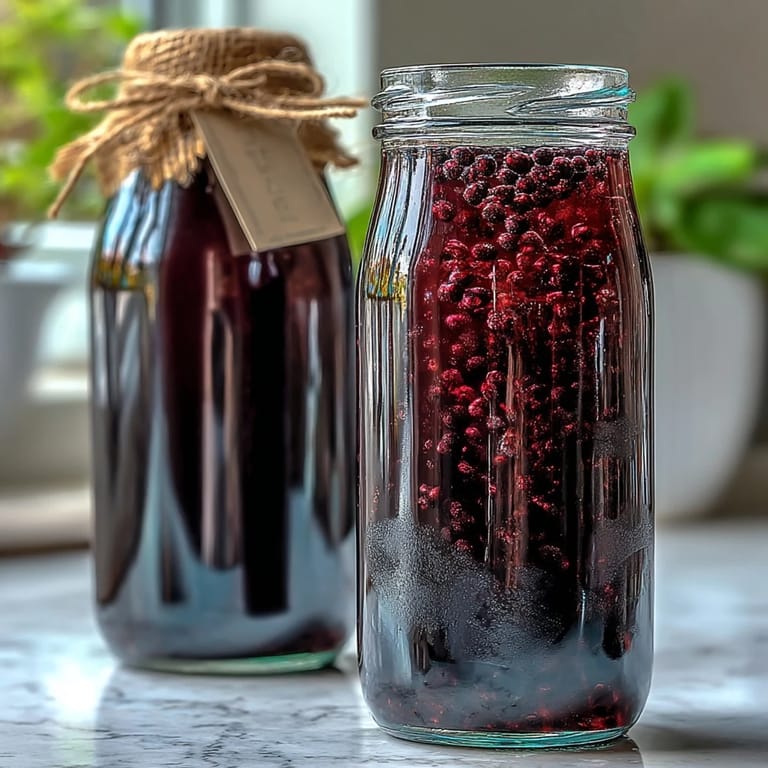
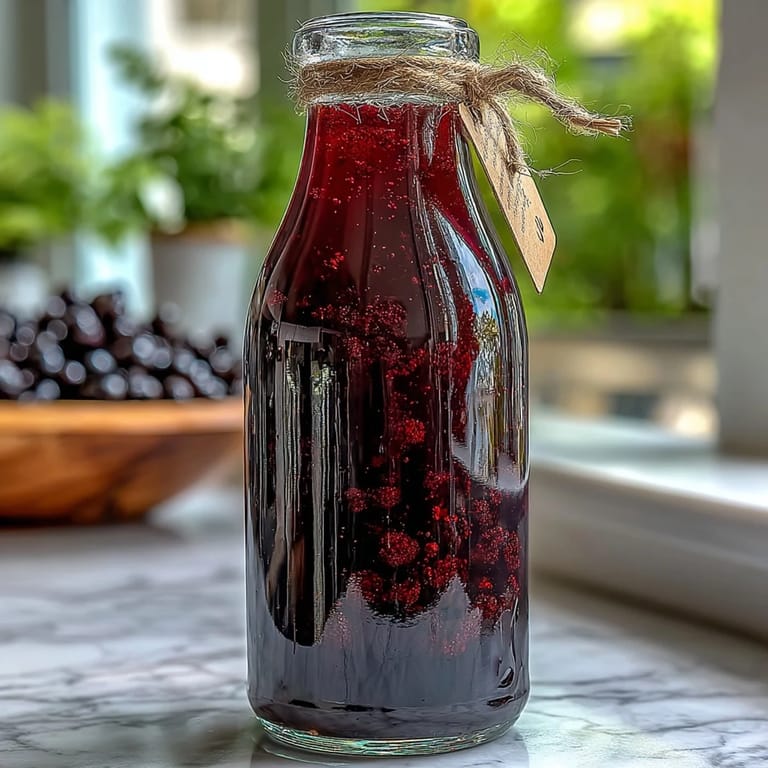
- After three weeks, crack the jar open and taste a tiny sample; the liqueur should taste deeply fruity and smooth, though you can wait up to six weeks if you want even more intensity. Once it reaches that sweet spot (literally and figuratively), pour everything through a fine sieve or muslin cloth into a clean bottle, pressing gently on the berries to extract every last bit of liquid.
- Final maturation:
- Those spent berries can go straight into a cake batter or jam pot, while your strained liqueur gets sealed and returned to the dark cupboard for another 2–4 weeks if you can bear to wait. Trust me—that extra aging time rounds out the rough edges and creates something genuinely special.
 Save
Save There's a particular moment around week four when you'll notice the jar has stopped looking like a mess of fruit and vodka and has instead become a gorgeous jewel—that's when you'll understand why people have been making fruit liqueurs for centuries. It feels less like cooking and more like witnessing a small miracle happen in your kitchen.
Getting the Sugar Balance Right
The trickiest part of this whole process is deciding how sweet you want it, because there's a wide window between tart and syrupy and everyone's preference is different. I've learned that starting at 250 grams and tasting after three weeks gives you the option to add more sugar if needed—just dissolve it in a little warm water and stir it in before the final bottling. Go too sweet and you lose that gorgeous blackcurrant complexity; too tart and it becomes almost medicinal, which isn't what you're after unless that's precisely your style.
Flavor Variations Worth Exploring
Once you've made the basic version once or twice, the possibilities become endless and kind of addictive to experiment with. A thin strip of lemon zest adds brightness without overwhelming the blackcurrant, while a split vanilla bean creates this smooth, almost creamy quality that makes it better for sipping straight. I've also heard wonderful things about adding a cinnamon stick or a few cloves, though I'd suggest making a test batch before committing to that flavor profile.
Serving, Storing, and Savoring
Chill it well before serving because the cold amplifies the aromatics and gives you a smooth, silky texture that's genuinely luxurious. It works beautifully as an after-dinner digestif, poured into small glasses with a piece of dark chocolate on the side, or you can experiment with it in cocktails, desserts, or even drizzled over vanilla ice cream. Store it in a cool, dark place and it'll easily keep for a year or more, though I've never had any last that long because people always find out you have it.
- Serve in small glasses chilled, preferably straight or with a single ice cube if you like it diluted slightly.
- The spent berries make exceptional additions to chocolate cakes, which is why I always save them for baking rather than composting.
- Label your bottles with the date you started infusing—future you will appreciate knowing exactly how old it is and will have a better sense of how it's evolved.
 Save
Save Making blackcurrant vodka liqueur has become my way of turning the fleeting season of perfect berries into something that lasts all year, a kind of edible memory that gets better with time. There's real joy in gifting a bottle to someone and watching them discover what patience and good berries can create together.
Recipe FAQs
- → How long does blackcurrant vodka need to infuse?
Infuse for 3–6 weeks in a cool, dark place. Shake every 2–3 days to dissolve sugar. Taste after 3 weeks and continue infusing until the flavor reaches your preferred intensity.
- → Can I use frozen blackcurrants?
Yes, frozen blackcurrants work beautifully. Thaw them slightly before adding to the jar, and ensure any excess ice is drained to prevent diluting the vodka.
- → How should I store the finished liqueur?
Store bottled blackcurrant vodka in a cool, dark place or the refrigerator. Properly stored, it keeps for 1–2 years. The flavor continues to develop and mellow over time.
- → What's the best way to strain the liqueur?
Line a fine sieve with muslin cloth or cheesecloth. Pour the mixture through slowly, allowing it to drip naturally. For crystal-clear results, strain twice through fresh muslin.
- → Can I adjust the sweetness level?
Absolutely. Start with 250g sugar for a tart profile or up to 350g for sweeter results. Taste during infusion—you can dissolve additional sugar directly into the jar if needed.
- → What can I do with the strained berries?
The alcohol-infused berries make excellent additions to cakes, crumbles, or jams. They're already sweetened and carry a subtle vodka flavor that complements baked goods.