 Save
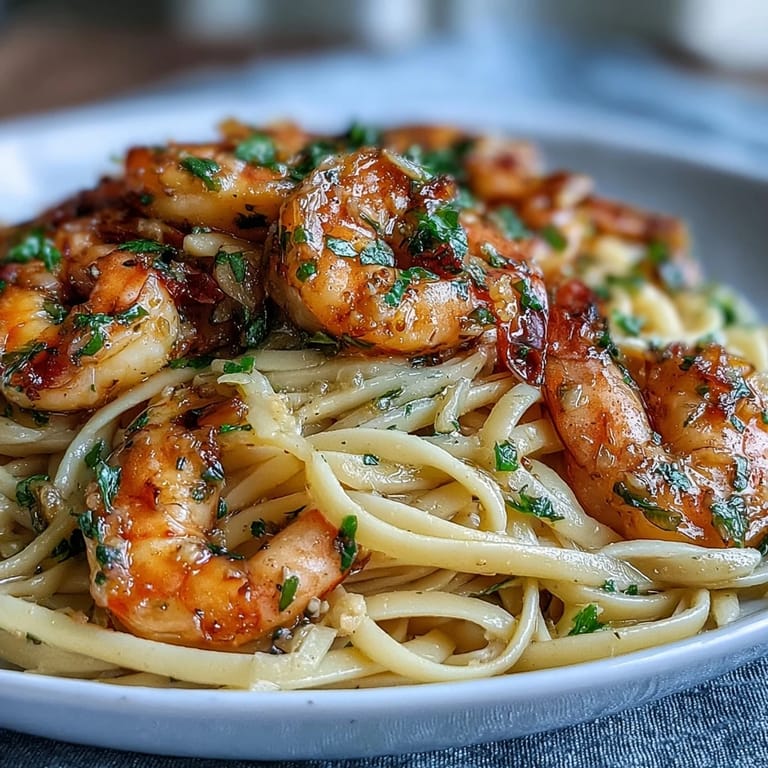
Save My neighbor knocked on my kitchen door one April evening with a bag of the most beautiful lemons from her tree, and I suddenly had thirty minutes to figure out dinner for four. That's when this lemon garlic shrimp pasta came together—bright, elegant, and somehow made me look like I'd been planning it all week. The kind of dish that tastes like springtime feels: light, alive, and a little bit fancy without any fuss.
I've made this dish for friends who swear they don't like seafood, only to watch them ask for seconds. There's something about the way the lemon brightens everything that even hesitant eaters lean toward. My sister called it her new favorite pasta, which is saying something from someone who usually orders takeout.
Ingredients
- Whole wheat spaghetti or linguine (12 oz): Whole wheat holds sauce better than regular pasta and tastes nuttier, but you can swap for regular if that's what you have.
- Large shrimp (1 lb): Size matters here—large shrimp won't disappear into the sauce and cook evenly in minutes.
- Olive oil (4 tbsp total): Use good quality for the sauce; cheap oil tastes tinny when it's the star.
- Fresh garlic (4 cloves): Slice it thin so it perfumes the oil without burning, which happens faster than you'd think.
- Red pepper flakes (1/2 tsp optional): A whisper of heat wakes up the lemon, but skip it if spice isn't your thing.
- Lemon zest and juice: One fresh lemon gives you the zest, and you'll need two for juice—don't use bottled, the flavor falls flat.
- Dry white wine (1/4 cup): Adds depth and helps carry the garlic flavor into the sauce.
- Fresh parsley (1/3 cup chopped): This isn't just garnish; it brightens the whole dish and should go in at the end.
- Parmesan cheese (1/4 cup grated optional): A finishing touch that adds umami, but the dish is beautiful without it.
Tired of Takeout? 🥡
Get 10 meals you can make faster than delivery arrives. Seriously.
One email. No spam. Unsubscribe anytime.
Instructions
- Bring water to a rolling boil:
- Fill a large pot with water, salt it generously (it should taste like the sea), and get it to a hard boil before adding pasta. This head start means everything finishes at the same time.
- Cook pasta until just al dente:
- Follow package timing but taste a minute early—you want a slight bite to it since it'll cook a touch more in the sauce. Scoop out and reserve 1/2 cup of starchy pasta water before draining.
- Pat shrimp dry and season:
- Moisture is the enemy of a good sear, so use paper towels and don't skip this step. A small pinch of salt and pepper is all they need right now.
- Sear shrimp until just pink:
- Heat 1 tbsp olive oil in a large skillet over medium-high until it shimmers, then lay the shrimp flat in a single layer. Don't move them for a minute—let them get a little color—then flip and cook another minute until they're just opaque. They'll keep cooking in the residual heat, so slightly underdone is safer than rubbery.
- Build the sauce with garlic and lemon:
- Lower the heat to medium, add 3 tbsp fresh olive oil, then add your thinly sliced garlic. Listen for it to sizzle softly and smell incredible—that's the moment before it burns. Add red pepper flakes if you're using them, then the lemon zest, and let it toast for just 30 seconds.
- Add wine and let it reduce:
- Pour in the white wine and let it bubble away for a minute, which burns off the alcohol and concentrates the flavor. This is a good moment to add the lemon juice.
- Toss pasta into the sauce:
- Add the cooked pasta to the skillet and use tongs to coat everything in that golden, fragrant oil. Add pasta water a tablespoon at a time until the sauce clings to the noodles instead of pooling at the bottom.
- Return shrimp and finish with parsley:
- Slide the shrimp back into the skillet, scatter the fresh parsley over everything, and toss gently so you don't break the shrimp. Taste and adjust salt and lemon if needed—you want brightness, not sourness.
- Serve immediately:
- This dish waits for no one, so have bowls ready and plates warm. A grating of Parmesan and maybe a crack of black pepper on top if you'd like.
 Save
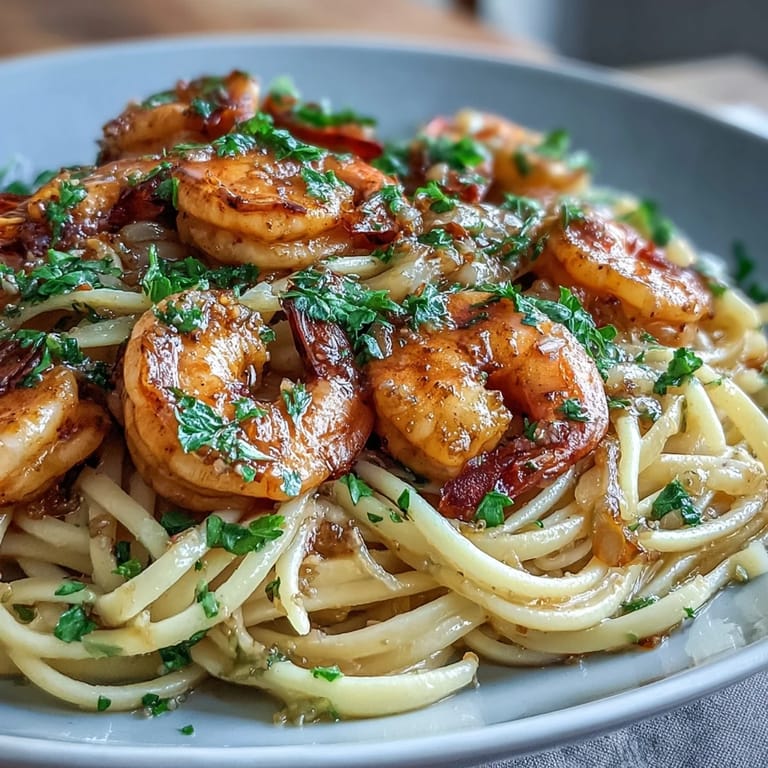
Save This pasta reminds me that some of the best meals happen when you're not trying too hard, when you have good ingredients and let them speak for themselves. My table got quiet that night—the good kind of quiet—while everyone just ate and smiled.
Why This Dish Works for Spring
Spring is when you're tired of heavy cream sauces but not quite ready for raw salads. This pasta sits right in that sweet spot, tasting fresh and bright without being cold or boring. The lemon feels like the season itself—hopeful and alive—while the shrimp makes it feel restaurant-worthy without any stress.
Variations That Keep It Interesting
I've added baby spinach or arugula at the end and it's transformed into something even more spring-like. Some nights I add a pinch more red pepper flakes if I'm feeling bold, or skip them entirely for people who prefer gentler flavors. You can also swap the white wine for low-sodium broth if alcohol bothers you—it won't have quite the same shimmer but it's still delicious.
Making It Your Own
This recipe is a foundation, not a rulebook, so taste as you go and adjust toward what your palate wants. Some people love extra lemon and barely any garlic, while others reverse that. The beauty is in knowing the technique so you can trust your instincts instead of overthinking every step.
- If your pasta looks too dry, splash in more pasta water—there's no shame in building the sauce as you go.
- Fresh herbs besides parsley work too: basil, dill, or even tarragon if you're feeling adventurous.
- Serving this with a crisp white wine makes the meal feel special without requiring anything fancy.
 Save
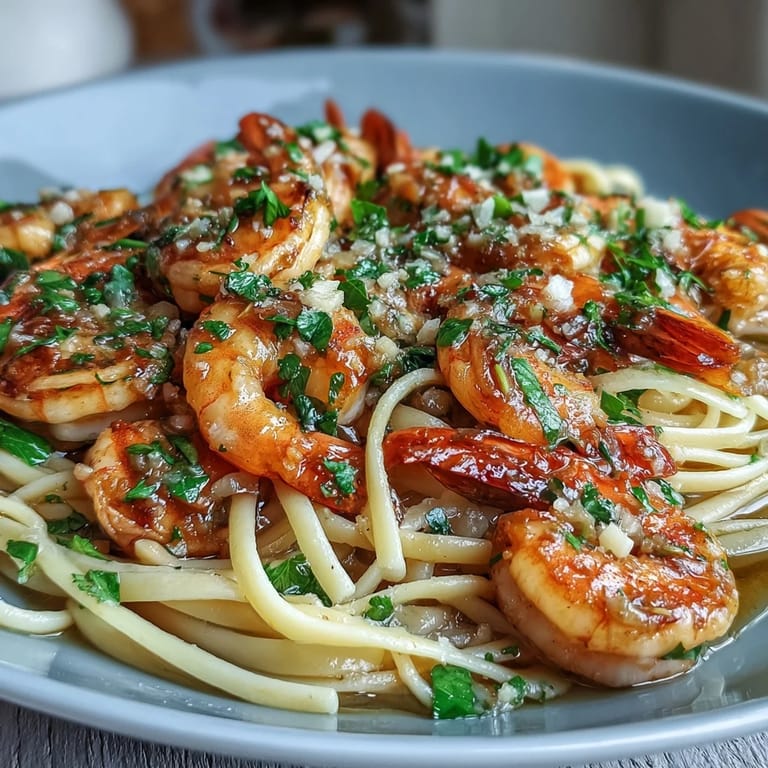
Save This is one of those dishes that reminds you why you love cooking in the first place. Simple ingredients, quick hands, and suddenly you're eating something that tastes like you planned it perfectly.
Recipe FAQs
- → What type of pasta works best?
Whole wheat spaghetti or linguine pairs well, offering a nutty texture that complements the light lemon sauce.
- → Can I substitute the white wine?
Yes, low-sodium chicken broth can be used as a non-alcoholic alternative that still adds depth to the sauce.
- → How do I avoid overcooking the shrimp?
Cook shrimp quickly over medium-high heat for 1–2 minutes per side until just pink and firm to retain juiciness.
- → Is it possible to make this gluten-free?
Absolutely, swap the pasta with a gluten-free variety without changing the overall flavor profile.
- → What can I do to add more greens?
Adding baby spinach or arugula during the final toss adds freshness and texture without overwhelming the main flavors.