 Save
Save One Tuesday afternoon, I was standing in my kitchen staring at a half-empty pantry when I spotted a box of farro pasta I'd bought on impulse months before. The nutty smell of it actually caught my attention this time, and I suddenly craved something bright and Mediterranean that didn't require a trip to the market. I pulled together whatever colorful vegetables were in my crisper drawer, whisked up a simple lemon dressing, and by dinner had created something so vibrant and satisfying that it became my answer to those days when you want to feel nourished without spending hours cooking.
I made this for a friend who'd mentioned feeling stuck in a cooking rut, and watching her face light up when she tasted that first bite reminded me why simple food done well can feel almost sacred. She actually came back the next week asking for the recipe, and now she texts me photos of her own variations with different seasonal vegetables. That's when I realized this wasn't just a bowl of pasta—it was a starting point for people to trust their instincts in the kitchen.
Ingredients
- Farro pasta (250 g): This grain has a wonderfully chewy texture and subtle nutty flavor that makes the dish feel more substantial than regular pasta, and it actually holds its shape better when tossed with dressing.
- Zucchini (1 medium, diced): It adds a mild sweetness and silky texture when sautéed just right—the key is not overcooking it so it keeps that slight firmness.
- Red and yellow bell peppers (1 each, diced): These bring natural sweetness and a pop of color that makes the bowl look as good as it tastes.
- Cherry tomatoes (150 g, halved): They burst slightly when cooked, releasing their jammy flavor into the vegetables around them.
- Baby spinach (100 g): It wilts into almost nothing but adds iron and a subtle earthiness that balances all the brightness.
- Red onion (1 small, finely sliced): The sharpness cuts through the richness and adds a pleasant bite that keeps each bite interesting.
- Garlic (2 cloves, minced): Just enough to perfume the vegetables without overpowering them.
- Extra virgin olive oil (60 ml): This is where you don't skimp—a good quality oil makes the dressing taste like you actually know what you're doing in the kitchen.
- Lemon juice (2 tbsp, freshly squeezed): Fresh is non-negotiable here; bottled tastes flat and tinny by comparison.
- Dried oregano (1 tsp): It whispers Mediterranean into every bite without being aggressive.
- Sea salt and black pepper (1/2 tsp and 1/4 tsp): Season as you taste, not by rote—everyone's salt preferences are different.
- Feta cheese (60 g, crumbled): The tangy creaminess is the punctuation mark that makes the whole bowl feel complete.
- Fresh parsley and toasted pine nuts (2 tbsp each, optional): The parsley adds a fresh herbal note while pine nuts bring a subtle richness and soft crunch.
Tired of Takeout? 🥡
Get 10 meals you can make faster than delivery arrives. Seriously.
One email. No spam. Unsubscribe anytime.
Instructions
- Get your water boiling:
- Fill a large pot with salted water—it should taste like the sea—and bring it to a rolling boil before you add the farro pasta. Cook according to package instructions, usually around 10-12 minutes, until it's tender but still has a little resistance when you bite it.
- Wake up your aromatics:
- While the pasta cooks, warm 2 tablespoons of olive oil in a large skillet over medium heat and add your minced garlic and finely sliced red onion. Let them sizzle for about 2 minutes until the kitchen smells like something worth eating.
- Build the vegetable base:
- Toss in the zucchini, both bell peppers, and cherry tomatoes, stirring occasionally for 6 to 8 minutes until they're softened but still have some brightness to them. You want them tender enough to taste cooked, not raw and hard.
- Wilt the greens:
- Add your baby spinach and stir it into the warm vegetables for just 1 to 2 minutes until it's silky and dark green. Remove the skillet from heat.
- Make your golden dressing:
- In a small bowl, whisk together the remaining olive oil, fresh lemon juice, oregano, salt, and pepper until it's emulsified and balanced. Taste it and adjust—does it need more lemon brightness, or more salt to round it out?
- Bring it all together:
- In a large bowl, combine your drained pasta with the sautéed vegetables and pour the dressing over everything, tossing gently so every piece gets coated without breaking the pasta. The warmth of the pasta helps the dressing soak in slightly.
- Plate and celebrate:
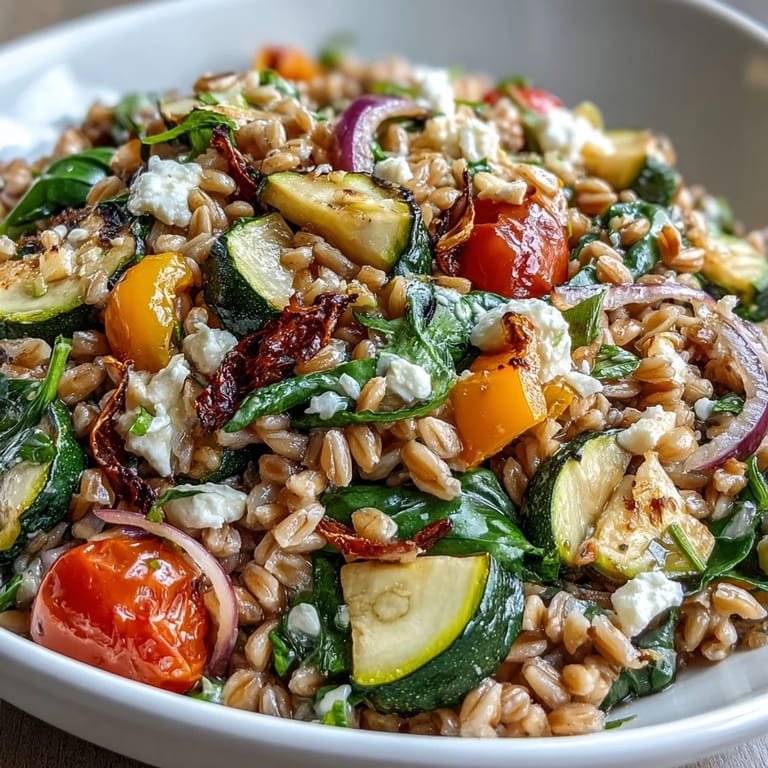
- Divide the mixture among bowls and scatter feta cheese, fresh parsley, and toasted pine nuts on top. Serve it warm if you've just made it, or let it cool to room temperature if you prefer.
 Save
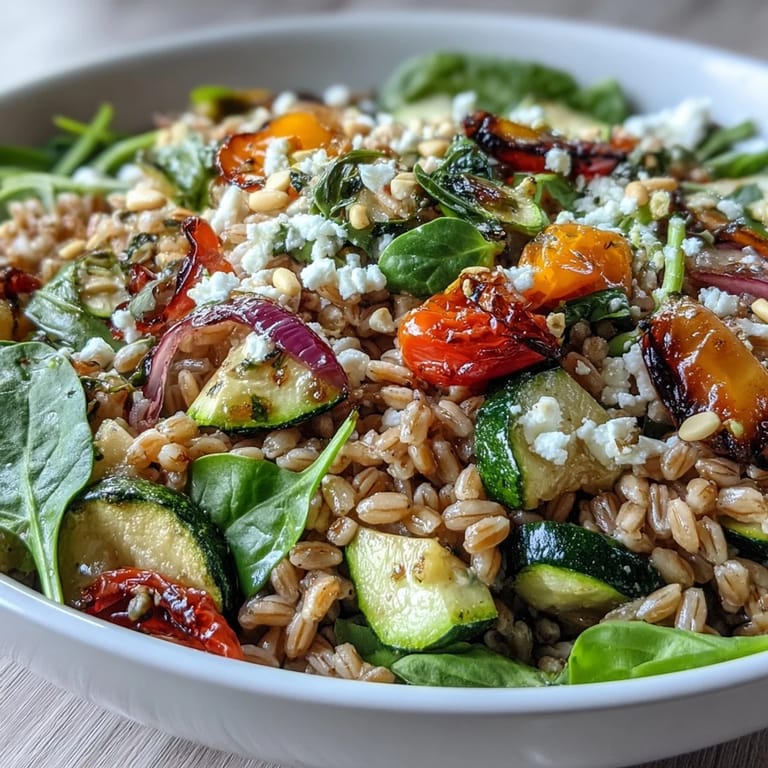
Save There's something about arranging those scattered colors in a bowl—the dark green spinach, the golden feta, the ruby tomatoes—that makes you feel like you're creating something that matters. I've served this to people who swore they didn't like vegetables, and watched them come back for seconds without even realizing what they were eating.
The Magic of Timing
The whole trick to this dish is respecting that vegetables cook at different speeds and that nothing should feel mushy or mushed together. I used to dump everything in the pan at once and wonder why it tasted a little sad, but then I realized that sautéing the aromatics first, then the harder vegetables, then the delicate spinach last is what gives each element its own integrity. It's not fancy, just attentive.
Room Temperature Is Your Friend
This bowl tastes completely different and equally wonderful whether you eat it straight from the stove or let it sit for an hour and come back to it cooler. The cold version is sharper, more refreshing—perfect for a summer lunch—while the warm version feels almost cozy, with the flavors softer and more blended. I've found that letting it sit at room temperature for even 15 minutes lets the pasta absorb a little more dressing, so the whole thing becomes more cohesive.
Make It Your Own
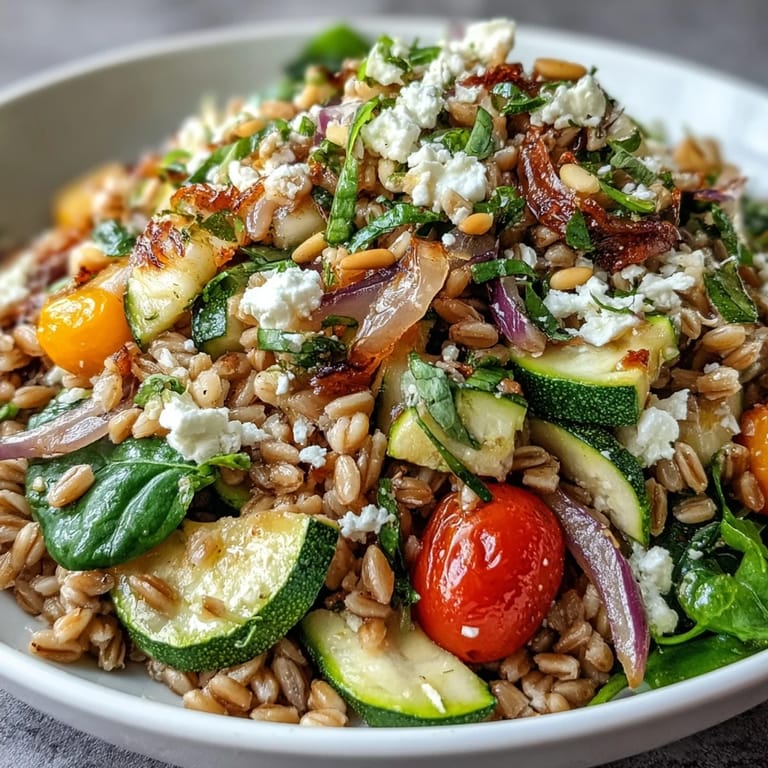
This recipe is a framework, not a prison—I've made it with grilled chicken stirred in for when I need more protein, added a can of white beans for a heartier version, and once swapped the feta for a creamy burrata when I was feeling luxurious. The dressing stays the same, the pasta stays the same, but the vegetables and additions can dance around whatever you have on hand or whatever you're craving.
- Roast your vegetables instead of sautéing them if you want a deeper, caramelized flavor that's almost like a different dish.
- Make a double batch of the dressing and keep it in the fridge for other salads and grains throughout the week.
- Toast your pine nuts right before serving so they're still warm and their flavor is at its peak.
 Save
Save This is the kind of meal that makes you feel like you took care of yourself without having to fight through a complicated recipe. It's honest food that tastes like attention without demanding your whole evening, and that's a kind of magic worth hanging onto.
Recipe FAQs
- → Can I make this gluten-free?
Yes, substitute farro pasta with quinoa, brown rice, or certified gluten-free pasta to maintain the wholesome grain base while accommodating dietary restrictions.
- → How long does this keep in the refrigerator?
This dish stores well for 3-4 days in an airtight container. The flavors actually develop and improve when chilled, making it excellent for meal prep or next-day lunches.
- → Can I serve this cold?
Absolutely! This works beautifully as a cold salad. Simply chill after preparation and serve over fresh greens or enjoy it directly from the refrigerator.
- → What proteins can I add?
Grilled chicken breast, chickpeas, white beans, or lentils make excellent protein additions. For a vegan option, try crispy tofu or simply increase the vegetable portions.
- → Can I use regular pasta instead of farro?
Whole wheat pasta, penne, or fusilli can replace farro pasta. Cooking times may vary slightly, so adjust according to package directions for al dente texture.
- → How do I prevent the vegetables from becoming mushy?
Sauté vegetables just until tender-crisp, about 6-8 minutes. Keep the heat at medium and avoid overcrowding the skillet to maintain vibrant color and texture.