 Save
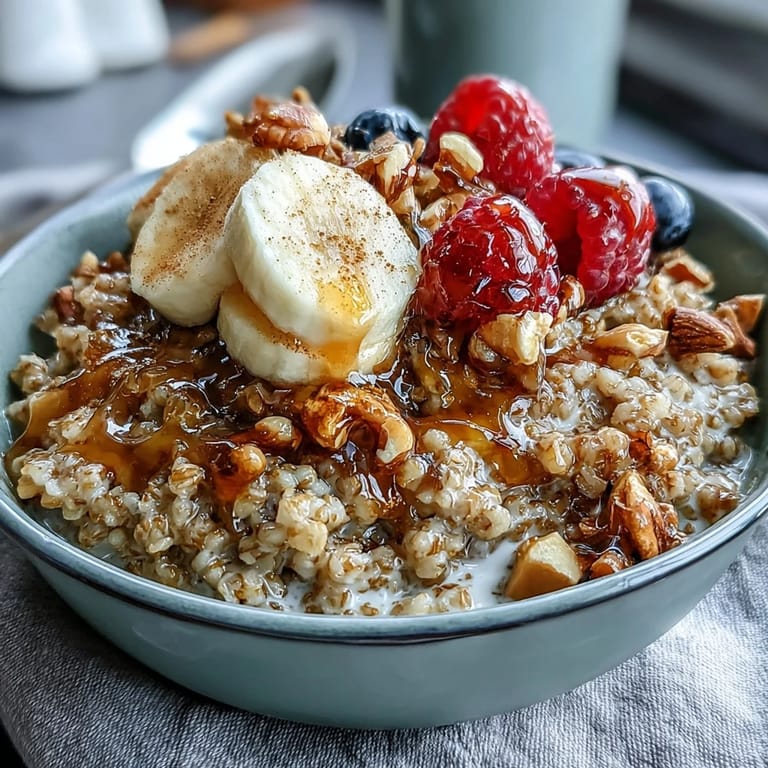
Save There's something almost meditative about the sound of buckwheat groats hitting the bottom of a saucepan on a quiet morning. I discovered them years ago while trying to shake up my breakfast routine, and what started as an experiment became my go-to when I want something that actually sticks with me until lunch. The nutty aroma that fills the kitchen as they cook feels like a small luxury before the day even starts. Unlike oatmeal, buckwheat has this delicate earthiness that doesn't require much to shine, and it's naturally gluten-free, which was a pleasant surprise when I first learned that.
I made this for a friend who'd just started paying attention to how different foods affected her energy levels, and watching her face light up when she realized how satisfied she felt an hour later was oddly gratifying. She'd been skeptical about buckwheat at first, thinking it would taste too grainy or boring, but the combination of the warm, tender groats with cold, crisp fruit and crunchy nuts changed her mind immediately. Now she texts me photos of her versions with different fruit combinations, and it's become this silly ongoing conversation about buckwheat adventures.
Ingredients
- Buckwheat groats (raw, hulled): Make sure you're buying hulled groats, not the whole kernel, or they'll take forever to cook and stay stubbornly hard in the center. One cup makes two generous servings, though I've learned to rinse them really well under cold water first to get rid of any residual dust.
- Water: The two-to-one ratio is reliable, but honestly, I sometimes use a splash less if I want the groats a bit firmer rather than creamy.
- Salt: Just a quarter teaspoon wakes up the nuttiness without making it taste salty, which took me one over-salted morning to figure out.
- Mixed nuts (almonds, walnuts, pecans): Rough chopping is key here because you want those uneven, toasty pieces that give you a satisfying crunch with each bite.
- Fresh fruit: Berries, banana slices, apples, or pears all work beautifully; the acidity of citrus-forward fruits like oranges or pomegranate seeds adds a bright contrast that's unexpected.
- Honey or maple syrup: This is optional, but I've found that just a drizzle makes the whole bowl feel intentional rather than utilitarian.
- Ground cinnamon: A light sprinkle adds warmth without overwhelming the delicate buckwheat flavor.
- Milk or plant-based milk: Whether you pour it over or serve it on the side depends on how you're feeling that morning; some days I want it creamy, other days I prefer it drier.
Tired of Takeout? 🥡
Get 10 meals you can make faster than delivery arrives. Seriously.
One email. No spam. Unsubscribe anytime.
Instructions
- Rinse your buckwheat:
- Run cold water over the groats in a fine-mesh strainer, stirring gently with your fingers until the water runs clear. This removes any bitter coating and takes less than a minute, but it genuinely changes how the finished bowl tastes.
- Build the base:
- Combine the rinsed buckwheat, water, and salt in a medium saucepan and bring it to a boil over medium-high heat; you'll see the water turn slightly cloudy and the groats will start to dance around. Once it's boiling, turn the heat down to low, cover the pan, and let it simmer for ten to twelve minutes until the water is fully absorbed and the groats are tender but not mushy.
- Rest and fluff:
- Remove from heat and leave it covered for five minutes; this steam time lets everything settle and finish cooking gently. Use a fork to fluff the buckwheat, which breaks up any clumps and aerates the whole bowl so it's light rather than dense.
- Assemble your breakfast:
- Divide the warm buckwheat between two bowls and start layering on the toppings—nuts, fruit, a drizzle of honey or maple syrup if you like sweetness, and a whisper of cinnamon. If you're adding milk, pour it over now or serve it alongside so you can control how creamy you want each spoonful.
 Save
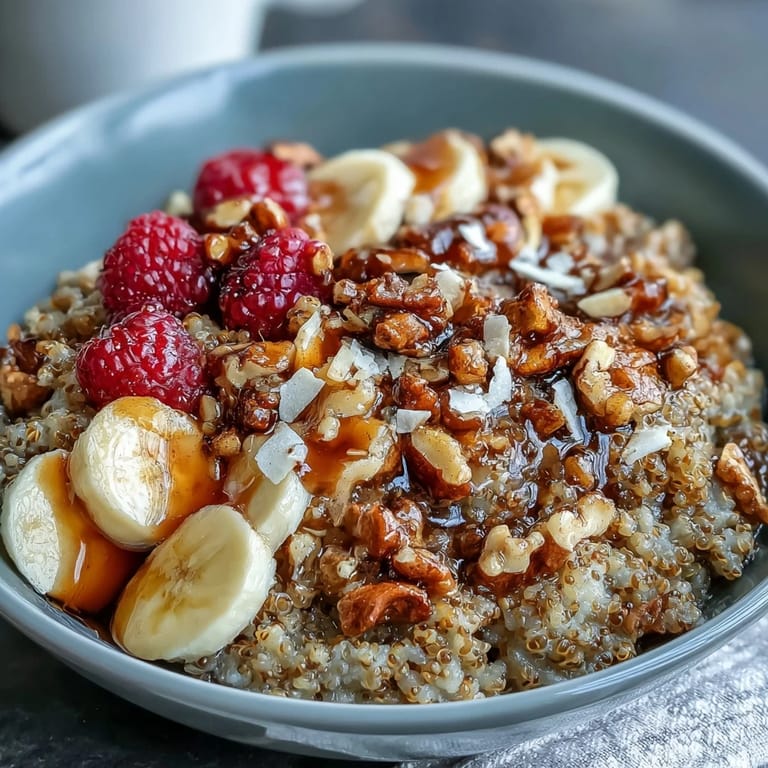
Save There was a morning when I made a huge batch of this for a small gathering, and instead of eating at the table, everyone wandered into the kitchen watching me assemble bowls like it was some kind of performance. Someone asked for extra cinnamon, someone else wanted to swap out half the walnuts for hazelnuts, and suddenly we were all tweaking our own bowls like we were building custom breakfast plates at a restaurant. It became clear that buckwheat isn't just breakfast; it's a vehicle for whatever you're craving that morning, and that flexibility is part of why I've never gotten tired of it.
Why Buckwheat Is Different From Other Grains
Buckwheat isn't actually a grain at all—it's a seed from a fruit, which is why it's naturally gluten-free and digests differently than wheat or oats. The first time I learned this, it made sense why it always felt lighter on my stomach than a bowl of oatmeal, especially when eaten regularly. It also cooks faster than most grains because there's no bran or germ to break through, so from the moment you pour the water in, you're only about fifteen minutes away from breakfast.
Building Flavor Combinations That Work
The beauty of buckwheat's subtle nuttiness is that it plays well with almost any topping combination you can imagine. I've experimented with everything from tropical fruit and coconut to spiced apples and walnuts, and the buckwheat never fights back; it just becomes a smooth backdrop for whatever story you're telling with your toppings. The key is balancing textures and temperatures—warm grain, cool or cold fruit, crunchy nuts—so that each spoonful feels deliberate and interesting.
Storage and Meal Prep Ideas
Cooked buckwheat keeps in the refrigerator for about three to four days, and reheating it is simple: add a splash of milk or water and warm it gently over low heat or in the microwave for a minute or two. I've learned that storing the buckwheat separately from the toppings keeps everything fresher and lets you customize each morning based on what fruit or nuts you have on hand. This also means you can make a double batch on Sunday and have a ready-to-go breakfast component waiting for you on Tuesday morning, which is the kind of small convenience that actually changes whether you eat breakfast or skip it.
- Refrigerate cooked buckwheat in an airtight container for up to four days, then reheat with a splash of milk.
- Keep your nuts and dried fruit in separate containers so you can mix and match different combinations throughout the week.
- If you're prepping for the week, toast your nuts fresh in a dry pan each morning rather than doing it all at once, since they stay crunchier that way.
 Save
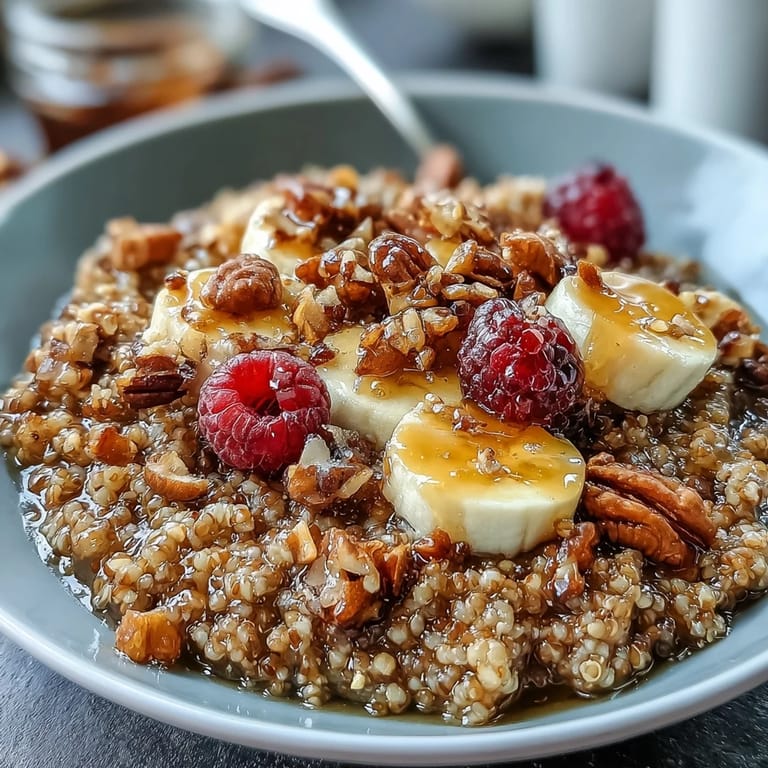
Save This breakfast has become my anchor on mornings when everything else feels chaotic, and I think that's the real magic here. It's nourishing, simple, and flexible enough to meet you wherever you are that day.
Recipe FAQs
- → Are buckwheat groats gluten-free?
Yes, despite their name, buckwheat groats are naturally gluten-free. They're actually seeds from a plant related to rhubarb, not wheat at all.
- → Do I need to soak buckwheat groats before cooking?
No soaking is required. Just rinse thoroughly under cold water and cook directly in boiling water for 10-12 minutes until tender.
- → Can I make this ahead of time?
Absolutely. Cooked buckwheat keeps well in the refrigerator for 3-4 days. Reheat with a splash of milk and add fresh toppings before serving.
- → What fruits work best as toppings?
Berries, sliced bananas, diced apples, pears, or peaches all pair beautifully with the nutty buckwheat. Use whatever is fresh and in season.
- → Can I use roasted buckwheat (kasha) instead?
Yes, kasha will work but has a stronger, toastier flavor. It may require slightly less cooking time, so check for tenderness after 8-10 minutes.
- → How can I add more protein?
Stir in Greek yogurt, top with hemp seeds or chia seeds, or serve with a side of eggs. You can also use protein-fortified plant milk.